Usuba
Usuba
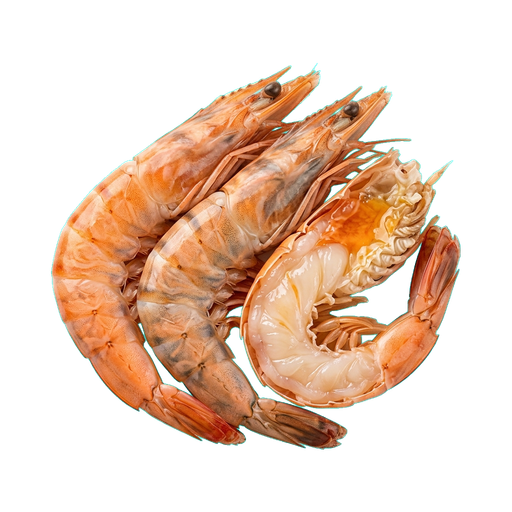
Large Shrimp with Tails
Large shrimp with tails are a premium seafood product, ideal for grilling, breading, or as a main component of appetizers and main dishes. Sweet, tender meat with a characteristic sea aroma remains juicy with proper heat treatment, and the preserved tail makes serving easier and gives the dish an impressive appearance. When selecting, pay attention to shell firmness and uniform color — these are signs of product freshness, and cooking time should not exceed 3–4 minutes to prevent the meat from becoming tough.
About
Why Large Shrimp with Tails Are the Choice of Professionals
Large shrimp with tails are not just a beautiful dish presentation, but a practical choice for the kitchen. The tail serves as a natural handle that protects your fingers from hot oil when frying and allows you to conveniently serve the shrimp to the table. The size guarantees that the meat will remain juicy and tender even with intensive heat treatment, and the preserved tail is a sign that the product has not been subjected to excessive processing.
Aroma, taste and texture
Large shrimp have a more pronounced sea aroma and sweet taste compared to their smaller counterparts. The meat is firm, but with proper cooking remains tender — neither rubbery nor mushy. This texture is ideal for contrast with a crispy crust when pan-frying or for absorbing sauces when stewing.
How to Cook: Basic Techniques
- High heat searing: 2–3 minutes per side until golden brown. The tail can be left on or removed before serving.
- Boiling in salted water: 4–5 minutes after boiling. Overcooking is harder than with small shrimp, but the risk still exists.
- Braising in sauce: shrimp absorb flavors while remaining juicy. Add towards the end of cooking to avoid overcooking.
- Grilling or barbecue: the tail protects the meat from drying out, allowing for a beautiful charred exterior.
Pairings and role in dishes
Large shrimp with tails are versatile: they decorate paella, become the star of pasta dishes, dominate Asian soups and wok dishes. They work well with lemon, garlic, ginger, hot spices, and creamy sauces. On a festive table, such shrimp look expensive and impressive, even if you cook them simply — with salt, pepper, and oil.
Selection and Storage
Look for shrimp with a firm shell, vibrant color, and a pleasant sea aroma. The tail should be intact, without dark spots or signs of drying. If buying frozen shrimp, choose those with an icy glaze without ice crystals inside the package, which is a sign of proper storage.
- Fresh shrimp: in the refrigerator for up to 2 days, in a bowl with ice.
- Frozen: in the freezer for up to 3 months in airtight packaging.
- Thaw in the refrigerator overnight or under cold running water — never use hot water.
Large shrimp with tails are an investment in taste quality and cooking convenience. They don't require complex techniques, but will reward you with tender meat and beautiful presentation. Start with a simple recipe — sauté with garlic and butter — and you'll understand why professional chefs prefer this format.
Nutrition
per 100 g
- Calories
- 95 kcal
- Protein
- 20.1 g
- Fat
- 1.7 g
- Carbs
- 0.5 g
Measures and weight
- 1 pcs
- 25 g
Measure calculator
- Weight
- 100 g
- Calories
- 95 kcal