Usuba
Usuba
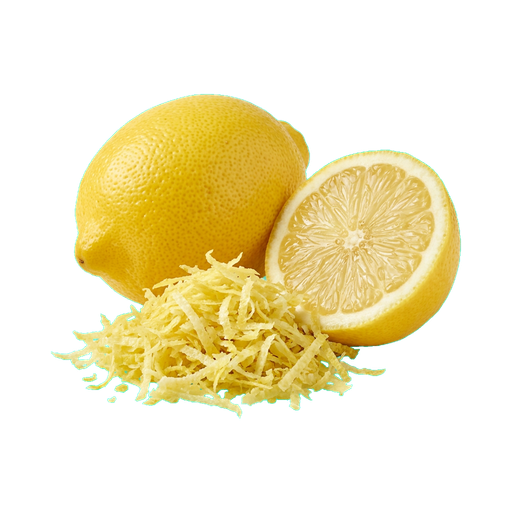
Lemon (juice and zest)
Lemon is a versatile acidic ingredient with a bright, clean taste and piercing aroma, used in both sweet and savory dishes. Freshly squeezed juice brings liveliness and depth to dishes, while the delicate yellow zest contains essential oils with an intense lemon aroma, perfectly suited for desserts, sauces, and marinades. When selecting, prefer firm lemons with smooth skin, and remove zest only from the uncolored part, avoiding the bitter white layer underneath.
About
Lemon is one of the most versatile ingredients in the kitchen. It is valued not for its sweetness, but for its ability to awaken the flavors of other products. Lemon juice adds brightness and depth, while the zest reveals an intense aroma. Together, they work as a natural flavor enhancer that doesn't need to be hidden in a dish — it becomes part of it.
Aroma and taste
Lemon juice provides acidity without bitterness — it's a pure, sharp acidity that makes your taste receptors work more actively. Fresh juice has a slight bitter aftertaste, which makes it interesting not only in sweet dishes but also in savory ones. The zest is a completely different character. The yellow upper layer of the peel contains essential oils with a bright, almost floral aroma. The white part beneath it is bitter, so when removing zest, it's important not to capture it.
Role in dishes
- Juice saves bland sauces and soups — literally a few drops change the entire perception of the dish
- Zest decorates finishing touches: sprinkle on dessert, garnish for fish, aromatic crust on bread
- In baking, lemon juice and zest create a contrasting flavor, especially combined with butter and sugar
- In marinades and dressings, lemon softens meat and makes vegetables fresher
Successful Pairings
Lemon pairs well with everything that needs support. With fish and seafood — a classic partnership, where the juice cuts through richness and highlights the taste of the sea. With herbs like parsley, basil, and mint, lemon creates a fresh, vibrant base for sauces and beverages. Zest works beautifully with chocolate, vanilla, and ginger in sweet dishes. In vegetable dishes, lemon brings asparagus, zucchini, and avocado to life. Combined with garlic and olive oil, it forms a classic trio for dressings.
Selection and Storage
Choose lemons with thin skin and noticeable weight — they contain more juice. The skin should be bright yellow, without green spots or soft dents. Gently squeeze the lemon in your hand before use — this will make the juice flow more easily. Store in the refrigerator for up to three weeks, but it's better to use fresh ones within a week. Juice can be frozen in ice cubes and kept in the freezer for several months, although fresh juice is always more aromatic.
Practical Tips
- Add lemon juice at the end of cooking — some aroma is lost when heated
- If you only need juice, cut the lemon in half and use a citrus press or a regular fork
- Lemon juice prevents browning of sliced apples, avocado, and potatoes
Lemon is not just an ingredient, it's a tool that makes a dish more expressive. Learn to feel when a dish lacks acidity or aroma, and lemon will become your faithful assistant in the kitchen.
Nutrition
per 100 ml
- Calories
- 29 kcal
- Protein
- 1.1 g
- Fat
- 0.3 g
- Carbs
- 9.3 g
Measures and weight
- 1 tbsp
- 15.5 g
- 1 tsp
- 5.2 g
- 1 cup
- 257.5 g
- 1 pcs
- 50 g
Measure calculator
- Weight
- 100 g
- Calories
- 28 kcal