Usuba
Usuba
Blue Curaçao Liqueur
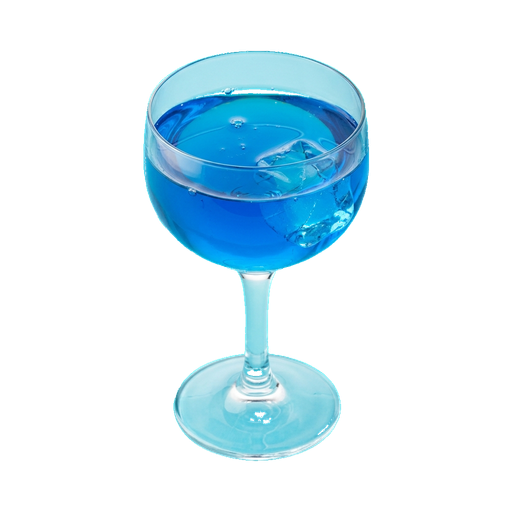
A liqueur with a vibrant blue color and orange aroma, made from orange curaçao and neutral spirit. It features a sweet taste with bitter citrus peel notes, mixes well in cocktails, and imparts a characteristic blue hue to drinks. When adding to beverages, it's important to account for its sweetness and adjust the quantity of other sugary ingredients accordingly, as well as remember that the blue dye may stain glassware and other drinks it comes into contact with.
About
What is it and why is it needed in cocktails
Blue liqueur is a strong sweet alcoholic spirit-based drink with an orange peel aroma and a characteristic bright blue color. It is used in cocktails not only for its taste but also for its visual effect: it creates a rich color that is easily recognizable in a glass. The alcohol content is usually 20–25%, the sweetness is moderate, and the aftertaste is bittersweet with orange notes.
To the taste, it's not just sweetness: you can clearly feel an orange bitterness that balances the sugar and prevents the drink from being cloying. The aroma is fresh, citrusy, with a subtle alcoholic warmth. It is this bittersweet combination that makes it a universal ingredient — it works well with strong spirits as a base, as well as with juices and creamy components.
Where and how to use it
Blue liqueur is a key ingredient in classic cocktails like Blue Lagoon and Blue Moon. It's added to tropical mixes with rum and coconut syrup, refreshing drinks with lemon juice and soda, and creamy cocktails with vodka and cream. Thanks to its transparency and vibrant color, it's ideal for layered cocktails where appearance is just as important as taste.
- With rum and coconut cream — classic tropical combination
- With vodka and lemon juice — light and refreshing option
- With tequila and orange juice — bright and energetic mix
- With cream and milk — dessert drink with smooth texture
- With soda and ice — simple and refreshing longdrink
Selection and Storage
When choosing, pay attention to the color — it should be a rich blue without cloudiness. Check that the label is clear and sealed, and the cap closes tightly. Quality liqueur has transparency and contains no sediment. The price varies depending on the manufacturer, but this is not critical for cocktail use.
Store in a cool dark place, away from direct sunlight. A sealed bottle maintains its quality for years. After opening, keep it in the refrigerator or at room temperature in a dark cabinet — the liqueur won't spoil thanks to its high alcohol content. If you don't make cocktails often, buy small bottles: the liqueur won't take up much space, and it will be enough for several evenings.
Practical Tips
Remember that blue liqueur is very sweet — start with a small amount and add gradually. For layered cocktails, use it as a finishing layer due to its density. If you want to mute the sweetness, dilute it with vodka or add more acidity through lemon juice.
The intense color of the liqueur can stain other ingredients — keep this in mind when mixing. If you're making a cocktail for the first time, it's better to first try the drink with a smaller amount of liqueur to understand how it affects the final taste and intensity.
Nutrition
per 100 ml
- Calories
- 215 kcal
- Protein
- 0.1 g
- Fat
- 0.1 g
- Carbs
- 30 g
Measures and weight
- 1 tbsp
- 16.5 g
- 1 tsp
- 5.5 g
- 1 cup
- 275 g
Measure calculator
- Weight
- 100 g
- Calories
- 195 kcal