Usuba
Usuba

Lemonade
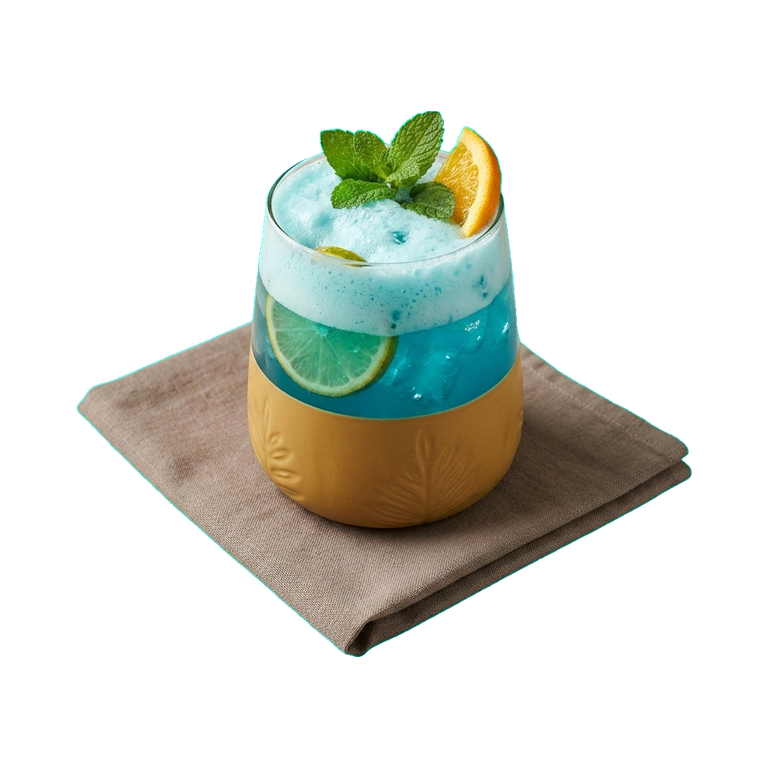
A refreshing beverage made from lemon juice, water, and sugar, which can be prepared at home or purchased ready-made in stores. Classic lemonade has a sour and sweet taste with a bright citrus aroma, and quenches thirst perfectly on hot days. When making it at home, you can adjust the concentration of ingredients, add berries, herbs, or carbonation for greater variety of flavors.
About
Lemonade is a beverage that works in several directions at once: it refreshes you in the heat, adds brightness to a simple meal, and helps diversify your menu without extra effort. If we talk about its role in the kitchen, then lemonade is not just a thirst-quenching drink, but an ingredient that changes how a dish is perceived.
Taste and Aroma
The main character of lemonade is a bright acidity that doesn't sting your tongue, but pleasantly tickles it. If the drink is homemade, fresh notes of lemon are well-heard in it, and if it's store-bought — there's usually sweetness that balances the acidity. The aroma is always recognizable: citrusy, clean, slightly herbal.
The degree of sweetness and acidity varies depending on the manufacturer or recipe. Homemade lemonade can be adjusted to your taste — some people prefer more sugar, while others prefer just lemon juice and water. Ready-made drinks are usually already balanced, although the taste may differ from brand to brand.
Where to use lemonade
Lemonade is good as a standalone drink, but it has other roles in the kitchen. It is added to desserts — in syrups for soaking sponge cakes, in jellies or mousse. The acidity of lemonade helps highlight sweetness and makes the taste more complex. In cocktails, lemonade works as a base or diluent, giving the drink freshness and lightness.
Some chefs use lemonade when preparing marinades for meat or fish — the acidity helps soften the fibers and adds an interesting flavor layer. In cold soups or side dishes, lemonade can become an unexpected but successful component.
Pairs well with
- Mint and ginger — for a more complex flavor profile
- Berries — raspberries, strawberries, blueberries add depth and color
- Light desserts — cookies, meringues, fruit tarts
- Seafood and white fish — acidity emphasizes freshness
- Spicy dishes — cools and balances the heat
How to Choose and Store
If you are buying ready-made lemonade, pay attention to the ingredients — the fewer additives, the better. Good lemonade contains water, sugar (or sweetener) and citrus juice. Check the release date and storage conditions on the packaging. Homemade lemonade is prepared quickly: fresh lemon juice, water and sugar to taste.
Store finished lemonade in the refrigerator in a tightly sealed container. If you made the drink yourself, it keeps for several days, but it's best to drink it on the first or second day — this way the flavor remains more vibrant. Frozen lemonade melts more slowly than ice cubes, so the drink doesn't get diluted by water from the ice.
Nutrition
per 100 ml
- Calories
- 40 kcal
- Protein
- 0.1 g
- Fat
- 0.1 g
- Carbs
- 10 g
Measures and weight
- 1 tbsp
- 15.6 g
- 1 tsp
- 5.2 g
- 1 cup
- 260 g
Measure calculator
- Weight
- 100 g
- Calories
- 38 kcal