Usuba
Usuba
Lingonberry
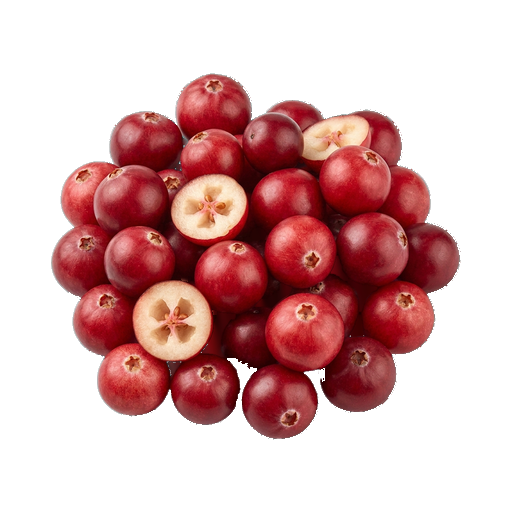
Lingonberry is a tart red berry with dense flesh and a slightly bitter aftertaste that stores well due to natural preservatives. It is used for making fruit drinks, compotes, jams, and sauces for meat and poultry, as well as added to baked goods and desserts. When selecting lingonberries, it is important to pay attention to the firmness of the berries and uniform color. If a substitute is needed, cranberry or red currant will work, though they will be more acidic.
About
Lingonberry is a small red berry that appears in late summer and autumn. Its dense flesh and slight bitterness make it special: it holds its shape well during heat treatment and doesn't fall apart in jam or sauce. In its fresh form, the berry is slightly tart, but this is not a drawback—it's a characteristic that reveals itself in cooking.
Taste and Aroma
Fresh lingonberry seems slightly tart and tangy, with a delicate sweetness. When the berry is warmed, its flavor becomes more rounded and rich — the bitterness softens, revealing a deep forest berry character. The aroma of lingonberry is subtle, not overpowering, but recognizable: slightly resinous, with herbal notes.
Where to use
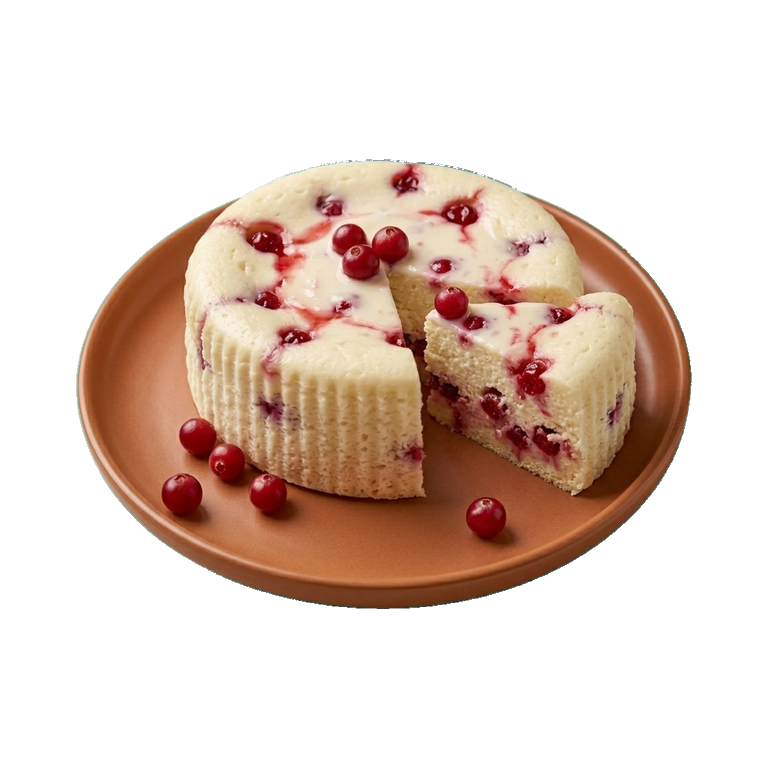
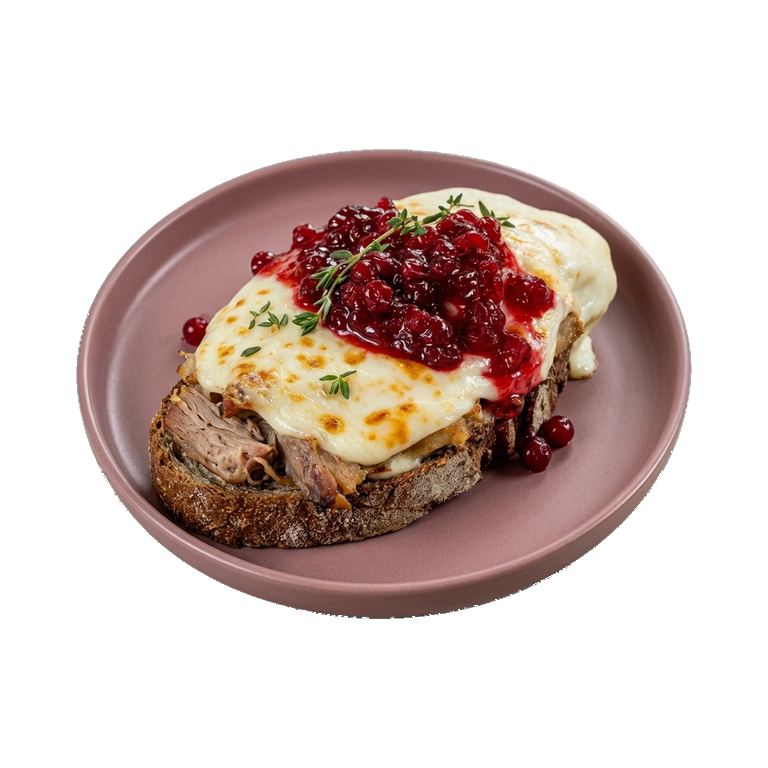
Lingonberry is versatile. It is used to make jam and compotes, as well as fruit drinks and kissel. The berry works excellently in sauces for meat — especially for game, beef, and poultry. It is added to baked goods: pies, buns, and cupcakes. Fresh lingonberries are added to cottage cheese, yogurt, and porridges. The berry is wonderful in desserts: mousses, creams, and cheesecakes. Even in salads with bitter leafy greens, lingonberry creates an interesting contrast.
- Jams and compotes — classic use, berries don't fall apart
- Sauces for meat and poultry — lingonberry enhances their richness
- Baked goods — pies, cupcakes, buns with lingonberry filling
- Desserts — mousses, creams, cheesecakes with lingonberry layer
- Beverages — lingonberry drink, kissel, tincture
Pairings
Lingonberry pairs well with other berries — blueberry, currant, and raspberry. It combines nicely with apple and pear. In savory dishes, it works with beef, venison, duck, and goose. Spices — cinnamon, clove, vanilla, ginger — enhance its forest character. With dairy products — cottage cheese, sour cream, cream cheese — it creates a pleasant contrast.
Selection and Storage
Fresh lingonberries should be firm, without bruises, with a bright red color. The berry stores well in the refrigerator for up to two weeks thanks to its density — this is its advantage over delicate berries. You can freeze lingonberries for the winter: they will retain their shape and taste. Dried lingonberries are also a good option for long-term storage. Many chefs prefer to work with frozen lingonberries, as they are more convenient to process and more stable in quality.
- In the refrigerator — up to two weeks in a container
- In the freezer — several months, maintains shape and taste
- Dried — in a cool dry place up to a year
Lingonberry is a berry for those who appreciate depth of flavor and practicality. It doesn't require complex processing, handles well in the kitchen, and always adds an interesting tartness and forest character to any dish.
Nutrition
per 100 g
- Calories
- 46 kcal
- Protein
- 0.5 g
- Fat
- 0.5 g
- Carbs
- 8.2 g
Measure calculator
- Weight
- 100 g
- Calories
- 46 kcal