Usuba
Usuba
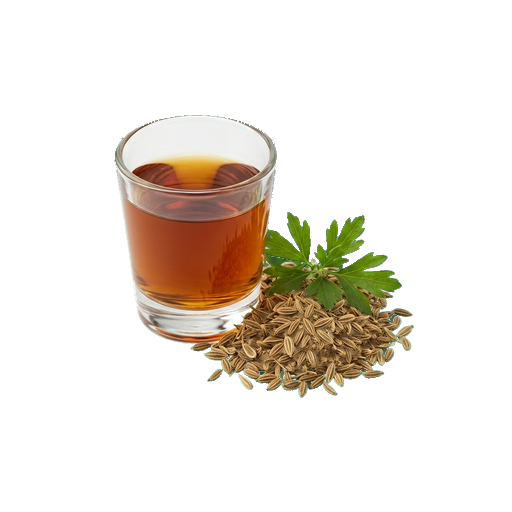
Liqueur
Liqueur is a strong alcoholic beverage with alcohol content ranging from 15 to 55% ABV, distinguished by its sweet taste and often flavored with fruits, berries, spices, or herbs. In cooking, it is used for making cocktails, desserts, sauces, and marinades, adding depth of flavor and sweet-alcoholic notes to dishes. When selecting, it is important to consider the alcohol strength and aroma intensity, as different liqueurs require different proportions in recipes — sweeter and stronger ones should be added more sparingly to avoid overpowering other flavors.
About
What is liqueur and why is it needed in the kitchen
Liqueur is a strong alcoholic beverage with a distinctly sweet taste and aroma. In cooking, it is valued not so much for its intoxicating effect, but for its ability to add depth, sweetness, and complex flavor to desserts, sauces, and beverages. The alcohol in liqueur evaporates when heated, leaving behind only the flavor and aromatic components.
Variety of flavors and aromas
Liqueurs are made from berries, fruits, nuts, herbs, coffee, chocolate, and spices. Each type brings its own character to a dish. Berry liqueurs are suitable for fruit desserts and mousses, coffee liqueurs for chocolate cakes and ice cream, herbal liqueurs for cocktail sauces and marinades.
- Berry and fruit — intense sweet taste with sourness
- Nutty — soft, oily, slightly bitter profile
- Coffee and cocoa — deep, bitter, with roasted notes
- Herbal and spicy — peppery, bitter, sometimes with minty freshness
How to use liqueur in recipes
In baking, liqueur is often added to dough or creams — it enhances aroma and makes the texture more delicate. In sauces for meat and poultry, liqueur helps create a glaze with shine and complex flavor. A few spoonfuls of liqueur in berry compote or in syrup for soaking sponge cake will transform a familiar recipe.
- Desserts and pastries — added to dough, creams, glazes and syrups
- Sauces — base for glazes for meat, poultry, fruits
- Beverages and cocktails — component or finishing touch
- Marinades — adds sweetness and aroma to pickled vegetables
Dosage and Combinations
Liqueur is a concentrated product, so it should be used sparingly. Usually, 1–3 tablespoons per serving of dessert or sauce is enough. Too much liqueur can overpower other flavors and make the dish overly sweet. Berry liqueur works well with vanilla and lemon, coffee liqueur with chocolate and cinnamon, nut liqueur with caramel and salt.
Selection and Storage
When choosing liqueur for cooking, focus on the flavor profile you need rather than the price. Cheap liqueurs often contain more sugar and synthetic flavorings, which can ruin a dish. Check the ingredients — they should contain natural ingredients.
Liqueur keeps well thanks to its high alcohol content. Store the bottle in a cool, dark place with a tight seal. After opening, liqueur will retain its properties for several months if stored properly. If you cook infrequently, choose small bottles — they are cheaper and won't take up much shelf space.
Liqueur is not just an alcoholic beverage, but an aromatic tool that helps reveal the taste of other ingredients and add a special touch to even the simplest recipe.
Nutrition
per 100 ml
- Calories
- 327 kcal
- Protein
- 0 g
- Fat
- 0 g
- Carbs
- 30 g
Measures and weight
- 1 tbsp
- 15.8 g
- 1 tsp
- 5.3 g
- 1 cup
- 262.5 g
Measure calculator
- Weight
- 100 g
- Calories
- 311 kcal