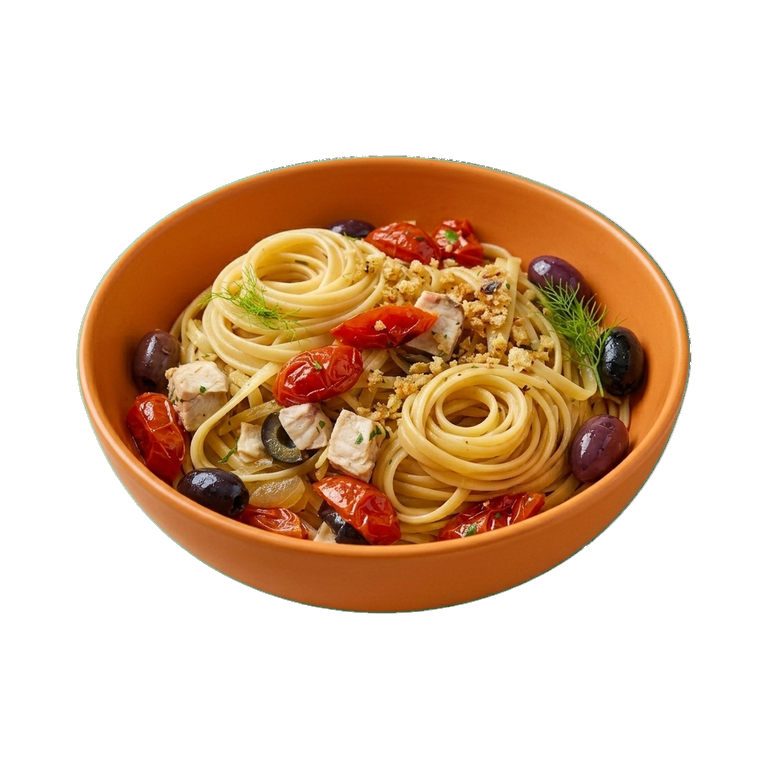
Usuba
Usuba
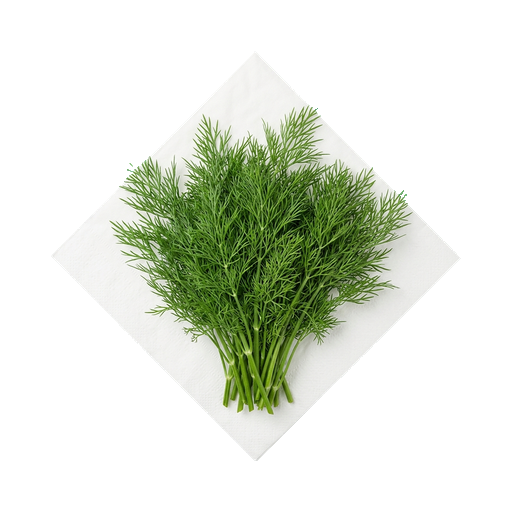
Fennel leaves
Tender fennel leaves with a subtle anise aroma and slightly sweet taste add freshness to fish dishes, soups, and salads. They can be used both fresh and dried, although fresh leaves are more aromatic and delicate. When cooking, it's best to add fennel towards the end to preserve its characteristic aroma and prevent bitterness.
About
Fennel leaves are delicate, tender sprigs with an intricate lacy structure that often go unnoticed in the kitchen. Yet they possess a subtle anise aroma and have the ability to transform a dish by adding freshness and a light spiciness. Unlike fennel seeds, leaves work more gently and don't overpower other flavors — instead, they complement and enhance them.
Aroma and taste
Fennel leaves smell of anise, but much more delicate than the seeds themselves. They have herbal freshness with a slightly sweet note. To the taste, they are not sharp, but rather refreshing, with a barely noticeable bitterness at the end. Young leaves are softer and more aromatic than old ones, so when choosing, pay attention to the color — bright green indicates freshness.
Role in dishes
Fennel leaves work as a finishing touch — add them at the end of cooking to preserve the aroma. They are perfect for fish dishes: place a few sprigs on the fillet before baking or scatter over the finished dish. With seafood, the leaves create a harmonious pairing without overpowering the natural flavor.
Practical combinations
- Fish and seafood — a classic direction. Fennel leaves enhance freshness and slightly mask the fishy smell.
- Vegetable side dishes — especially with carrots, beets, and potatoes. Leaves add lightness to heavy side dishes.
- Soups and broths — place a sprig directly in the pot during cooking, remove before serving or leave for garnish.
- Salads — young leaves are sliced thinly and added at the last moment for freshness and crispy texture.
- Sauces and oils — fennel leaves can be infused in olive oil to create a fragrant sauce for fish.
Selection and Storage
Choose leaves that are bright green in color without yellowing or brown spots. They should be firm and break with a light crunch. If the leaves are wilted and darkened — they have already lost most of their aroma. Fresh leaves are stored in the refrigerator in a container or wrapped in damp cloth for no more than a week. You can also freeze leaves in ice cubes with oil — convenient for quick use.
Culinary Lifehacks
- Don't boil the leaves for too long — they quickly lose their aroma. Add them at the end of cooking or use as a garnish.
- If the leaves are too thin and crumble, cut them with scissors instead of a knife — this will preserve more aroma.
- Try making fennel butter: finely chop the leaves, mix with soft butter and salt. An excellent addition to hot fish.
- The leaves work well with lemon, white wine, and cream sauce — this trio creates the perfect base for fish dishes.
Nutrition
per 100 g
- Calories
- 31 kcal
- Protein
- 1.2 g
- Fat
- 0.2 g
- Carbs
- 7.3 g
Measures and weight
- 1 tbsp
- 3 g
- 1 tsp
- 1 g
- 1 cup
- 50 g
- 1 bunch
- 50 g
Measure calculator
- Weight
- 100 g
- Calories
- 31 kcal