Usuba
Usuba
Raspberry vinegar
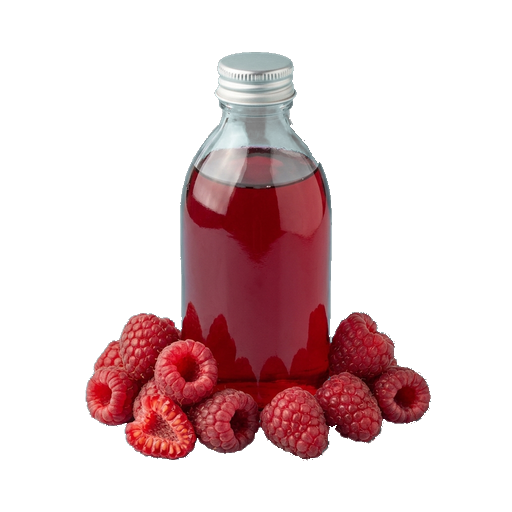
Raspberry vinegar is an acidic product with a delicate berry aroma and a slightly sweet raspberry flavor. It is used for dressing salads, marinades, sauces, and desserts where a mild acidity is needed without the sharpness of regular vinegar. When choosing, pay attention to the acetic acid content — usually 4–6% — and the presence of natural ingredients without artificial flavorings.
About
Raspberry vinegar is not just an acidic liquid, but a full-fledged ingredient that adds fruity depth and pleasant tartness to dishes. It is made from raspberry juice or wine, so it retains a characteristic berry aroma and mild flavor. Unlike regular table vinegar, raspberry vinegar works not aggressively, but rather as a delicate accent that enhances without dominating.
Aroma and flavor
Raspberry vinegar smells of fresh berries with a subtle tartness — it's immediately recognizable and pleasant. To the taste, it's sour but not sharp, with berry notes that linger after swallowing. The acidity is usually milder than wine vinegar, making it easier to portion, even if you're not an experienced cook.
Where to use it
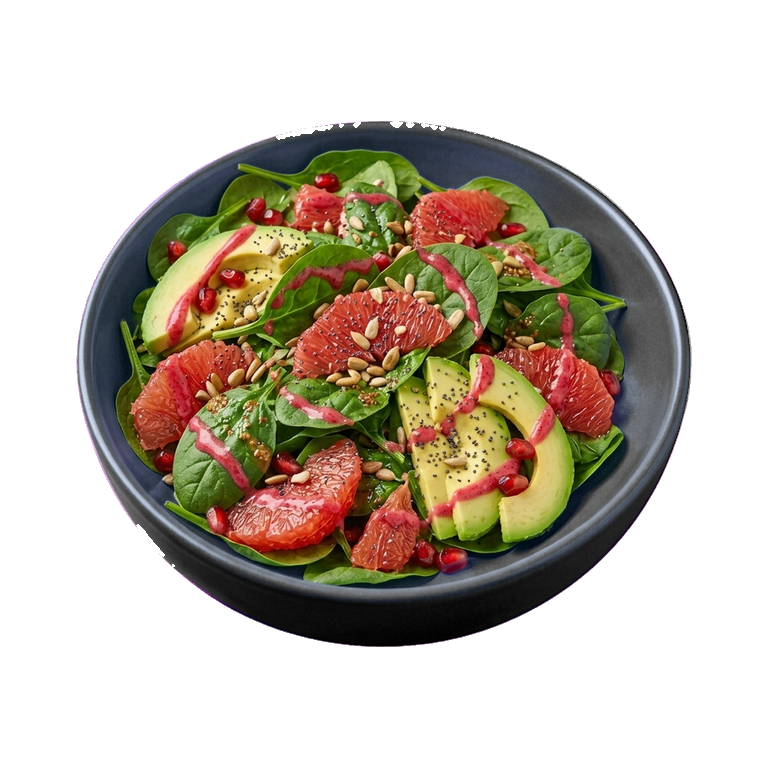
- Salad dressings — especially for mixes with delicate greens, duck breast or goat cheese
- Marinades for meat and poultry — raspberry acid gently tenderizes fibers without drying them out
- Glazes for fried and baked dishes — with honey or sugar creates a beautiful shine and berry flavor
- Sauces for game and red meat — a classic combination that always works
- Beverages and cocktails — adds a fruity note and interesting acidity
- Preserving — helps preserve vegetables and berries, adding a subtle flavor
What pairs well with
Raspberry vinegar pairs well with mustard, honey, and olive oil — together they create a balanced dressing. It complements black pepper, thyme, and rosemary, enhancing their spiciness. With hot spices (such as cayenne pepper), it creates an interesting contrast of sweetness and heat. Works wonderfully with goat cheese, walnuts, and fresh raspberries.
Selection and Storage
Pay attention to acidity — it usually ranges from 4 to 6%. If you prefer a more delicate taste, choose one with lower acidity. Check that the composition contains no unnecessary additives or preservatives. Good raspberry vinegar should be transparent or slightly cloudy, but should not contain sediment at the bottom.
Store raspberry vinegar in a cool, dark place — away from direct sunlight. A tightly sealed bottle will preserve its freshness and aroma for months, even years. If you notice the vinegar has become cloudy or has an unusual smell, it's better not to use it.
Start with a small amount when adding to a dish — raspberry vinegar is easier to adjust than to overdo. A few teaspoons are often enough to transform the flavor of a salad or sauce.
Nutrition
per 100 ml
- Calories
- 20 kcal
- Protein
- 0.1 g
- Fat
- 0.1 g
- Carbs
- 4 g
Measures and weight
- 1 tbsp
- 15.2 g
- 1 tsp
- 5 g
- 1 cup
- 252.5 g
Measure calculator
- Weight
- 100 g
- Calories
- 20 kcal