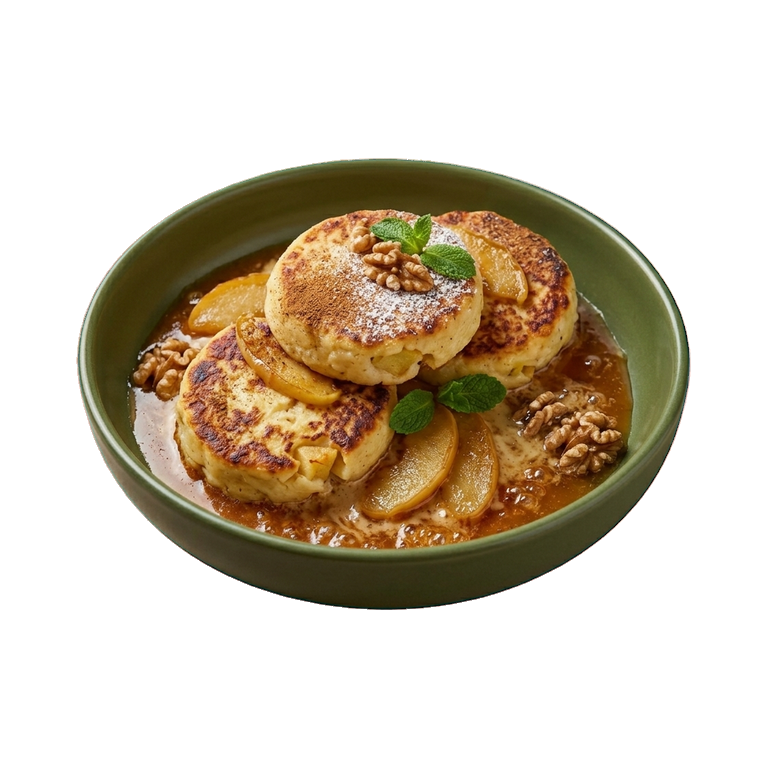
Usuba
Usuba
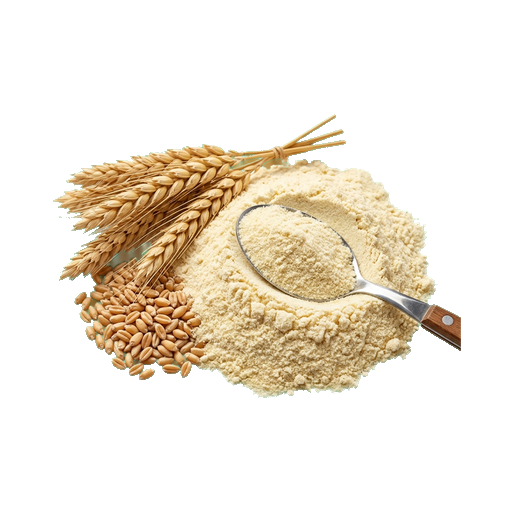
Semolina
Semolina is a medium-grain cereal obtained from wheat grains, distinguished by its delicate consistency and quick liquid absorption. Thanks to this property, it is ideal for preparing porridges, casseroles, sweet puddings, and is used as a thickener in sauces and creams. When selecting, pay attention to the color — quality semolina has a creamy or light yellow tint, and when cooking it is important to stir constantly to avoid lumps.
About
Semolina flour, ground into flour, is one of the most versatile thickeners in the kitchen. Its grains are so fine that when they come into contact with liquid, they immediately absorb moisture and create a smooth, uniform consistency. This makes semolina flour indispensable in sweet and savory dishes where a creamy texture without lumps is needed.
Taste and Role in Dishes
Semolina flour is practically neutral in taste — this is its main advantage. It does not overpower the natural aroma of ingredients, but only enhances it. When you prepare a milk sauce, cake cream, or pudding, semolina flour integrates into the structure without adding unnecessary notes. When heated, it swells and creates a soft, velvety texture that is especially valued in baby food and classic European desserts.
- Thickener for milk porridges and puddings
- Base for soufflés and mousses
- Component for tender pancakes and fritters
- Binding agent in cutlets and meatballs
- Additive in sauces and gravies
How to use it
Main rule: add semolina flour to cold or room temperature liquid, stir until smooth, and then heat. If you throw it directly into hot liquid, lumps will form that you won't be able to get rid of. For 200 ml of liquid, 1–2 tablespoons is usually enough — it all depends on the desired thickness. Cook over medium heat, stirring constantly, until the mixture thickens and stops sticking to the sides of the pot.
- For liquid porridge: 1 tablespoon per 200 ml of milk
- For medium consistency: 1.5 tablespoons per 200 ml
- For dense pudding: 2–3 tablespoons per 200 ml
Selection and Storage
Semolina flour should be white or slightly creamy, without lumps and foreign odors. Store it in an airtight container or glass jar in a dry place away from sunlight — this way it will retain its properties for up to six months. If you notice a musty smell or signs of moisture, it's better not to risk it and replace the package. Quality semolina flour should never cake or change color.
Pairings and Tips
Semolina flour works well with milk, cream, eggs, and butter — classic components of delicate desserts. It can be combined with vanilla, cinnamon, cocoa, and citrus zest. In savory dishes, it pairs well with broths, butter, and herbs. Tip: if you're making soup or sauce and want to avoid lumps, dissolve semolina flour in cold broth separately, then slowly pour it into the hot liquid, stirring constantly.
- With milk and sugar — for porridges and creams
- With eggs and butter — for soufflés and casseroles
- With meat broth — for sauces for main courses
- With fruit purées — for mousses and jellies
Semolina flour is not an exotic ingredient, but a reliable tool in the kitchen. It is valued for its predictability: it always works the same way, doesn't add unwanted flavors, and helps achieve the perfect texture. If you haven't tried cooking with it yet, start with simple milk porridge or a delicate sauce — and you'll understand why this flour has remained fashionable for many decades.
Nutrition
per 100 g
- Calories
- 328 kcal
- Protein
- 10.3 g
- Fat
- 1 g
- Carbs
- 67 g
Measures and weight
- 1 tbsp
- 10.5 g
- 1 tsp
- 3.5 g
- 1 cup
- 175 g
Measure calculator
- Weight
- 100 g
- Calories
- 328 kcal