Usuba
Usuba
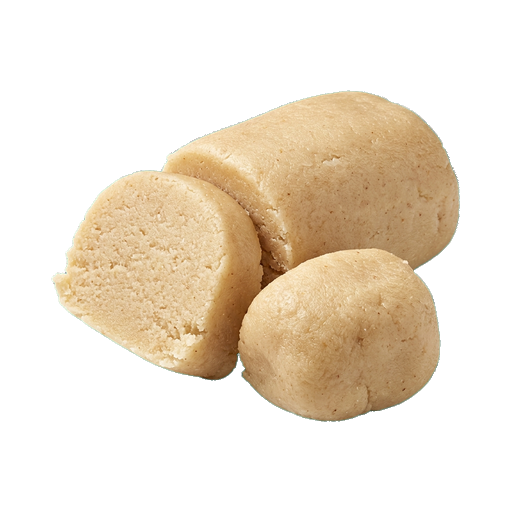
Marzipan
Marzipan is a sweet paste made from ground almonds and sugar with a characteristic soft nutty flavor and delicate aroma. It is used as a filling for candies and pastries, as a base for molding figurines and decorations, and as a standalone confection. When choosing marzipan, it is important to pay attention to the almond content — the higher it is, the richer the taste and the more delicate the consistency. Marzipan should be stored in a cool place, as it is sensitive to moisture and can either harden or, conversely, become soft.
About
Marzipan is a paste made from ground almonds and sugar that has become one of the most versatile ingredients in confectionery. Its delicate, slightly oily consistency and subtle nutty flavor make it perfect both as a standalone treat and for creating fillings, coatings, and decorations. Working with marzipan is simple: it is plastic, easily molded, and holds its shape well.
Taste and Aroma
The key to marzipan is its pure almond flavor, unencumbered by anything unnecessary. Good marzipan should smell of fresh ground almonds, without bitterness or a moldy undertone. The sweetness is balanced by a nutty, buttery quality, which creates a pleasant sensation in the mouth. If marzipan smells musty or has a rancid aftertaste, this is a sign of improper storage or expiration.
How to use in the kitchen
Marzipan works in three main directions. First — it is a filling for cookies, candies, and pastries, where its tenderness contrasts with the crispy or soft texture of the base. Second — a coating for cakes instead of or under fondant: rolled marzipan creates a smooth surface and adds depth of flavor. Third — modeling: marzipan is easily formed into figurines, roses, fruits, and other decorations.
Successful Pairings
- Dark chocolate — a classic combination where the bitterness of chocolate complements the sweetness of marzipan
- Fruits (apricot, orange, raspberry) — fresh acidity balances the buttery richness
- Spices (cardamom, cinnamon, clove) — add piquancy without overpowering the nutty flavor
- Vanilla and rose water — enhance the aroma and delicacy
- Cognac or liqueur — create depth and complexity in taste
Selection and Storage
When purchasing, pay attention to the color: quality marzipan has a light cream or beige shade. If the paste is too white, it means starch or other fillers have been added to it. Check the expiration date — marzipan is not stored for long due to its oil content. The package should indicate the percentage of almonds: the higher it is, the better.
At home, marzipan should be stored in an airtight container in a cool, dry place, preferably in the refrigerator. Moisture and heat are enemies of marzipan: moisture causes it to soften and develop mold, while heat causes the oil to oxidize. Rolled or shaped marzipan is best used within a few days. If you plan to store it longer, freeze it in an airtight container — at minus 18 degrees, marzipan keeps for several months.
Practical Tips
- Warm up the marzipan slightly in your hands before working with it to make it more pliable
- Roll it out between parchment paper to prevent it from sticking to the table and rolling pin
- If the marzipan crumbles, add a drop of syrup or honey and knead it well
- Color the marzipan with food coloring before rolling it out so the color distributes evenly
- For a thin layer under fondant, use marzipan as a base — it prevents moisture from seeping from the cream into the fondant
Marzipan is not just an ingredient, but an opportunity to add almond delicacy and a professional look to your dessert. Even a small amount of marzipan in the filling or a thin layer under the glaze noticeably improves the taste and texture of the finished dish. The main thing is to choose and store it correctly, and then marzipan will be your faithful helper in the confectionery kitchen.
Nutrition
per 100 g
- Calories
- 480 kcal
- Protein
- 10 g
- Fat
- 25 g
- Carbs
- 50 g
Measure calculator
- Weight
- 100 g
- Calories
- 480 kcal