Usuba
Usuba
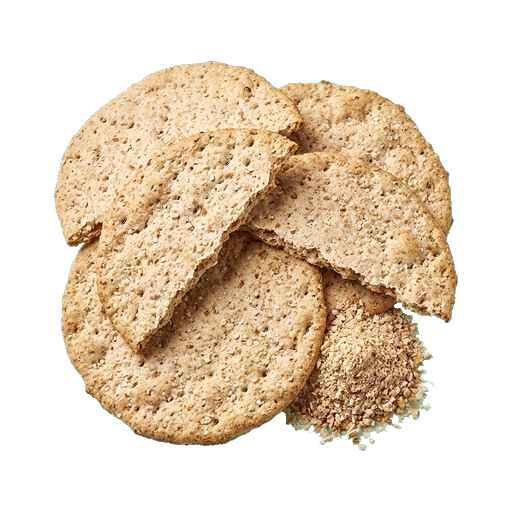
Matzo, coarse ground
Coarse-ground matzo is an unleavened bread made from coarse-ground wheat flour, produced without yeast or starter culture. The flour grains are larger than in regular matzo, which gives the bread a more crumbly structure and noticeable texture. Used in traditional cuisine as a substitute for regular bread, suitable for making crumbs for soups, casseroles, and other dishes requiring unleavened bread with a more pronounced graininess.
About
Coarse matzo flour is not just a flour base, but a special baking material that works quite differently than regular wheat flour. Large particles provide structure to dishes, absorb moisture more slowly, and create a looser, more porous texture. If you're used to fine flour, switching to coarse grinding will require some adjustments to your recipes — but the result is worth it.
Texture and behavior in dough
Coarse flour feels like sand under your fingers — this is the main difference from finely ground flour. This structure affects liquid absorption: the dough will absorb it more slowly, so add liquid gradually when mixing. Baked goods turn out airier with good porosity, especially if you add baking powder or whipped eggs.
Where to use it
- Cookies and gingerbread — coarse grinding produces a crispy, crumbly texture
- Pancakes and fritters — batter becomes fluffier and lighter
- Cupcakes and muffins — works well for moist batter with fruits
- Breading — large particles create an interesting crispy crust
- Baking topping — gives a beautiful, noticeable effect on the surface
How to Adapt Recipes
If you're adapting a recipe from all-purpose flour to coarse matzah meal, keep in mind that you may need 10–15% less liquid, as absorption will be slower. Start with a smaller amount and add as needed. Baking time may change slightly — watch for doneness by appearance and the toothpick test.
Taste and Aroma
Coarse matzah meal has a neutral, slightly nutty flavor with barely noticeable sweetness. It doesn't overpower other ingredients, so it works well with both spices and berries, cottage cheese, or chocolate. The aroma when baking is delicate, not sharp.
Selection and Storage
- Packaging should be airtight and protect from moisture
- Store in a cool, dry place — matzah absorbs moisture from the air
- Check the packaging date: fresh matzah works better
- If matzah has become stale or smells off, it's better not to use it
- Transfer opened packaging into a glass jar with a tight-fitting lid
Coarsely ground matzo requires a bit more attention than regular flour, but this is not a difficulty — it's an opportunity to get baked goods with a special texture and better porosity.
Nutrition
per 100 g
- Calories
- 340 kcal
- Protein
- 11 g
- Fat
- 1.5 g
- Carbs
- 70 g
Measures and weight
- 1 tbsp
- 6 g
- 1 tsp
- 2 g
- 1 cup
- 100 g
Measure calculator
- Weight
- 100 g
- Calories
- 340 kcal