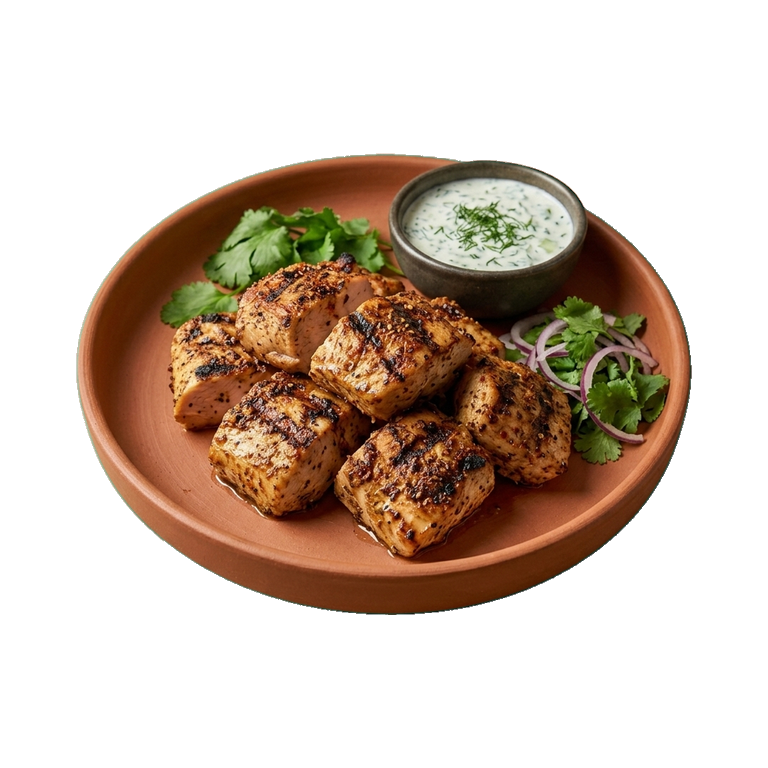
Usuba
Usuba
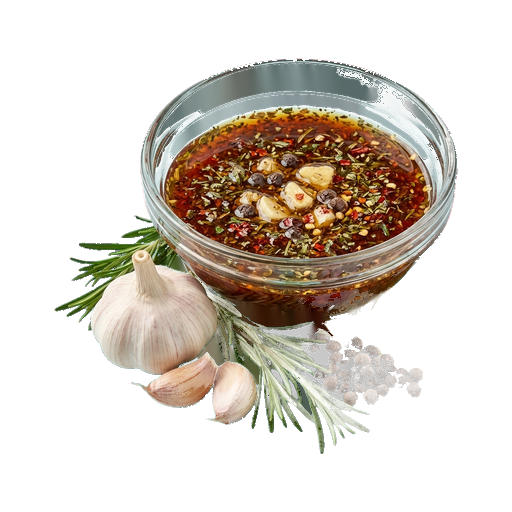
Meat Marinade
Meat marinade is a liquid mixture of acid, oil, and spices that softens meat fibers and infuses them with flavor over several hours or days. The acidic component (vinegar, lemon juice, fermented dairy products) loosens the protein structure, while oil helps retain moisture during frying. The effectiveness of a marinade depends on marinating time, meat type, and the correct ratio of ingredients — an overly acidic marinade can make the meat's surface mushy, so tender cuts need only 2–4 hours, while tougher meat can be left overnight.
About
A marinade is not just a soaking liquid. It is a tool that transforms ordinary meat into a juicy, aromatic dish with deep flavor. A good marinade penetrates the fibers, softens them, adds moisture, and creates a flavor layer that cannot be achieved any other way.
What is the marinade made of
Any marinade works on one principle: acid softens the meat, oil adds juiciness, spices and seasonings give flavor. The acid can be in the form of vinegar, lemon juice, yogurt, or wine — each brings its own character. Oil retains moisture and helps spices stick to the surface. Garlic, ginger, herbs, pepper — the choice depends on what result you want to achieve.
- Acid (vinegar, citrus juice, fermented dairy products)
- Vegetable oil
- Aromatic components (garlic, ginger, onion)
- Spices and herbs (black pepper, paprika, thyme, rosemary)
- Salt and sugar for flavor balance
How to use marinade correctly
The marinating time depends on the size of the piece and the type of meat. Thin slices are enough to soak for 30 minutes, while large pieces need several hours or even overnight. Marinating for too long can make the meat mushy and unpleasant in texture, so don't overcomplicate it.
The meat should be completely submerged in the marinade — use a deep container or a resealable bag. If marinating at room temperature, the process goes faster, but in the refrigerator the meat will stay fresh longer. Before cooking, let the meat drain and dry slightly — this way it will cook better and form an appetizing crust.
Marinades for different types of meat
Beef pairs well with rich marinades featuring red wine, mustard, and herbs. Pork absorbs honey and fruit notes beautifully — a marinade with orange or pineapple will make it more tender. Chicken is versatile but particularly benefits from marinades with lemon, garlic, and olive oil. Lamb is best marinated in spicy mixtures with cumin and coriander.
Practical Tips
- Don't forget about salt in the marinade — it helps meat retain moisture
- If the marinade is very acidic, add sugar for balance
- You can save some marinade for sauce — boil it before using
- Marinated meat cooks faster than usual, so keep an eye on cooking time
- Experiment with proportions — your preferences matter more than any recipe
A marinade is an opportunity to give meat your personal touch. The basic components remain the same, but combinations of spices, acid, and oil allow you to create completely different dishes from a single piece of meat. Try several options, find your favorite combinations, and cook with pleasure.
Nutrition
per 100 ml
- Calories
- 150 kcal
- Protein
- 1 g
- Fat
- 10 g
- Carbs
- 12 g
Measures and weight
- 1 tbsp
- 15.8 g
- 1 tsp
- 5.3 g
- 1 cup
- 262.5 g
Measure calculator
- Weight
- 100 g
- Calories
- 143 kcal