Usuba
Usuba
Meat Products
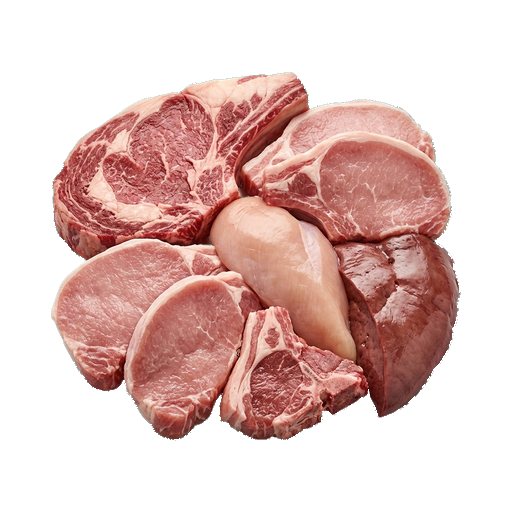
Meat products are a primary source of protein and iron in cooking, including beef, pork, lamb, poultry, and offal. Each type of meat has its own flavor profile and texture: beef has a rich taste and is suitable for stewing and frying, pork is more tender and versatile, lamb has a characteristic aroma, and poultry is considered dietary and cooks quickly. When selecting meat, it is important to pay attention to color, smell, and marbling, as well as to consider the cooking method — different cuts and degrees of processing are suitable for different dishes.
About
Meat products are the foundation of the protein component in the kitchen. They are not just a source of nutrients, but a full-fledged ingredient that determines the character of a dish, its texture, and flavor intensity. The choice of meat determines whether you'll end up with a tender steak or a rich broth, a crispy sausage crust or a juicy pie filling.
Types of Meat and Their Characteristics
- Beef — a versatile meat with pronounced flavor. Red meat is suitable for steaks, stews, ground meat, and broths. Fattier cuts produce rich broth, while lean cuts are ideal for quick searing.
- Pork — softer and more tender than beef, with a delicate flavor. Good for boiled dishes, baked cuts, and ground meat. Fatty cuts (ribs, brisket) become tender with long cooking.
- Poultry — a dietary option with a light flavor. Chicken cooks quickly and absorbs sauces well. Darker meat from legs and thighs is juicier than white breast fillet.
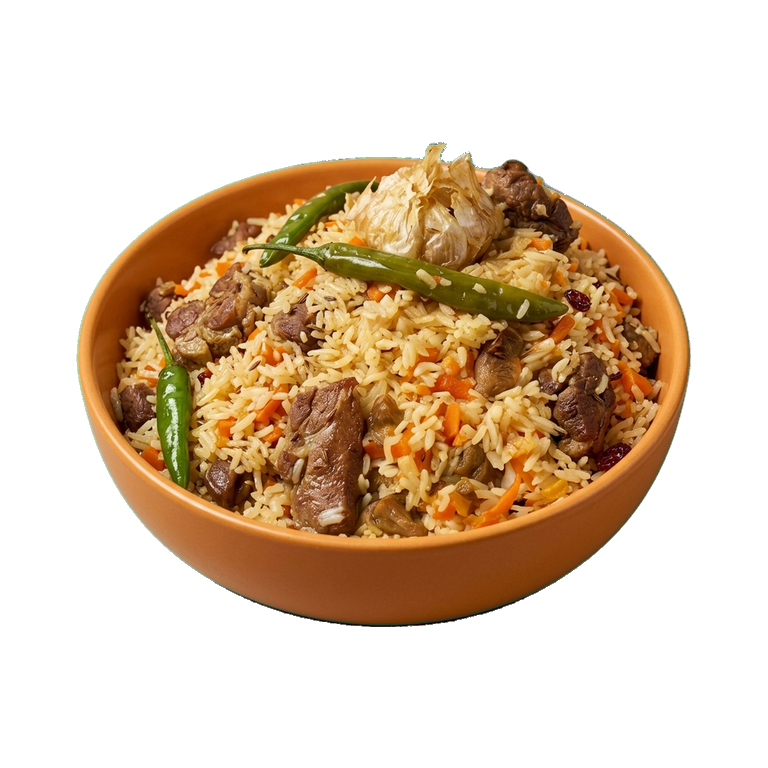
- Lamb — intense, characteristic flavor that requires bold spices. Works well in stews, pilafs, and spicy dishes. Young lamb is more tender, while mature lamb has a more pronounced flavor.
How to choose and use
When purchasing, pay attention to the color of the meat — it should be bright and uniform, without gray spots. The surface should be slightly moist, but not sticky. The smell should be fresh, meaty, without sour or foreign notes. Marbling (thin layers of fat) indicates that the meat will be juicy and delicious.
- For steaks and quick frying, choose thin cuts from tender parts — tenderloin, ribeye, filet.
- For stews and braising, tough cuts with fat are suitable — shoulder, brisket, shank. They become tender with long cooking.
- For broth, use bones with meat and fat remnants — they give a rich, hearty flavor.
- For ground meat, any meat works, but mixing different types gives a more interesting taste and texture.
Storage and preparation
Fresh meat is stored in the refrigerator for no more than 3–4 days in the coldest part. If you need to store it longer, freeze it. Before cooking, let the meat thaw in the refrigerator — this will preserve its moisture and flavor. Remove the meat from the refrigerator 15–20 minutes before cooking: room temperature will ensure even heating and a better crust when frying.
- Pat the meat dry with paper towels before cooking — moisture will prevent a crispy crust from forming.
- Salt the meat immediately before cooking or an hour before — intermediate timing draws out moisture.
- Let the cooked meat rest for 5–10 minutes before serving — this allows the juices to distribute evenly and keeps the meat juicy.
Pairings and Seasonings
Each type of meat reveals itself differently depending on the seasonings. Beef works well with black pepper, rosemary, and hot sauces. Pork pairs with apple, mustard, and herbs. Poultry is neutral and easily absorbs the flavors of lemon, garlic, and spices. Lamb requires bold partners — cumin, coriander, and hot pepper.
- Meat + acid (lemon, vinegar, wine) — softens fibers and adds freshness.
- Meat + fat (butter, cream, cheese) — enriches flavor and creates a creamy texture.
- Meat + umami (soy sauce, anchovies, tomatoes) — enhances meat flavor and depth.
- Meat + vegetables (onion, carrot, celery) — create an aromatic base and balance.
The quality of meat determines the success of a dish. Choose fresh meat, cook it properly, and don't be afraid to experiment with seasonings — meat is versatile and forgiving.
Measure calculator
- Weight
- 100 g