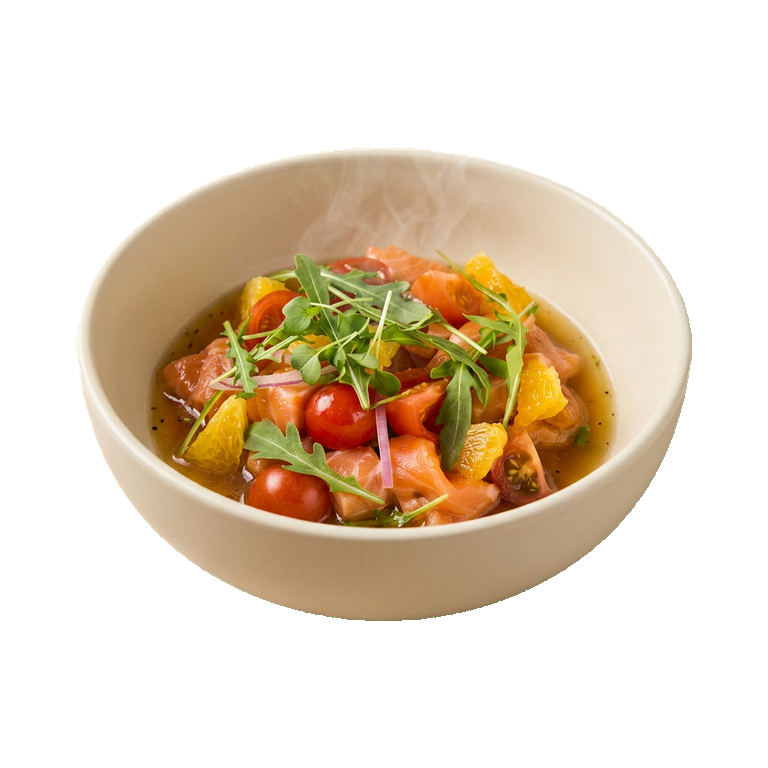
Usuba
Usuba
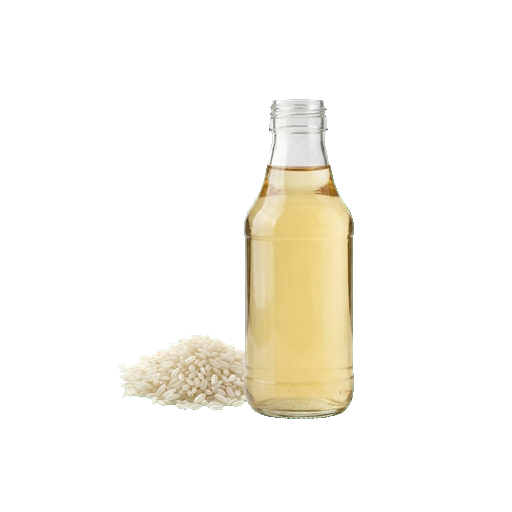
Mizukan Sauce
Japanese rice vinegar with a mild, slightly sweet flavor and low acidity, used as a base for dressings and marinades in Asian cuisine. Thanks to its delicate taste, it works well with sushi, salads, and seafood dishes without overpowering the natural aromas of ingredients. When choosing a substitute, keep in mind that regular white vinegar is more acidic, so it should be diluted with water or have sugar added to balance the flavor.
About
Mitsukan is a Japanese rice vinegar that became the foundation for an entire family of sauces. When people talk about "mitsukan sauce," they usually mean a ready-made condiment based on this vinegar with added salt, sugar, and spices. It's not just a sour liquid, but a balanced seasoning that gives dishes depth and brightness without the aggressiveness of regular vinegar.
Taste and Aroma
The main feature of mitsukan is its soft acidity with barely noticeable sweetness. The vinegar doesn't bite your tongue here; rather, it delicately opens up other flavors in the dish. The aroma is pleasant, somewhat fruity, with a subtle herbal note. It's not an aggressive seasoning that overpowers everything around it, but rather a helper that works in the background and makes food more interesting.
Where and how to use
- Sushi and rolls — mitsukan is part of the rice, creating a characteristic taste
- Marinades for fish and seafood — mild acidity doesn't dry out the product
- Salads and vegetable side dishes — dressing or sauce component
- Okonomiyaki and takoyaki — traditional addition to Japanese dishes
- Sauces for meat — adds acidity and depth without sharpness
- Pickled vegetables and ginger — base for homemade preserves
Combinations with other ingredients
Mitsukan works well with soy sauce — together they create a classic Japanese base for marinades and sauces. Combined with mirin (sweet rice wine), it forms a harmonious pair: acidity and sweetness balance each other out. It pairs excellently with ginger, garlic, wasabi, and sea kelp. If you add mitsukan to a butter sauce, you'll get an interesting contrast between Eastern acidity and European creaminess.
Selection and Storage
When choosing, pay attention to the composition — good mitsukan contains only rice, salt, sugar, and spices, without unnecessary additives and preservatives. The color should be light brown or amber. If you see cloudiness or sediment — this is normal, it indicates the naturalness of the product. Mitsukan is stored in a dark cool place, in a closed bottle, for years. After opening, keep it in the refrigerator — the shelf life will be significantly extended.
Start with small amounts when using for the first time. Mirin is easier to control than regular vinegar, but its taste can be unexpected if you are used to European seasonings. Add gradually and taste as you go.
Nutrition
per 100 ml
- Calories
- 55 kcal
- Protein
- 4.5 g
- Fat
- 0.1 g
- Carbs
- 10.5 g
Measures and weight
- 1 tbsp
- 15.8 g
- 1 tsp
- 5.3 g
- 1 cup
- 262.5 g
Measure calculator
- Weight
- 100 g
- Calories
- 52 kcal