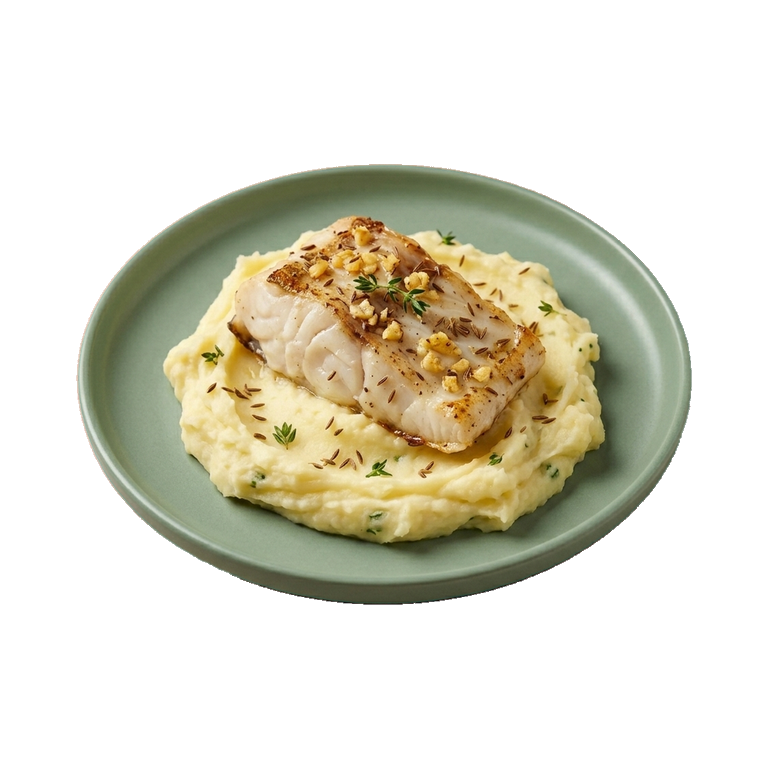
Usuba
Usuba
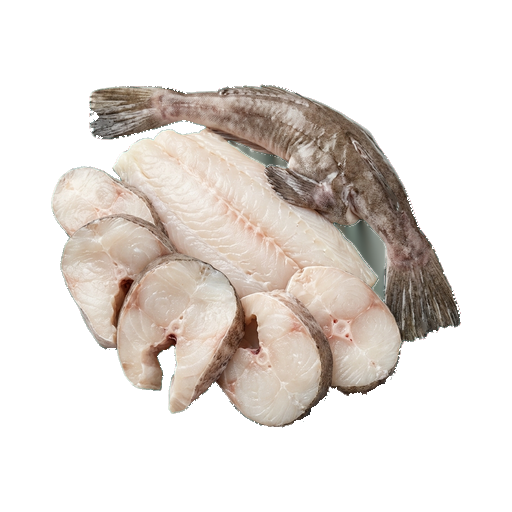
Monkfish
Monkfish is a large bottom-dwelling fish with dense white meat and a tender structure that contains practically no bones. The meat has a slightly sweet flavor and firm consistency reminiscent of lobster meat, which is why it is often called "sea lobster". The fish is versatile in cooking: suitable for frying, boiling, stewing and grilling, it holds its shape well during heat treatment and easily absorbs the flavors of sauces and seasonings.
About
Monkfish is a fish that looks frightening, but cooks beautifully. Its huge head and toothy mouth may scare you, but beneath this formidable exterior lies tender, slightly sweet meat without small bones. This is precisely why professional chefs value it more than beautiful fish from a supermarket counter.
Taste and texture
Monkfish meat is firm yet tender — it doesn't fall apart during cooking and holds its shape well. The taste is slightly sweet, with a delicate seafood aroma and without a strong fishy smell. The texture resembles lobster or shrimp meat, which makes this fish a versatile ingredient for various cooking techniques.
Role in Dishes
- Steaks and fillets — cut into thick pieces and cooked on a grill or pan with minimal seasoning
- Soups and broths — head and trimmings create a rich, clean broth without bitterness
- Pasta and risotto — meat is added at the end so it doesn't overcook and retains its sweetness
- Cutlets and meatballs — monkfish mince holds its shape and turns out juicy
- Baked whole — large specimens are cooked in the oven with vegetables and herbs
What works well nearby
Monkfish doesn't require complex sauces — it's good with simple combinations. Lemon and butter highlight its sweetness, white wine helps during braising, garlic and parsley don't overpower its delicate flavor. Spices like saffron or fennel add intrigue, but use them carefully. It pairs well with tomatoes, olives, capers — anything that isn't too aggressive.
Selection and Storage
When purchasing, pay attention to the smell — it should be fresh, oceanic, without ammonia notes. The meat is firm and does not stick to your fingers. If you are buying a whole fish, the eyes should be clear and the gills bright red. Fillets are stored in the refrigerator for no more than two days; a whole fish can be kept a bit longer. It freezes well — it maintains quality in the freezer for up to three months.
Practical kitchen tips
- Do not overcook — meat cooks quickly, 8–12 minutes is usually enough
- Salt at the end of cooking so the meat doesn't lose moisture
- The skin can be left on or removed — it's edible and crispy if handled properly
- Don't throw away the head — it's perfect for broth and provides plenty of collagen
- Thaw slowly in the refrigerator, not at room temperature
Monkfish is a fish for those who value quality over appearance. Its meat forgives the mistakes of beginner cooks and delights experienced ones. Try it at least once — and you'll understand why it's so beloved in restaurants.
Nutrition
per 100 g
- Calories
- 92 kcal
- Protein
- 18.8 g
- Fat
- 1.9 g
- Carbs
- 0 g
Measure calculator
- Weight
- 100 g
- Calories
- 92 kcal