Usuba
Usuba
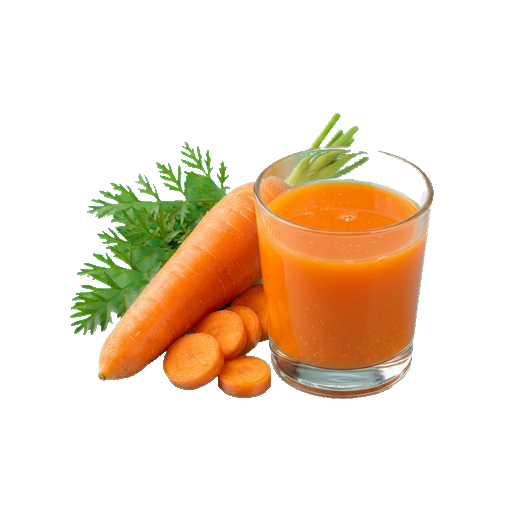
Carrot juice
Freshly squeezed carrot juice has a sweet, slightly earthy flavor and vibrant orange color thanks to its high beta-carotene content. In cooking, it is used as a standalone beverage, added to sauces, marinades, baked goods, and smoothies to impart natural sweetness and a beautiful hue. When choosing, prefer freshly squeezed juice or high-quality pasteurized juice without additives, keeping in mind that its concentrated flavor may require dilution with water or other juices depending on the recipe.
About
Carrot juice is one of the most versatile beverages in the kitchen. It works both as a standalone product and as a base for sauces, and as a component in baking. Its slightly sweet, mild flavor easily fits into a variety of dishes, and its bright color makes any dish more appetizing.
Taste and Aroma
Fresh carrot juice has a pronounced sweet taste with a light earthy note. Its aroma is bright and slightly astringent — it's something you recognize immediately. The intensity of the taste depends on the quality of the raw material: juice from young carrots is more delicate, while juice from mature carrots is more rich and sweeter.
Where to Use Carrot Juice
- In sauces and glazes for meat and poultry — adds sweetness and beautiful color
- In dough for pies and cupcakes — makes baked goods moist and adds natural sweetness
- In cream soups — as a base or to enhance carrot flavor
- In cocktails and smoothies — combines well with orange, ginger, apple
- In marinades for vegetables and meat — adds depth and natural sweetness
Successful Combinations
Carrot juice works well with ginger — together they create a piquant, warming flavor. With orange, you get a classic sweet-tart combination. Add turmeric for an Eastern flair, cinnamon for warmth, or lemon juice for freshness. In meat dishes, carrot juice pairs with rosemary, thyme, and garlic.
How to Choose and Store
Freshly squeezed carrot juice is ideal, but it should be used within a day. Pasteurized store-bought juice has a longer shelf life and is safer, but loses some of its aroma. Check the ingredients: quality juice should not contain added sugar and preservatives, only carrots and possibly a small amount of citric acid.
- Store freshly squeezed juice in the refrigerator for no more than 24 hours in a tightly sealed container
- Pasteurized juice in a closed package can be kept in a cool place for several months
- After opening the package, use within 3–5 days
- Frozen carrot juice can be stored for several months — convenient for sauces and baking
Practical tip
If you're making sauce or glaze, add carrot juice at the end of cooking or even after — this way it will retain its bright flavor and color. You can pour it into the dough calmly at any stage. Remember: carrot juice adds sweetness, so reduce the sugar in the recipe by approximately one quarter of the usual amount.
Nutrition
per 100 ml
- Calories
- 41 kcal
- Protein
- 0.9 g
- Fat
- 0.2 g
- Carbs
- 9.3 g
Measures and weight
- 1 tbsp
- 15.5 g
- 1 tsp
- 5.2 g
- 1 cup
- 257.5 g
Measure calculator
- Weight
- 100 g
- Calories
- 40 kcal