Usuba
Usuba
Muesli
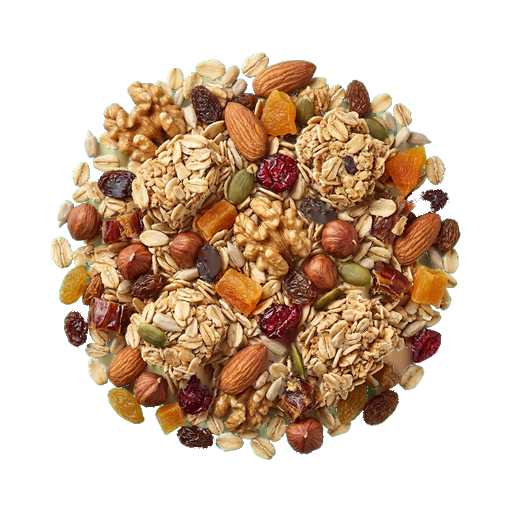
Muesli is a mixture of cereals, nuts, dried fruits, and sometimes seeds made from baked or raw ingredients. It is primarily used for breakfast, served with milk, yogurt, or juice, and can be a base for homemade granola and desserts. When choosing muesli, pay attention to sugar content and ingredient quality — good muesli contains minimal added sugar and maximum whole grains rather than flour.
About
Muesli is a mixture of cereal flakes, nuts, dried fruits, and sometimes seeds that has become a symbol of a quick and satisfying breakfast. Its convenience lies in the fact that all components are already selected and ready to eat: simply pour milk, yogurt, or kefir over it — and breakfast is ready. But muesli works in other dishes too: it's added to baked goods, used as a base for energy bars, or sprinkled over cottage cheese and fruit desserts.
Taste and texture
The flavor profile of muesli depends on its composition. In basic mixes, oat flakes dominate with a soft, slightly sweet note. Nuts add crunchiness and depth, dried fruits provide concentrated sweetness and chewy texture. Some manufacturers add honey, brown sugar, or cocoa, creating a more pronounced sweet profile. Crunchiness is preserved if muesli doesn't soak in liquid for too long — usually 5–10 minutes is sufficient.
When muesli absorbs milk or yogurt, the flakes become softer, but if you add it at the end of breakfast, it will remain crispy. This property is convenient to use: add muesli in layers or right before eating to control the texture.
How to use in the kitchen
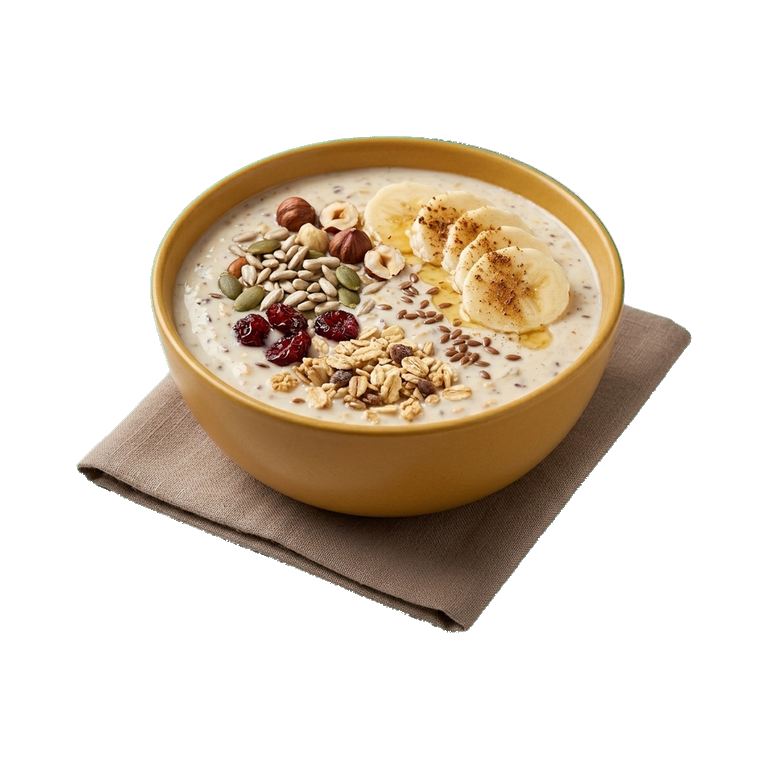
- Breakfast with milk or yogurt — a classic way. Add fresh berries or sliced banana for contrast.
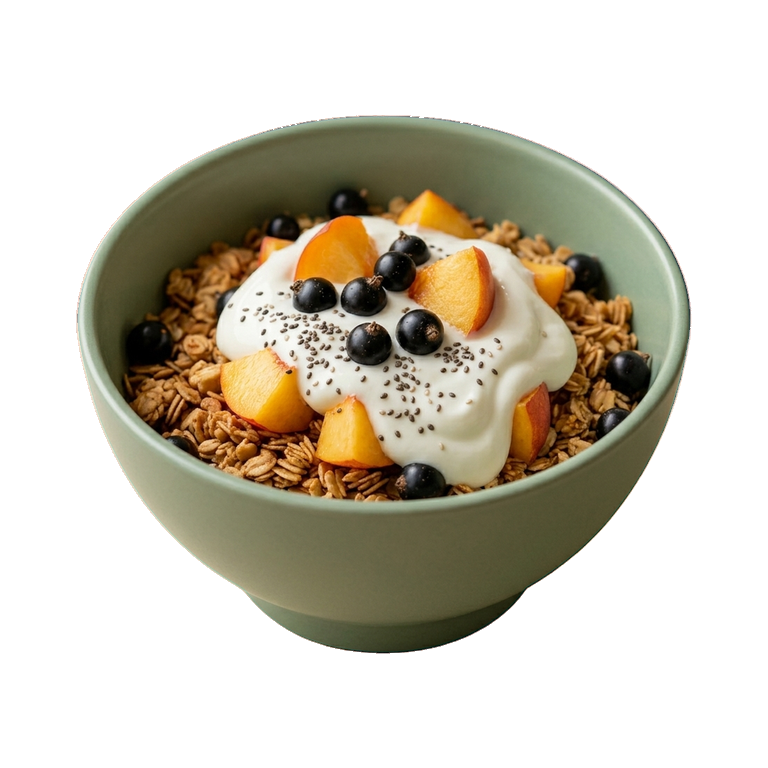
- Layers in a glass with yogurt and berries — creates a beautiful and satisfying dessert that's easy to take with you.
- Topping for cottage cheese, pudding, or ice cream — adds crunchiness and interest to soft textures.
- Base for energy bars — mix granola with melted butter, honey, and press into a mold.
- Ingredient for cookies and muffins — adds volume and nutrition to baked goods.
- Coating for cottage cheese pancakes or cheese pancakes — a crispy crust instead of traditional breadcrumbs.
Selection and Storage
When choosing muesli, pay attention to the composition: the less sugar and artificial additives, the better. Check that the mixture hasn't clumped together — this is a sign of excessive moisture during storage. Good muesli should be crumbly, with visible pieces of nuts and dried fruits. If you prefer a less sweet option, choose mixes with a high content of oat flakes and nuts.
Store muesli in a tightly sealed container at room temperature, in a dry place away from direct sunlight. Moisture is the enemy of muesli: it softens the flakes and causes the mixture to clump together. An airtight container or a jar with a lid is ideal. When stored properly, muesli stays fresh for several months. If you love maximum crunchiness, store it in the refrigerator after opening the package.
Combinations with other ingredients
Muesli works well with dairy products — yogurt, kefir, and cottage cheese. Fresh berries, bananas, and apples add freshness and moisture. Honey, jam, or berry compote will enhance the sweetness. Muesli already comes with nuts and seeds, but you can add walnuts, almonds, or chia seeds for extra nutrition. Cinnamon, vanilla, or cocoa powder will highlight the depth of flavor.
In baked goods, muesli is combined with brown sugar, butter, and eggs. If you're making bars or cookies, add a bit of vegetable oil or nut butter — this will help bind the components together and make the texture more uniform.
Nutrition
per 100 g
- Calories
- 340 kcal
- Protein
- 10 g
- Fat
- 5 g
- Carbs
- 65 g
Measures and weight
- 1 tbsp
- 6.8 g
- 1 tsp
- 2.3 g
- 1 cup
- 112.5 g
Measure calculator
- Weight
- 100 g
- Calories
- 340 kcal