Usuba
Usuba
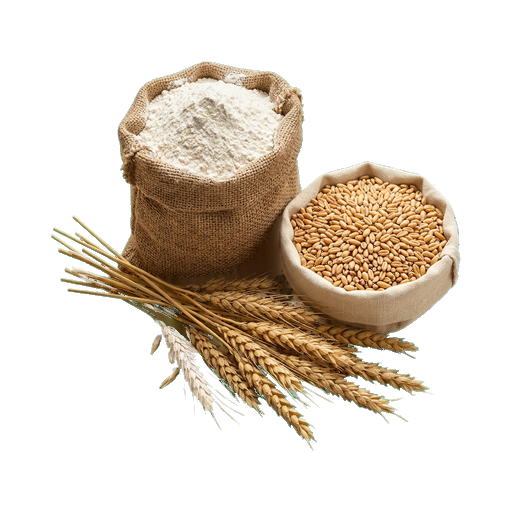
Pizza flour
Specialized flour with high gluten content (typically 12–14%) that provides elasticity and dough strength when stretched. Thanks to a strong gluten network, the dough holds gas well during fermentation and doesn't tear when shaping a thin crust. When choosing, pay attention to the protein percentage on the package — the higher it is, the better the dough will stretch and hold its shape, especially if you're making Neapolitan pizza or a thin crust.
About
Pizza flour is not just ground grain, but a tool upon which the structure of the dough depends. Its main difference from all-purpose flour lies in its protein content and ability to develop gluten. The right flour makes the dough elastic, allowing it to rise and open up in the oven, creating that very crispy crust with an airy center that everyone seeks.
How to choose: what to look for
The main indicator is protein content. For pizza, look for flour with protein content between 12 to 14 percent. This is not a random number: this level of protein creates a sufficiently strong gluten network that holds gas during fermentation and baking. Flour with lower protein content will give you loose, unstable dough, while flour with higher protein content will be too tough.
- Type 00 (doppio zero) — Italian classic for Neapolitan pizza, very fine grain, about 12 percent protein
- Bread flour — universal option with 12–14 percent protein, works well for homemade pizza
- Premium flour — may have insufficient protein content, use if you have no other options, but the result may be disappointing
What happens during kneading and proofing
When you mix flour with water, the proteins glutenin and gliadin begin to form a network — it's this network that gives the dough elasticity and the ability to stretch. During prolonged fermentation (especially in the refrigerator), this network becomes even stronger, the dough is easier to shape and becomes more aromatic. Pizza flour should be strong enough to withstand this work without tearing.
Pairing with other ingredients
Pizza flour works well with long hydration — you can use water in the amount of 60–65 percent of the flour weight. Adding a small amount of olive oil (2–3 percent) makes the dough more tender and improves the taste. Salt slows down fermentation and strengthens gluten, and sourdough or fresh yeast work with flour predictably if the correct grade is chosen.
Storage and Freshness
Pizza flour, like any other, absorbs moisture and odors. Store it in an airtight container at room temperature, away from direct sunlight and strong odors. Flour keeps longer in the refrigerator, but you need to let it warm up to room temperature before use to avoid condensation. Fresh flour works better — if you bake pizza regularly, try not to store your supply for longer than three months.
If you're just starting to bake pizza at home, don't overpay for rare varieties. Good bread flour with 12–14 percent protein will give you a result that will be much better than all-purpose flour, and it will cost less.
Nutrition
per 100 g
- Calories
- 340 kcal
- Protein
- 11 g
- Fat
- 1 g
- Carbs
- 70 g
Measures and weight
- 1 tbsp
- 8.3 g
- 1 tsp
- 2.8 g
- 1 cup
- 137.5 g
Measure calculator
- Weight
- 100 g
- Calories
- 340 kcal