Usuba
Usuba
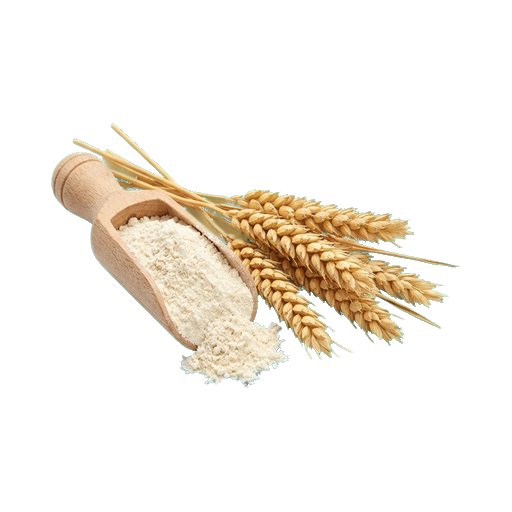
Fine flour
Fine flour is finely ground wheat flour with a uniform consistency that mixes easily with liquid and produces smooth dough without lumps. It is used for baking bread, rolls, cakes, and other products that require a delicate structure and even rise. When choosing, pay attention to the packaging date and storage conditions, as finely ground flour oxidizes quickly and may develop a rancid smell.
About
Fine flour is not just an ingredient, but a foundation that determines the texture and quality of baked goods. The finer the flour particles, the more delicate and uniform the dough structure becomes, and the finished products delight with their softness and even baking. This is especially important for those who take their results seriously.
Texture and behavior in dough
Fine flour absorbs liquid evenly and more slowly than coarse flour. This means you get better control over dough consistency — you can regulate moisture more precisely. The dough becomes more plastic, easier to handle, and baking produces a thin, delicate crumb without coarse inclusions.
This flour is ideal for products that require a smooth surface and fine crumb: cookies, sponge cakes, cupcakes, thin pancakes. It also works well in yeast dough, ensuring even rise and beautiful porous structure.
Where to use it
- Sweet baked goods and confectionery products — cookies, gingerbread, pastries
- Tender pies and buns with delicate texture
- Pancakes, fritters and thin batter-based products
- Creams and confectionery fillings (flour is used as a thickener)
- Bread with soft, airy crumb
You should not use fine flour for bread if you want to achieve a dense, elastic crumb with good chewing ability. For such purposes, coarser flour is better suited, as it provides better gluten structure.
Selection and Storage
When purchasing, pay attention to the packaging date — fresh flour works better in dough. Fine-ground flour should be white or cream-colored, without lumps and foreign odors. If flour becomes damp or has a musty smell, it should not be used.
- Store in a dry, cool place, protected from direct sunlight
- Transfer to an airtight container or seal the bag tightly — this way flour won't absorb moisture and odors
- Optimal storage temperature is 10–15 degrees; flour lasts longer in the refrigerator
- Shelf life is usually 6–12 months depending on conditions
If you bake frequently, it makes sense to buy flour in small quantities and update your supply often. Fresh flour produces better results, and this is especially noticeable in recipes with yeast or leavening agents.
Practical tip
If a recipe simply says "flour", it usually refers to all-purpose flour. However, if bread flour or whole wheat flour is required, this will be specified separately. Don't ignore such clarifications — they affect the result.
Fine flour is a universal helper in the kitchen. It works in most pastry recipes and often saves the day when you need tender, airy baked goods. Try paying attention to the quality of the flour you use, and you will notice the difference in the texture and taste of your finished dishes.
Nutrition
per 100 g
- Calories
- 364 kcal
- Protein
- 10.3 g
- Fat
- 1.1 g
- Carbs
- 74.9 g
Measures and weight
- 1 tbsp
- 9 g
- 1 tsp
- 3 g
- 1 cup
- 150 g
Measure calculator
- Weight
- 100 g
- Calories
- 364 kcal