Usuba
Usuba
Semolina flour
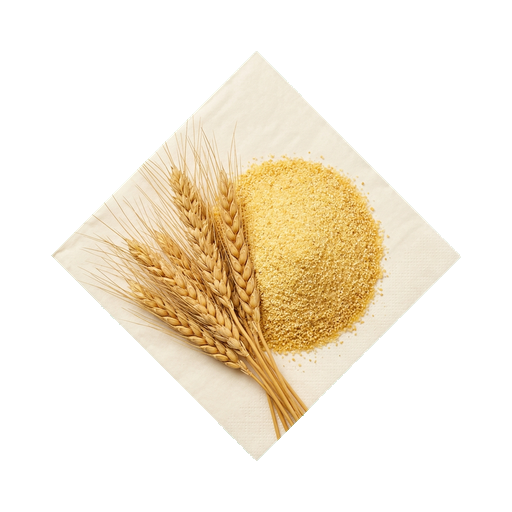
Coarse semolina flour made from hard wheat varieties with medium-sized grains that are clearly visible to the naked eye. Used in cooking for making pasta, bread, buns, and sweets, giving them an elastic structure and slightly grainy texture. When selecting, pay attention to the uniformity of the grind and the absence of lumps. When substituting, keep in mind that regular wheat flour absorbs more liquid and may require adjusting the proportions in the recipe.
About
Semolina is a granule made from hard wheat varieties, which occupies an intermediate position between flour and semolina flour. The grains are larger than in ordinary flour, but smaller than in full-fledged cereal. Because of this, semolina behaves quite differently in dough and creates a special texture of dishes.
Texture and taste
Semolina gives dough elasticity and a slightly grainy structure. When kneaded, it does not form a smooth paste like wheat flour, but creates a crumbly, slightly crispy consistency. The taste is neutral, with a subtle nutty undertone that becomes more pronounced if the flour is lightly toasted in a pan before use.
Where to use semolina
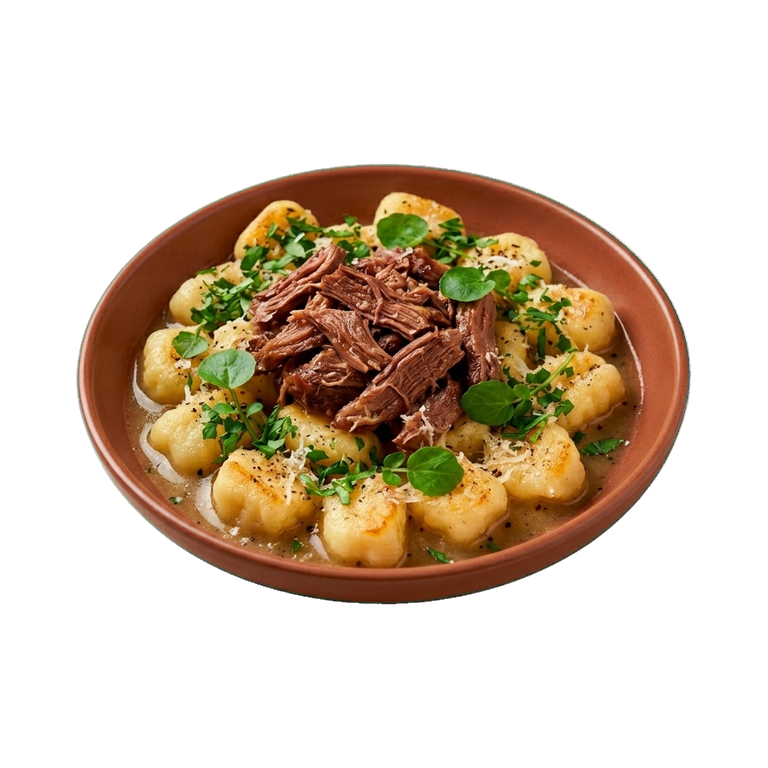
- Pasta and pasta products — semolina from durum wheat is ideal for homemade noodles and dumplings, the dough becomes elastic and does not overcook
- Cookies and sponge cakes — adds crumbly texture and delicate crumb, especially when combined with regular flour
- Porridges and puddings — semolina (ground semolina) cooks in milk, creating a creamy consistency
- Breading — instead of breadcrumbs, semolina gives a crispy crust when frying
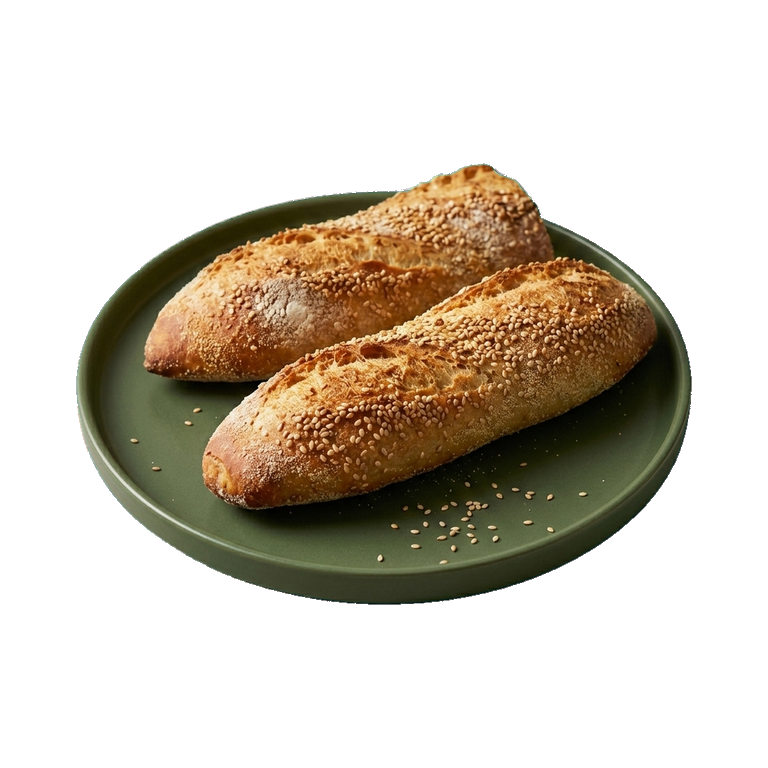
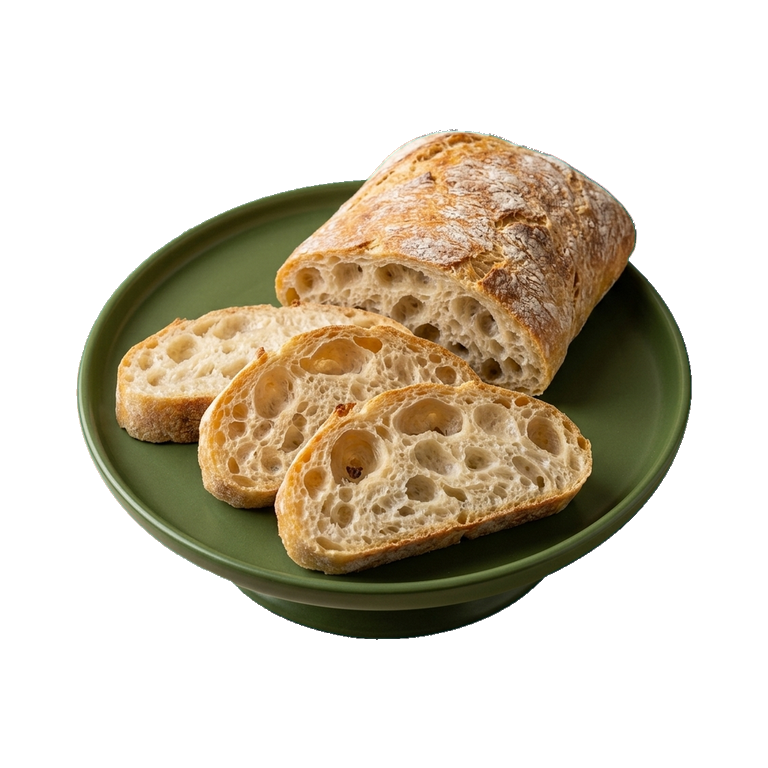
- Bread and buns — in small quantities makes the crumb more porous and airy
Practical tips for working
Semolina absorbs liquid more slowly than regular flour, so if you're substituting it for part of the wheat flour in a recipe, add less water at first — it's better to add more later than to over-moisten the dough. For pasta, mix semolina with eggs gradually, let the dough rest for 20–30 minutes before rolling — it will become more pliable and won't tear.
Selection and Storage
Look for semolina in the flour and grains section, usually sold in paper bags. The color should be uniform, ranging from light yellow to golden. Store in a tightly closed container or bag in a cool, dry place — at room temperature semolina keeps for up to six months. If you cook with it often, transfer it to a glass container with a lid to protect it from moisture and odors.
Successful Combinations
- With eggs — a classic combination for dough, provides strength and elasticity
- With butter — in cookies and pastries creates a crumbly texture
- With cheese — in breadcrumbs for cutlets or as a topping for bread
- With milk — for porridges and sweet puddings
- With wheat flour — in a 1:1 or 1:2 ratio for balanced texture in baking
Semolina is not a universal substitute for wheat flour, but when you need elasticity, crunch, or a special texture, it becomes indispensable. Start with classic pasta or cookies, and you'll immediately feel the difference.
Nutrition
per 100 g
- Calories
- 360 kcal
- Protein
- 12 g
- Fat
- 1 g
- Carbs
- 73 g
Measures and weight
- 1 tbsp
- 9 g
- 1 tsp
- 3 g
- 1 cup
- 150 g
Measure calculator
- Weight
- 100 g
- Calories
- 360 kcal