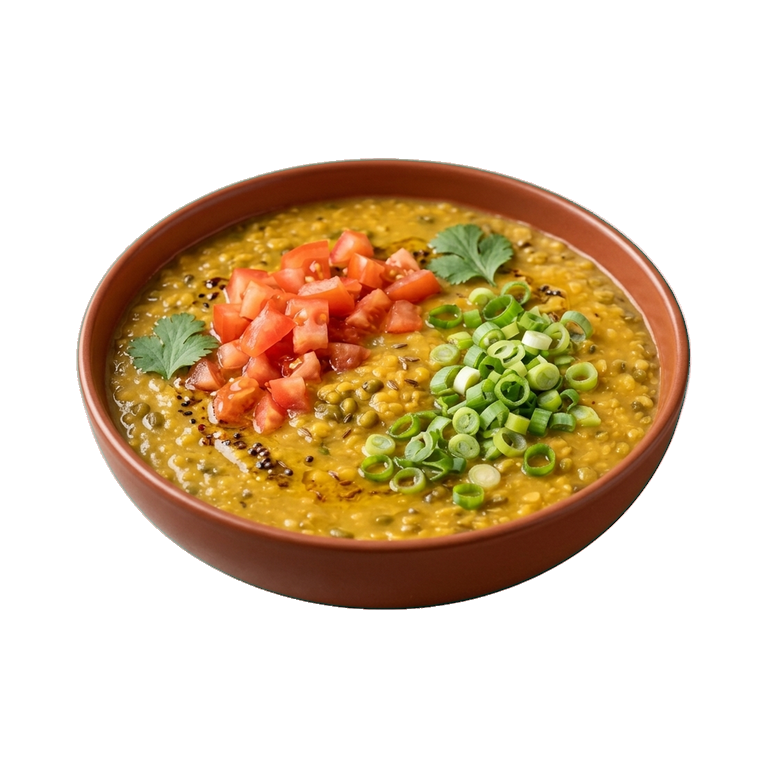
Usuba
Usuba
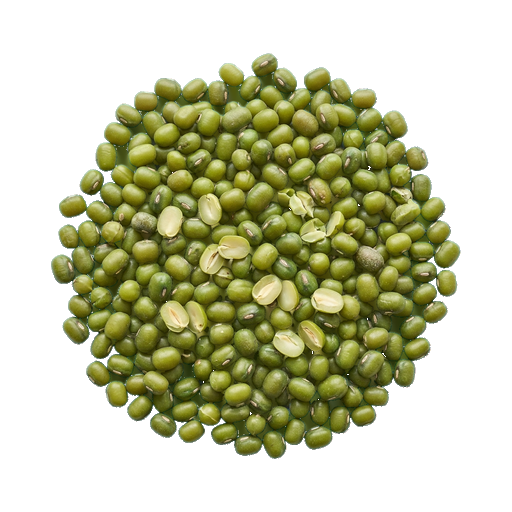
Mung bean
Mung bean is a small green legume with a tender texture and a slightly sweet, nutty flavor. Thanks to its thin skin, it cooks quickly and absorbs spices well, which is why it's often used in Asian cuisine for soups, porridges, and purees. When choosing, pay attention to uniform color and intact grains — they should not be darkened or damaged, as this is a sign of improper storage.
About
Mung beans are small green legumes often called the gold of Asian cuisine. They are lighter and softer than regular peas, cook quickly, and require no pre-soaking. If you haven't cooked with mung beans yet, now is the time to start: they are one of the most rewarding ingredients for home cooking.
Taste and Aroma
Mash has a delicate, slightly sweet flavor with a subtle nutty note. When cooked, it does not become mushy but retains its structure — the beans remain whole and firm if not overcooked. The aroma is delicate, earthy, without harshness.
How to cook mung beans
The main advantage of mung beans is speed. Rinse the beans under cold water, place in a pot and cover with water in a 1:3 ratio. Bring to a boil and cook for 20–25 minutes until soft. Add salt at the end of cooking. Mung beans do not require soaking, so from idea to table takes literally an hour.
Where to use
- Soups and stews — mung beans hold their shape well and don't fall apart
- Porridges and side dishes — serve with spices and vegetables as a standalone dish
- Salads — cooled mung beans pair well with vegetables and light dressing
- Pasta and puree — for a more tender consistency, cook mung beans longer and mash them
- Sprouts — mung beans sprout easily and can be added raw to salads
Delicious Combinations
Mung beans love spicy spices: turmeric, cumin, coriander, and black cardamom reveal their nutty profile. They work well with coconut milk, ginger, and garlic. Vegetables — carrots, tomatoes, spinach — complement mung beans without competing for space on the plate. If cooking in an Asian style, add lemongrass or fresh lime at the end of cooking.
Selection and Storage
When purchasing, pay attention to the color: mung beans should be bright green, without spots or damage. Beans of uniform size cook evenly. Store mung beans in an airtight container in a cool dry place — this way they will retain their properties for a year or even longer. If mung beans have been stored for a long time, they may take a bit longer to cook, but this is not a problem.
Why mash is valued
Mung beans are rich in plant protein, fiber, and minerals, yet are easier to digest than other legumes. They don't cause bloating thanks to their special composition. This makes them an ideal choice for those who want to add nutrition to a dish without heaviness. For vegans and vegetarians, mung beans are one of the most convenient sources of protein.
Nutrition
per 100 g
- Calories
- 347 kcal
- Protein
- 23.9 g
- Fat
- 1.2 g
- Carbs
- 46.3 g
Measures and weight
- 1 tbsp
- 11.3 g
- 1 tsp
- 3.8 g
- 1 cup
- 187.5 g
Measure calculator
- Weight
- 100 g
- Calories
- 347 kcal