Usuba
Usuba
Mussel meat
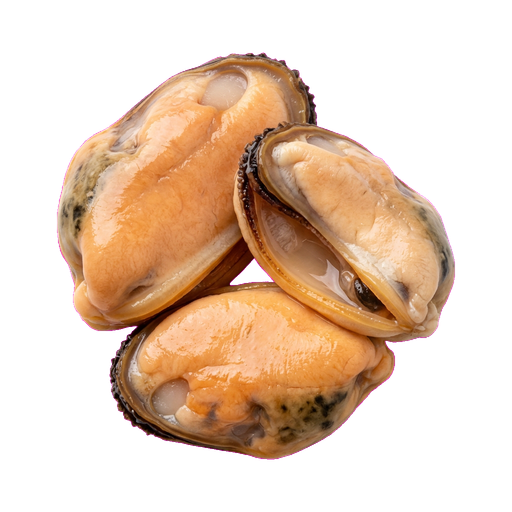
Mussel meat is a soft mollusk tissue with a tender, slightly sweet texture and a briny aroma. It contains high moisture content and requires careful heat treatment, as it quickly becomes tough when overcooked. Mussel meat is used in pastas, risottos, soups, and appetizers, where it readily absorbs the flavors of wine, garlic, and herbs. When selecting mussels, it is important to pay attention to the freshness and firmness of the shells.
About
Mussel meat is a delicate seafood product that often remains overshadowed by more popular oysters and shrimp. But this is unfair: mussels provide sweet, delicate meat with a pronounced iodine flavor and soft, almost buttery texture. Cooking them is simple, and the result is always impressive.
Taste and Aroma
Mussel meat has a pronounced marine character: salt, iodine, and a light sweetness. The texture is dense but tender — not tough like some mollusks. The color varies from orange to dark brown depending on the species and diet of the mussels. The smell is fresh, aquatic, without sharp unpleasant notes.
Role in dishes
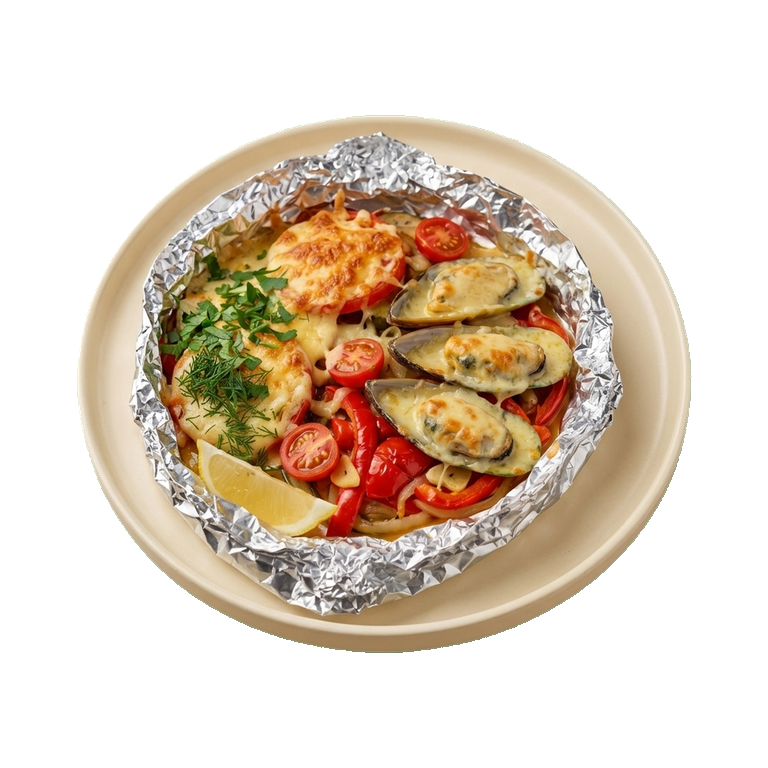
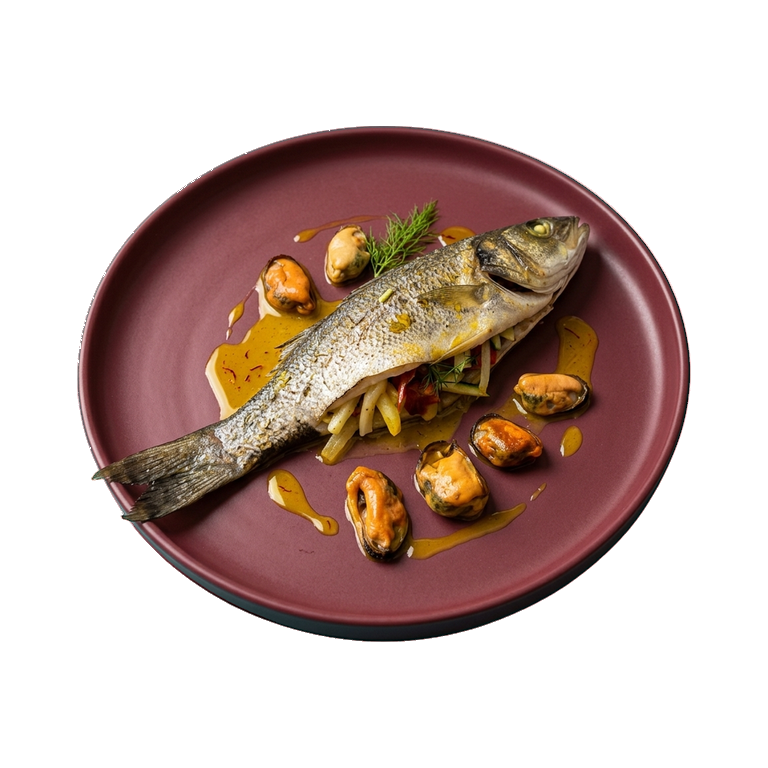
Mussel meat works in two directions: as a standalone ingredient and as an aromatic addition. In a pan with white wine and garlic, mussels fully reveal their flavor. In soups and broths, they release sweet juices, enriching the base. The meat holds its shape well with brief heat treatment, but quickly becomes tough if overcooked.
Cooking Methods
- Stewing in white wine with onions and herbs — a classic option that takes 5–7 minutes
- Adding to pasta and risotto at the final stage — the meat does not require long cooking
- Frying over high heat with oil and spices — quick and aromatic
- Including in tom yum soup or bouillabaisse — mussels enrich the broth
Successful Combinations
Mussels love acidity: lemon, white wine, tomatoes. Garlic and parsley emphasize their marine character. Butter softens the iodine notes. Sharp spices — pepper, paprika — add contrast. Mussels work well with other seafood: shrimp, squid, fish.
Selection and Storage
Fresh mussels should be closed or actively close when touched. The smell should be clean, briny, without ammonia. If the shell is open and does not respond to tapping, the mussel is dead — it should not be cooked. The meat should be moist, without slime and dark spots.
- Live mussels are stored in the refrigerator at 0–4 °C for no more than 3–4 days, in a bowl with a damp cloth
- Cleaned meat is frozen in an airtight container for up to 3 months
- Canned meat in oil or sauce should be kept in the cupboard according to the date on the package
Do not overcook mussels: they cook in 3–5 minutes. Overcooked meat becomes rubbery and loses its tenderness. It is better to undercook than to overcook.
Nutrition
per 100 g
- Calories
- 88 kcal
- Protein
- 15.9 g
- Fat
- 2.2 g
- Carbs
- 3.7 g
Measures and weight
- 1 pcs
- 12 g
Measure calculator
- Weight
- 100 g
- Calories
- 88 kcal