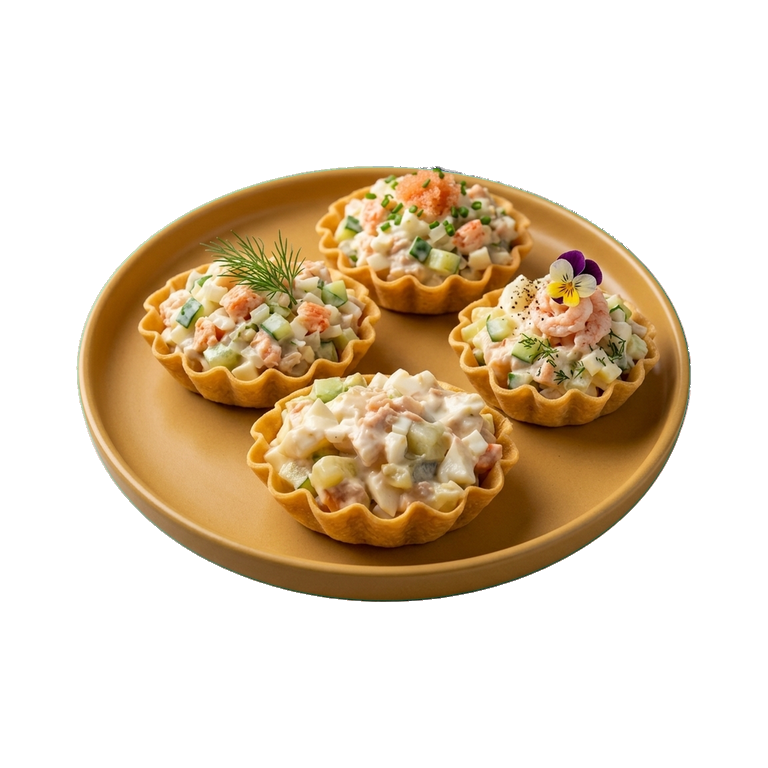
Usuba
Usuba
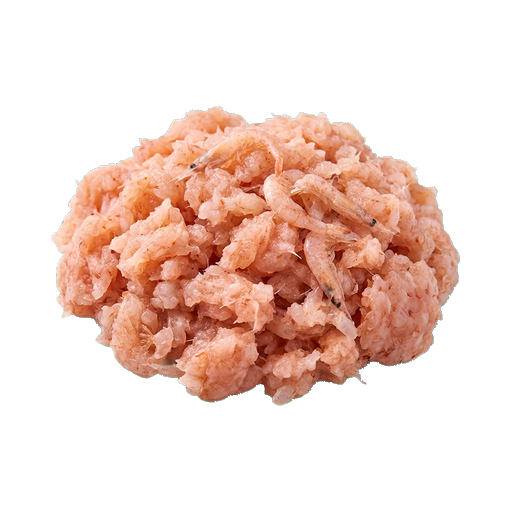
Krill meat
Krill meat is the flesh of small crustaceans harvested primarily in Antarctic waters. The product has a delicate texture, a subtle seafood flavor with a light sweetness, and a characteristic ocean aroma. In cooking, krill is used as a base for pastes, added to sushi, seafood salads and appetizers, and also serves as a natural colorant to give dishes a pinkish tint.
About
Krill meat consists of small crustaceans that have long ceased to be exotic on the Russian table. Unlike large seafood, krill holds a special place: it is more affordable in price, easier to process, and at the same time rich in protein and beneficial substances. If you haven't cooked with krill yet, it's time to start — this ingredient opens up a whole layer of new flavors and textures in the kitchen.
Aroma and Taste
Krill has a delicate seafood flavor with a subtle sweetness — not sharp or aggressive, as can sometimes be the case with other seafood. The aroma is delicate, slightly iodized, but not overpowering. The texture of the meat is very tender, almost melting in your mouth, especially if the krill is cooked properly. This makes it versatile: it doesn't overpower other ingredients, but complements them, adding seafood depth and protein value.
Role in dishes
- In salads, krill works as a light seafood accent, especially if mixed with avocado, citrus dressing and leafy greens
- In soups and broths, it imparts a rich flavor without requiring long cooking — just add it at the end of preparation
- In pastas, krill goes well with light sauces based on white wine, olive oil and garlic
- In sushi and rolls, it serves as a filling, giving the dish a natural seafood flavor and beautiful pinkish color
- In appetizers and tartares, krill becomes a star thanks to its tenderness and ability to absorb marinades well
How to Cook and Pair
Krill is best cooked over low heat and for a very short time — overcooking will make it rubbery and tasteless. If you buy frozen krill, thaw it naturally in the refrigerator, not under hot water. It pairs perfectly with lemon, lime, fresh dill, parsley, and basil. Black pepper, paprika, and a pinch of cayenne pepper work well as seasonings. Butter and olive oil are its faithful companions.
Selection and Storage
- Fresh krill should have a bright pinkish color and a pleasant sea smell without any signs of mustiness
- Check frozen krill for ice crust and lumps — these are signs of refreezing
- Krill can be stored in the freezer for up to three months in an airtight container
- Fresh krill in the refrigerator will last no more than a day, so plan your cooking in advance
Krill meat is not just a budget-friendly seafood, but an ingredient that can transform your culinary routine. Try it in a simple dish with butter and lemon to feel its true taste, and then experiment with more complex recipes. You will be surprised at how versatile this modest-looking crustacean is.
Nutrition
per 100 g
- Calories
- 97 kcal
- Protein
- 20 g
- Fat
- 2 g
- Carbs
- 0 g
Measures and weight
- 1 can
- 100 g
Measure calculator
- Weight
- 100 g
- Calories
- 97 kcal