Usuba
Usuba
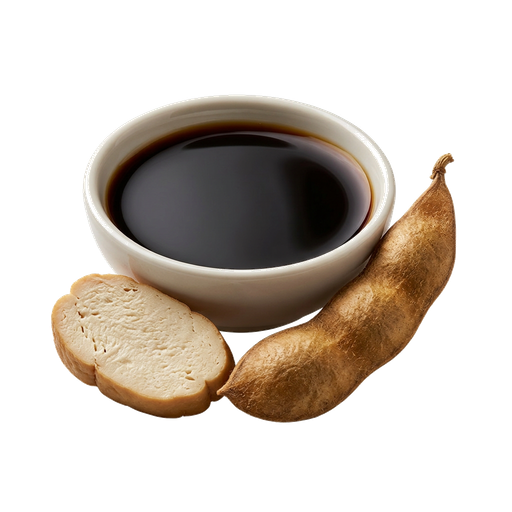
Non-fermented soy sauce
This is soy sauce produced without traditional prolonged fermentation, typically made through chemical hydrolysis of soy protein. It has a sharper, sometimes slightly bitter taste and less complex aroma compared to fermented varieties, though it penetrates foods more quickly. Used in marinades, sauces, and dressings where intense saltiness is needed, but requires careful dosing due to its aggressive flavor profile.
About
Non-fermented soy sauce is a product obtained by hydrolyzing soy protein with acid, bypassing the traditional fermentation process. The result looks like regular soy sauce, but its flavor profile and chemical composition differ significantly. This sauce is prepared quickly — in hours or days instead of months — and costs less than its fermented counterpart.
Taste and aroma
Unfermented soy sauce tastes sharper and more one-dimensional. It lacks the depth, complexity, and slightly sweet notes that develop during fermentation. The aroma is also simpler: pungent, chemical, without delicate nuances. The saltiness is often higher than in fermented soy sauce and feels more aggressive on the palate.
Where it is used
Non-fermented soy sauce is suitable for dishes where its flavor will not be central. It is added to marinades for meat and poultry, used in sauces for stir-frying vegetables, and included in dipping sauces for deep frying. For dishes where the sauce should stand out prominently — sushi, sashimi, soups, rice — it is not the best choice.
Combinations and Proportions
- In marinades for meat, it works well with ginger, garlic, and sesame oil — spicy and aromatic notes mask the sauce's chemical aftertaste
- In sauces for wok stir-frying, it is used in smaller quantities than fermented versions, and the lack of flavor is compensated with other components: vinegar, sugar, chili pepper
- For dipping sauces, it can be mixed with mayonnaise, sour cream, or yogurt — they soften the sharpness and add creaminess
Selection and Storage
The label usually says "hydrolyzed soy sauce" or indicates the production method. Price is the main guide: unfermented is always cheaper. It stores well in a sealed bottle at room temperature due to its high salt and acid content. After opening, it doesn't require refrigeration, but it's better to keep it away from light.
If you are cooking an Asian dish where soy sauce is the main flavor component, use fermented soy sauce. Unfermented soy sauce is for culinary work when it is one of many elements in the recipe.
Nutrition
per 100 ml
- Calories
- 53 kcal
- Protein
- 8.1 g
- Fat
- 0.1 g
- Carbs
- 4.9 g
Measures and weight
- 1 tbsp
- 16.9 g
- 1 tsp
- 5.6 g
- 1 cup
- 282.5 g
Measure calculator
- Weight
- 100 g
- Calories
- 47 kcal