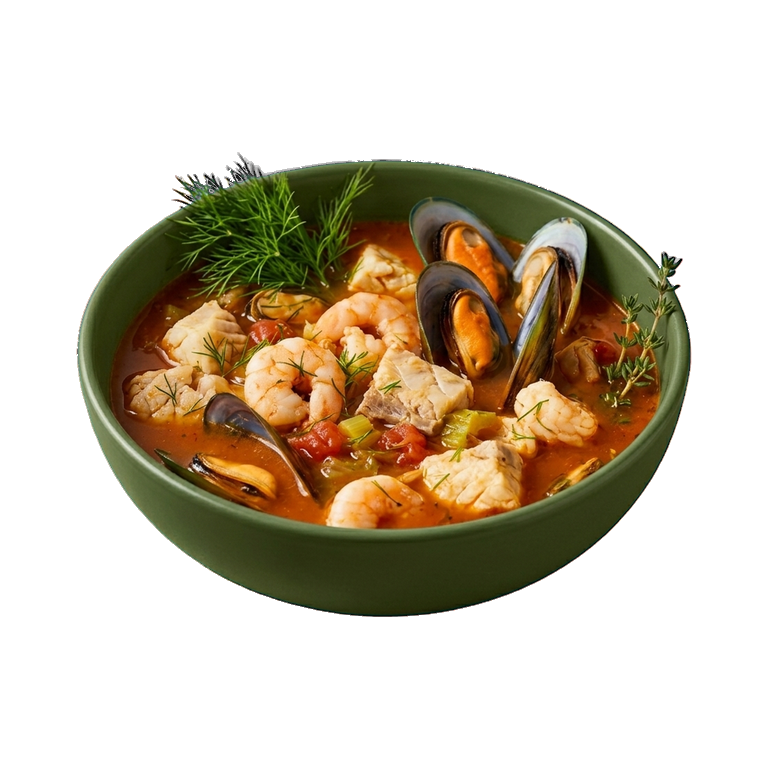
Usuba
Usuba
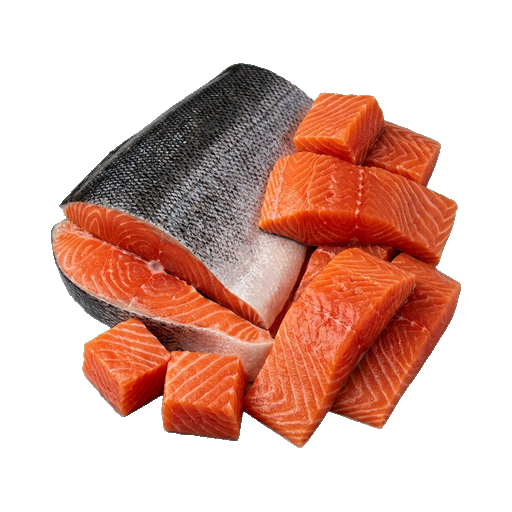
Sockeye salmon
Sockeye salmon is a red salmon fish with dense meat of bright orange color and a pronounced fishy aroma. The meat contains a lot of fat, which makes it juicy and tender when properly heat-treated, and works well for baking, smoking, and salting. When choosing, look for a fresh sea smell and firm texture, keeping in mind that sockeye salmon requires gentle cooking — prolonged heating can make the meat dry.
About
What is sockeye salmon and why is it valued in cooking
Sockeye salmon is a red fish with dense meat of a saturated orange-red color. It belongs to the salmon family and differs from other species by its more intense flavor and characteristic texture. Sockeye salmon meat contains a lot of fat, which keeps the fish juicy even during heat treatment. This quality makes it indispensable for chefs who want to achieve perfect results without drying out the fish.
In the kitchen, sockeye salmon works as a universal ingredient: it's great for both a quick lunch and a festive table. Its meat holds its shape during cooking, easily separates from the bones, and the color remains vibrant after any preparation. Because of this, the fish looks appetizing on the plate and doesn't require complex handling.
Aroma and Flavor
Sockeye salmon has a pronounced marine aroma, but not sharp or ammonia-like — rather fresh and clean. The fish's flavor is bright, with a light sweetness and mineral notes. The meat's richness gives it a creamy texture that contrasts well with the acidity of lemon or white wine.
Sockeye salmon's intense flavor pairs well with bold spices and sauces. It holds its own alongside sharp ginger, garlic, or soy sauce, yet doesn't overpower delicate seasonings. This makes it versatile for cooking in different styles — from classic European to Asian cuisine.
How to Cook Sockeye Salmon
Sockeye salmon is equally good baked, stewed, smoked, and raw. On a skillet, it's best cooked skin-side down — it becomes crispy while the meat stays tender. On the grill, the fish acquires a smoky aroma and beautiful grill marks. Under sauce, sockeye salmon reveals new taste dimensions, especially with creamy or tomato sauce.
For raw dishes (ceviche, tartare, sushi), choose fillet from a reliable supplier marked "suitable for raw consumption". Sockeye salmon holds its shape well in such dishes thanks to the dense structure of its meat.
Pairings and Role in Dishes
Sockeye salmon pairs well with citrus, fresh herbs, and light oils. Lemon highlights freshness, dill adds a distinctive aroma, and olive oil enhances the richness of flavor. The fish works beautifully alongside grilled vegetables, in salads with avocado, and in pasta dishes.
- With white wines and dry champagne
- With spicy sauces based on ginger and chili
- With root vegetables — beets, carrots, parsnips
- With creamy sauces and butter
- With smoked and salted ingredients — bacon, smoked paprika
Selection and Storage
When purchasing, pay attention to the color — the meat should be bright orange or red, without gray spots or darkening. Fresh sockeye salmon should smell like the sea, not fish. The fillet should be firm, without dents. If you are buying a whole fish, check the eyes — they should be clear and shiny.
Frozen sockeye salmon can be stored in the freezer for up to a year. Fresh fillet will keep in the refrigerator for 1–2 days on the coldest shelf. Before cooking, thaw the fish slowly in the refrigerator, not at room temperature — this way it will retain its structure and juiciness.
Nutrition
per 100 g
- Calories
- 140 kcal
- Protein
- 20.2 g
- Fat
- 6 g
- Carbs
- 0 g
Measure calculator
- Weight
- 100 g
- Calories
- 140 kcal