Usuba
Usuba
Non-Alcoholic Aperol
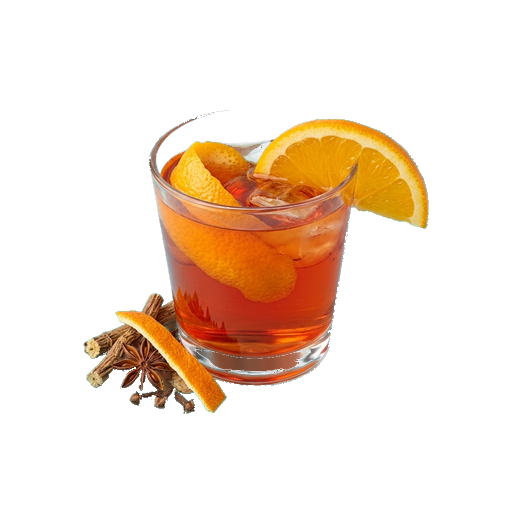
Non-alcoholic Aperol is a beverage created as an alternative to the classic aperitif while preserving its characteristic bitter-sweet profile and orange color. It contains infusions of herbs, spices, and orange, but without alcohol, making it a versatile component for non-alcoholic cocktails, refreshing beverages, and dessert dishes. When using it in cooking, take into account its pronounced bitterness and sweetness — the drink works well in sauces for duck or pork, as well as in jellies and ice cream, but requires balancing with acidity and salt.
About
Non-alcoholic Aperol is a modern interpretation of the classic Italian aperitif, created for those who want to enjoy the characteristic taste and ritual without alcohol. The beverage retains the recognizable bitter-sweet palette of the original, but this is achieved through a combination of plant extracts, spices, and natural flavorings. It is not merely a non-alcoholic alternative — it is a standalone ingredient with its own character, which opens up new possibilities in bar culture and home cooking.
Taste and Aroma
The first impression is sweetness with a hint of orange and a light herbal bitterness. On the palate, a complex composition unfolds: floral notes (usually chamomile or elderflower), spicy accents (cinnamon, clove), and a barely perceptible bitterness from plant components. The taste is not cloying, but rather delicate, with good structure that allows the drink to stand out in mixes and cocktails. The aroma is fresh, somewhat perfumed, but not synthetic, if a quality product is chosen.
Role in cocktails and drinks
Non-alcoholic Aperol serves as a base for non-alcoholic spritzes — combined with sparkling water, ice, and an orange slice, it creates the perfect aperitif before a meal. Its bitter-sweet profile works well in long drinks with juice (especially orange or cranberry) and tonic. In cocktail practice, it can replace its alcoholic counterpart in classic recipes, though the result will be milder and less intense.
Successful Combinations
- Sparkling water, ice, orange — classic spritz
- Ginger ale and lemon juice for a spicy cocktail
- Strawberry juice or puree for a soft fruity drink
- Herbal teas (especially chamomile or mint) for cold compositions
- Bitter components like Angostura or bitters to enhance complexity
Selection and Storage
When choosing, pay attention to the composition: a good non-alcoholic aperol should contain natural plant extracts, not just flavorings. The color varies from light orange to a richer amber — this is normal and depends on the manufacturer. The flavor profile may vary slightly depending on the brand, so it's worth trying several options to find your preferred one.
Store alcohol-free Aperol in a cool, dark place, away from direct sunlight. After opening, it is best to use the bottle within 2–3 months, although with proper storage, the drink can remain suitable for longer. It does not require refrigeration until opening, but for cocktail use, it is usually chilled or served with ice.
Practical tip
Non-alcoholic Aperol is especially useful if you're preparing for a mixed group or experimenting with non-alcoholic bar culture. It gives you the ability to create complex, interesting drinks that won't seem like a boring alternative. Start with a simple spritz to feel its character, and then experiment with additives depending on the season and mood.
Nutrition
per 100 ml
- Calories
- 20 kcal
- Protein
- 0.1 g
- Fat
- 0.1 g
- Carbs
- 4.5 g
Measures and weight
- 1 tbsp
- 15.8 g
- 1 tsp
- 5.3 g
- 1 cup
- 262.5 g
Measure calculator
- Weight
- 100 g
- Calories
- 19 kcal