Usuba
Usuba
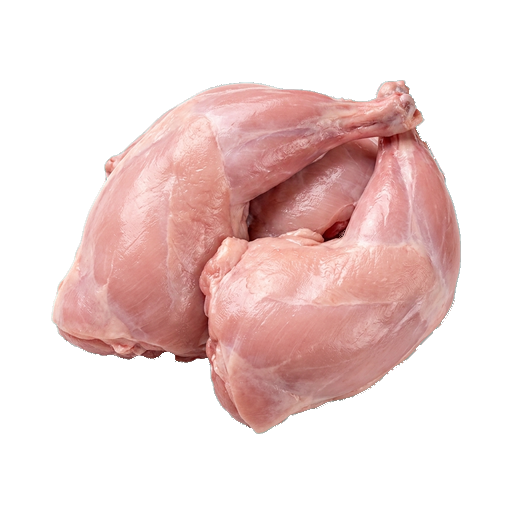
Rabbit legs
Tender rabbit legs have a delicate flavor with a subtle sweetness and are considered one of the most prized parts of the carcass. Thanks to their low fat content and high nutritional value, this meat is ideal for stewing, roasting, and making ragout. When selecting, pay attention to the light pink color of the meat and the absence of any off-odors — quality rabbit meat requires minimal preparation and cooks faster than beef or chicken.
About
Rabbit legs are meat that often remains in the shadow of fillets and loin, although it deserves much more attention. The front and hind legs contain enough meat to become the basis of a full-fledged dish, rather than just a side addition. The meat here is darker and denser than in the central part of the carcass, with a pronounced rabbit flavor and good structure that doesn't fall apart during cooking.
Texture and flavor absorption ability
Rabbit legs are ideal for long braising and cooking. Bones and cartilage create natural gelatin, which makes the sauce thick and velvety. The meat remains juicy even with intense heat treatment, and its tender structure allows it to absorb the flavors of spices, wine, and herbs well. This makes the legs a particularly valuable ingredient for stews, pâtés, and broths.
Where rabbit legs are used
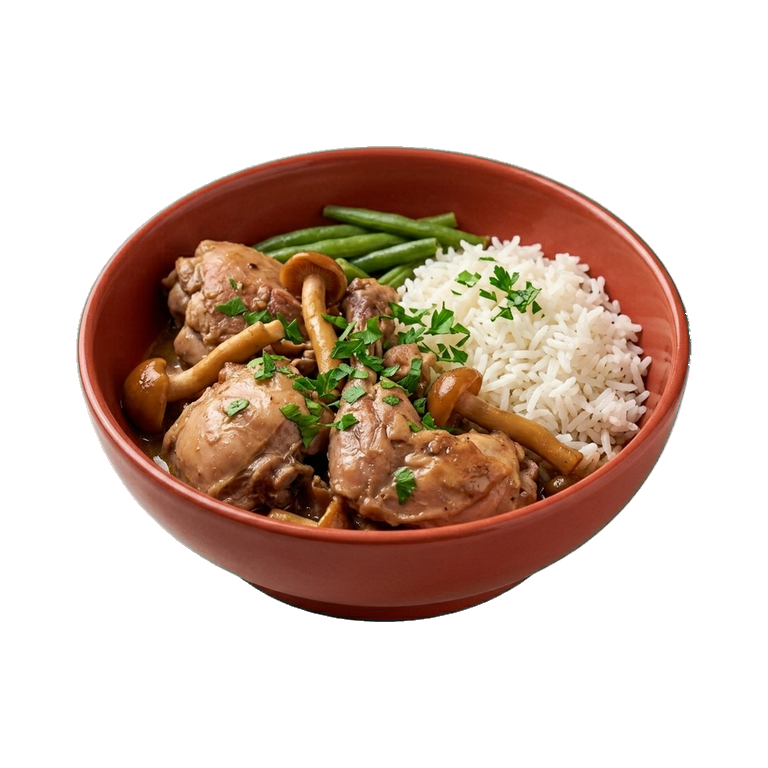
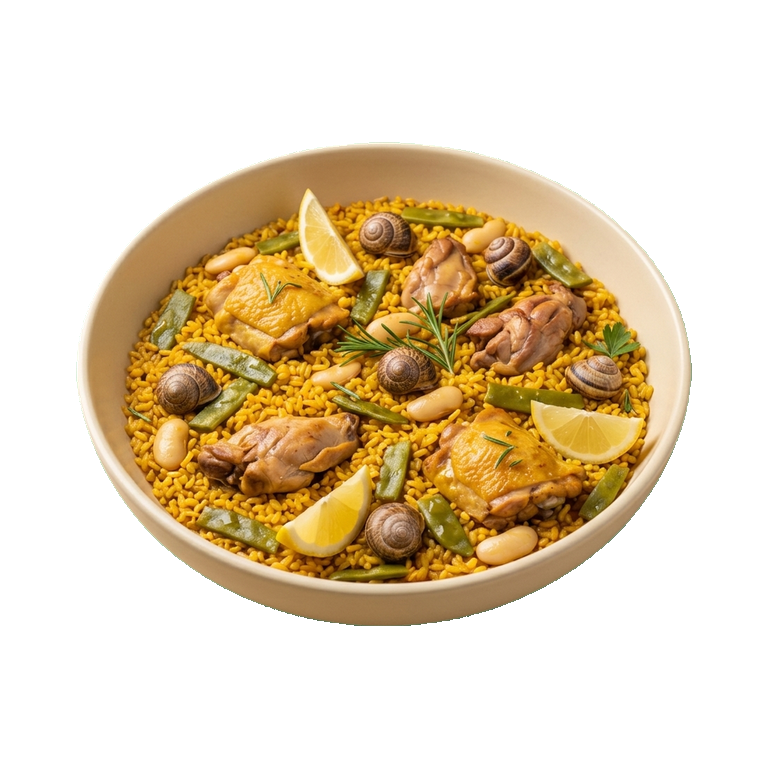
- Braising in red wine with vegetables and herbs — a classic method that makes the meat tender and aromatic
- Stews and casseroles — the legs hold their shape and don't fall apart, creating a pleasant texture in a thick sauce
- Broths and soups — bone and cartilage enrich the liquid, giving it depth and natural gelatinousness
- Pâtés and terrines — leg meat is perfect for forcemeat thanks to its density and flavor
- Pan-frying whole or in pieces with savory sauces — the meat is dense enough to maintain its shape
Selection and Storage
When selecting legs, pay attention to the color of the meat — it should be pink or light red, without any gray coating. The bone should be clean, without darkening. The smell should be neutral, rabbit-like, without sour or musty notes. Fresh legs are stored in the refrigerator for two to three days, in the freezer — for several months. Before cooking, rinse them under cold water and dry with a paper towel.
Taste and Aroma
Rabbit meat is tender and delicate, but in the legs it has a more pronounced and rich flavor than in other parts of the carcass. The taste resembles chicken, but with greater depth and a slight gamey note. This meat pairs beautifully with herbs — rosemary, thyme, bay leaf — and complements wine, mustard, and cream sauce perfectly. It doesn't require complex spices: often salt, pepper, and a few classic ingredients are enough to bring out the meat's best flavor.
Rabbit legs are a budget-friendly and rewarding ingredient for home cooking. They cook slowly, absorb flavors, and even with little experience, you'll get a dish that looks and smells like it came from a restaurant.
Nutrition
per 100 g
- Calories
- 92 kcal
- Protein
- 19.2 g
- Fat
- 1.2 g
- Carbs
- 0 g
Measures and weight
- 1 pcs
- 85 g
Measure calculator
- Weight
- 100 g
- Calories
- 92 kcal