Usuba
Usuba
Fat-free soft cheese
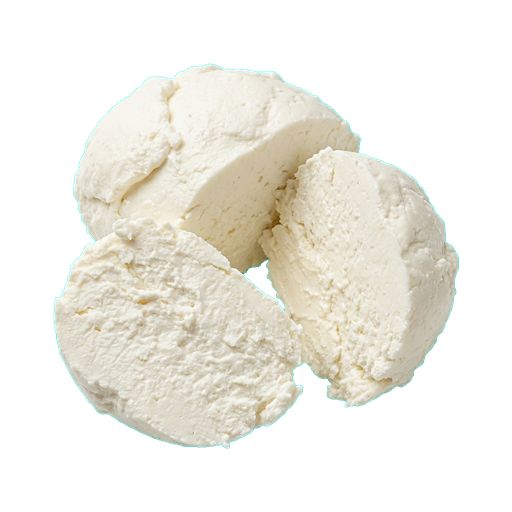
Fat-free soft cheese is a cottage cheese product with a delicate texture and mild, slightly tangy flavor, virtually without fat. It is used in desserts, cheesecakes, sweet pastas, and sauces where a creamy texture without calories is needed. When choosing, pay attention to the expiration date and consistency — the product should be homogeneous and not separate into layers. When substituting regular cheese, keep in mind that the dish may become less flavorful, so it makes sense to add more spices or acid.
About
Fat-free soft cheese is a product often chosen by those who monitor their calorie intake but don't want to give up a creamy texture and dairy flavor. Unlike classic soft cheeses, the fats are almost completely removed here, making it a light option for everyday use. This type of cheese is easier to digest and works well for dietary nutrition, but requires understanding its characteristics when cooking.
Taste and Texture
The taste of fat-free soft cheese is delicate and milky, but less intense than its full-fat counterparts. Fats are responsible for flavor intensity and creaminess, so their absence is noticeable. The consistency remains soft and pliable, although sometimes it can be slightly denser or drier. This is not a drawback — simply a different profile that unfolds in new ways in different dishes.
Where and how to use it
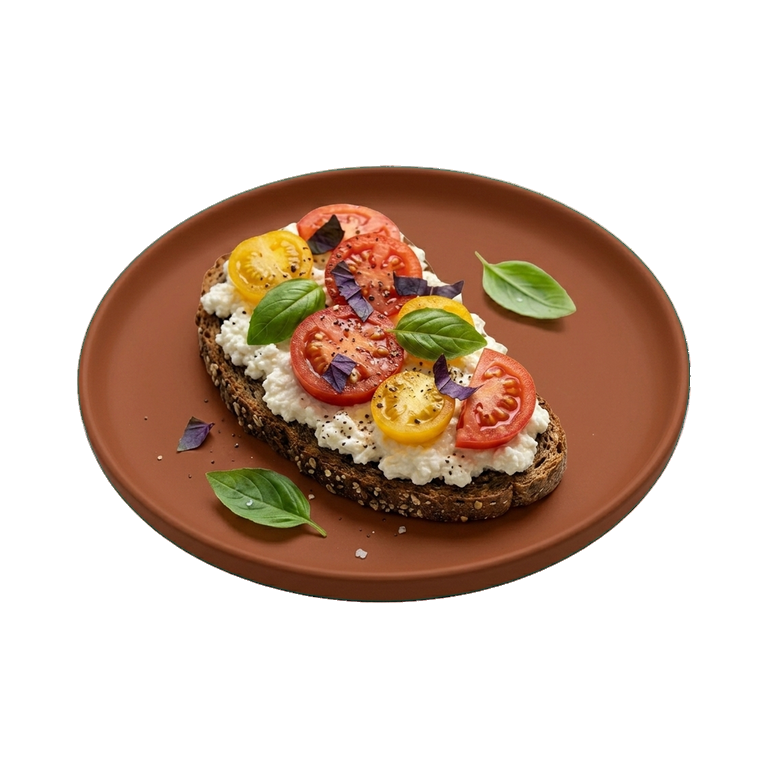
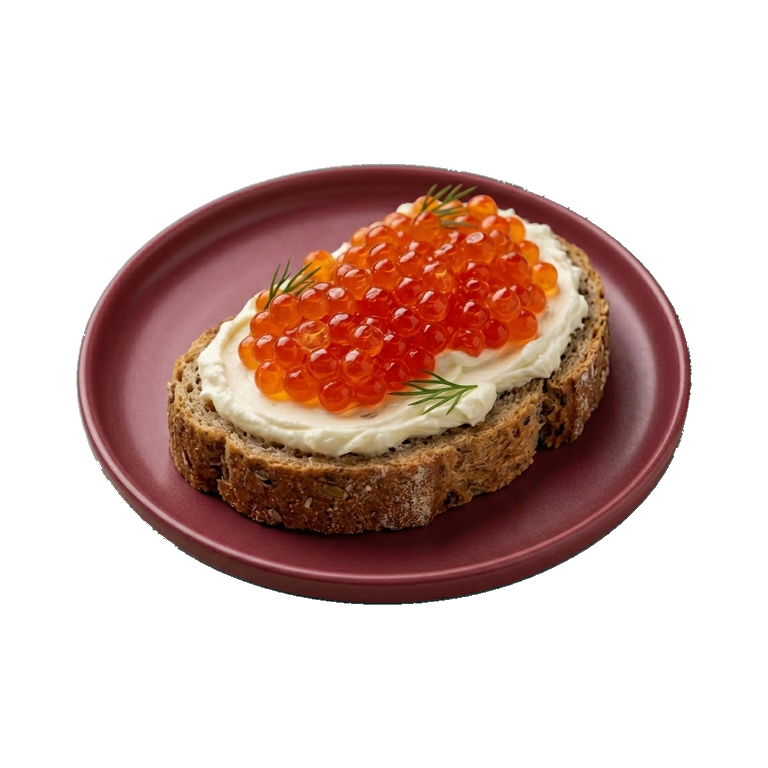
Fat-free soft cheese works well in cold dishes: on sandwiches, in salads, as a filling for vegetables or fruits. It can be spread on bread instead of butter or mixed with herbs for a quick sauce. When heated, it can lose moisture and become denser, so in hot dishes it's better to add it at the end of cooking or use it as a layer rather than as a main component.
- Vegetables: tomatoes, cucumbers, radishes, bell peppers
- Herbs: parsley, dill, basil, arugula
- Fruits: pear, apple, figs for sweetness contrast
- Bread: whole grain, rye, with seeds
- Honey and jam for sweet sandwiches
Selection and Storage
When buying, pay attention to the manufacturing date and expiration date — soft cheeses spoil faster than hard ones. The packaging should be intact, without damage. The cheese should smell fresh and milky, without sour or musty odors. Store it at home in the refrigerator in its original packaging or in an airtight container, away from products with strong odors. Usually, such cheese lasts 7–10 days after opening.
Low-fat soft cheese is not a substitute for full-fat cheese, but rather a standalone ingredient with a different role. Use it where you need tenderness and lightness, not richness.
Nutrition
per 100 g
- Calories
- 75 kcal
- Protein
- 14 g
- Fat
- 0.5 g
- Carbs
- 3 g
Measures and weight
- 1 tbsp
- 15.8 g
- 1 tsp
- 5.3 g
- 1 cup
- 262.5 g
Measure calculator
- Weight
- 100 g
- Calories
- 75 kcal