Usuba
Usuba
Nut Butter
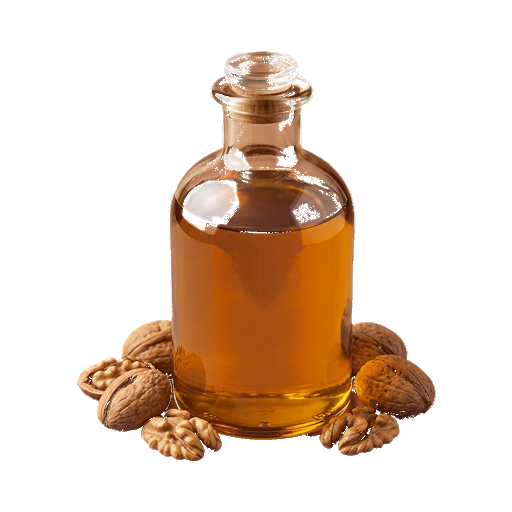
Nut butter is produced from various nuts through cold pressing, preserving natural flavor and nutrients. It features a rich nutty aroma and full-bodied taste, making it ideal for salad dressings, baking, desserts, and sauces. When choosing, pay attention to the production method — unrefined oil has a more pronounced flavor but oxidizes faster, so it's best stored in a cool place and used in cold dishes.
About
Nut butter is a concentrated extract from roasted or raw nuts, where all the beneficial fats, proteins, and minerals are pressed into a single spoonful. Such butter works as a flavor and texture enhancer in dishes, giving them depth and satiety. Unlike vegetable oils, nut butter is thick, rich, and requires understanding how to use it properly in the kitchen.
Aroma and Taste
The aroma of nut butter is strong and distinctive — either a sweet roasted flavor with nutty notes, or a more delicate, herbaceous scent of raw butter. The taste depends on the type of nut and processing method. Roasted butter is more powerful and vibrant, raw butter is more subtle and delicate. A single teaspoon can fill the entire flavor profile of a dish, so it should be added carefully and tasted as you cook.
Role in dishes
- A final touch to soups and creamy purees — a drop of oil reveals all the complexity of flavor
- Base for sauces and dips together with yogurt, lemon or spices
- Binding ingredient in vegan baking and energy bars
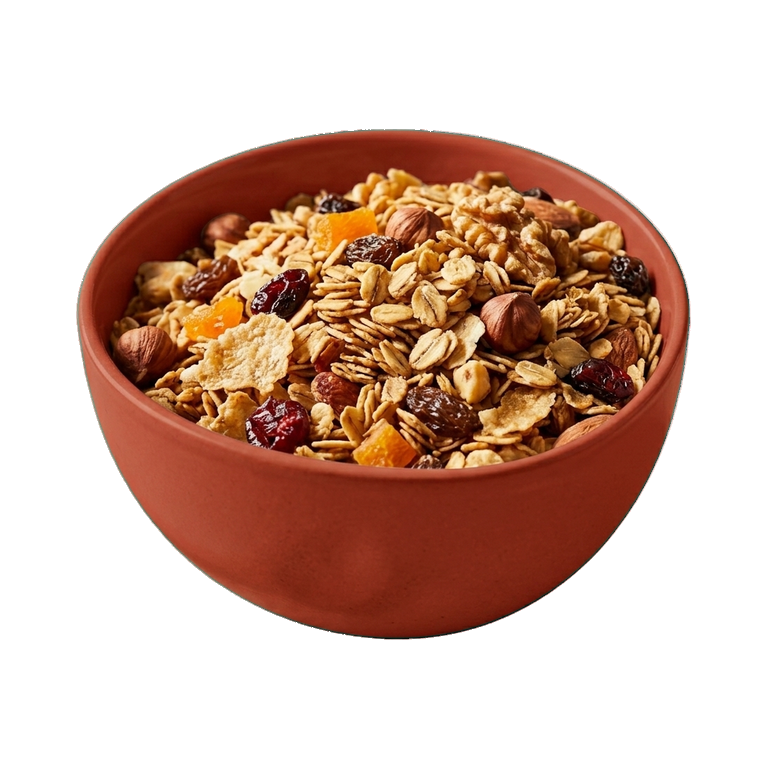
- Addition to porridge, muesli or smoothies for nutrition and creaminess
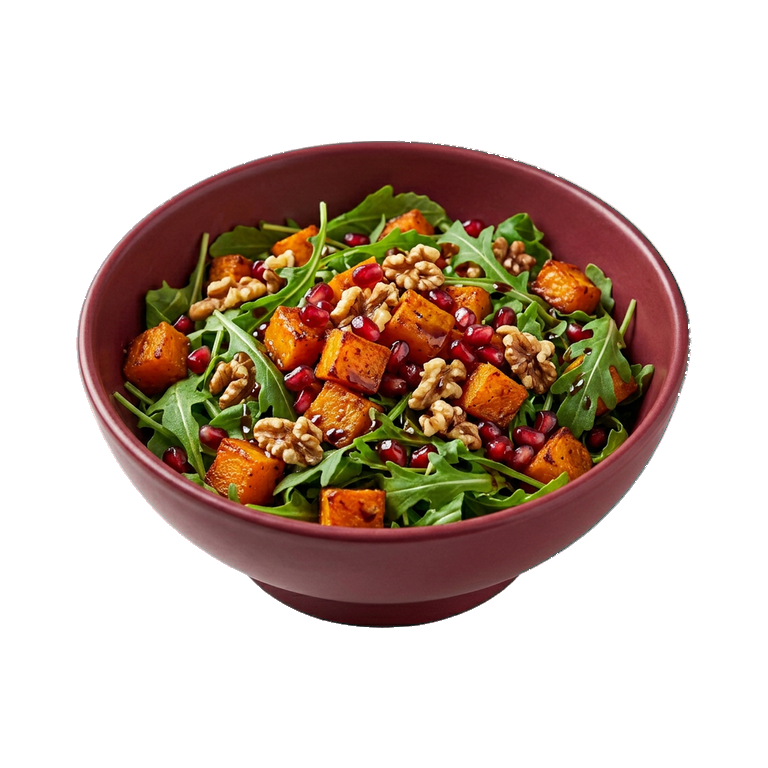
- Component of Asian marinades and salad dressings
Successful Combinations
Nut butter works well with acidity — lemon juice, vinegar, or yogurt balance its richness. Sweet notes are complemented by caramel, honey, and cinnamon. In vegetable dishes, the butter shines alongside root vegetables, herbs, and spicy seasonings. With meat and fish, the butter creates a deep sauce when diluted with broth or cream.
Selection and Storage
When purchasing, pay attention to the composition — quality oil contains only nuts and salt at most. Oil without additives may be slightly separated, which is normal. Check the date: oil oxidizes faster than it seems. Store in a dark glass jar in a cool place or in the refrigerator after opening. If the oil has thickened in the cold, place it at room temperature for a few minutes — it will become more pliable.
Practical Tips
- Do not heat nut butter at high temperatures — it loses its aroma and beneficial properties
- Start with half a teaspoon and add gradually to avoid overdoing it
- Dilute the oil in warm water or broth so it distributes evenly throughout the dish
- If the oil has separated, stir thoroughly before use or use as is — the oil and solid part are equally beneficial
Nutrition
per 100 ml
- Calories
- 899 kcal
- Protein
- 0 g
- Fat
- 99.9 g
- Carbs
- 0 g
Measures and weight
- 1 tbsp
- 13.8 g
- 1 tsp
- 4.6 g
- 1 cup
- 230 g
Measure calculator
- Weight
- 100 g
- Calories
- 977 kcal