Usuba
Usuba
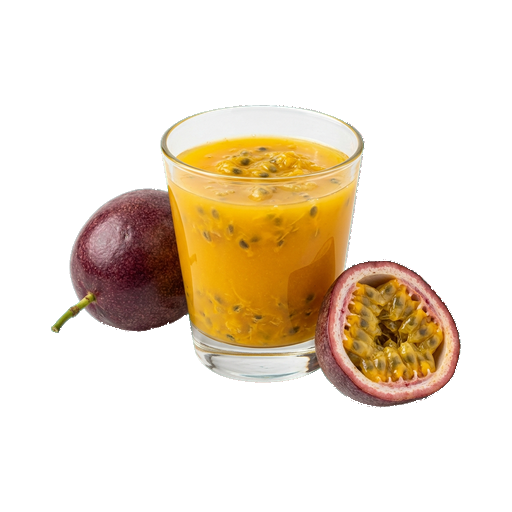
Passion fruit juice
Tart and aromatic juice with a distinctive tropical flavor derived from passion fruit. Used in cooking for preparing sauces, marinades, beverages, and desserts, adding freshness and depth of flavor to dishes. When choosing, prefer freshly squeezed juice or additive-free concentrate, as the quality directly affects the intensity of aroma and the balance of acidity in the finished dish.
About
Passion fruit juice is one of the most recognizable tropical juices thanks to its vibrant flavor and intense aroma. It is a liquid with a characteristic tartness and floral notes that immediately adds freshness and depth to any dish. In cooking, it is valued not so much for its nutritional content, but for its ability to transform the flavor profile of any dish — from desserts to main courses.
Aroma and Taste
Passion fruit juice has a piercing acidity with a subtle bitterness in the finish. Its taste is simultaneously sweet and tart — it is precisely this tension between the poles that makes it so interesting for a chef. The aroma is floral, almost perfume-like, with light fruity notes. Even a small amount of juice can fill a dish with a sense of the tropics.
Role in dishes
- In desserts, passion fruit juice works as an acidic counterpoint to sweetness — added to mousses, panna cotta, creams and glazes
- In cocktails and drinks, it provides bright acidity and an exotic backdrop, pairs perfectly with rum, vodka and sparkling wines
- In sauces for meat and fish, passion fruit adds fruity sweetness and acidity that helps cut through richness
- In salads and appetizers, it serves as a base for acidic vinaigrette or marinade
- In baking, it can replace part of the liquid in dough or become the base for filling
Combinations and Proportions
Passion fruit juice works wonderfully with vanilla, butter, white chocolate, and coconut. Its acidity balances sweet and fatty components, so it naturally fits into tropical combinations with mango, pineapple, and papaya. With spices — cinnamon, cardamom, and ginger — it creates a complex, multi-layered flavor.
Start small: 2–3 tablespoons per serving in sauces, 30–50 ml in cocktails, 100–150 ml per serving in desserts. Passion fruit juice is concentrated in flavor, so it's easy to overdo it. If the acidity seems too aggressive, dilute the juice with water or add sugar.
Selection and Storage
Freshly squeezed passion fruit juice is ideal, but in practice concentrated or reconstituted juice is more commonly used. Pay attention to the composition: good juice contains only passion fruit and possibly sugar, without thickeners and preservatives. The color should be yellow or orange, without cloudiness.
- Open juice stored in the refrigerator lasts 3–5 days in an airtight container
- Concentrated juice in a sealed package — up to a year at room temperature
- Freshly squeezed juice is best used on the day of preparation, but can last 2–3 days in the refrigerator
- Freezing juice is possible, but may affect delicate aromatic notes
If you are cooking with passion fruit for the first time, start with a cocktail or simple mousse. This will help you feel the character of the juice and learn to control its intensity.
Nutrition
per 100 ml
- Calories
- 48 kcal
- Protein
- 0.7 g
- Fat
- 0.1 g
- Carbs
- 11.2 g
Measures and weight
- 1 tbsp
- 15.5 g
- 1 tsp
- 5.2 g
- 1 cup
- 257.5 g
Measure calculator
- Weight
- 100 g
- Calories
- 47 kcal