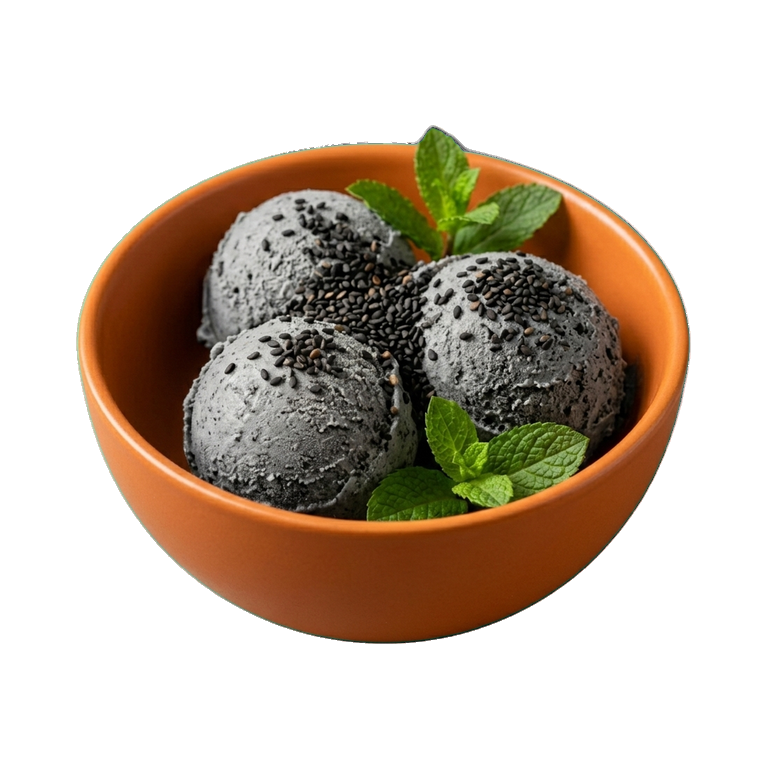
Usuba
Usuba
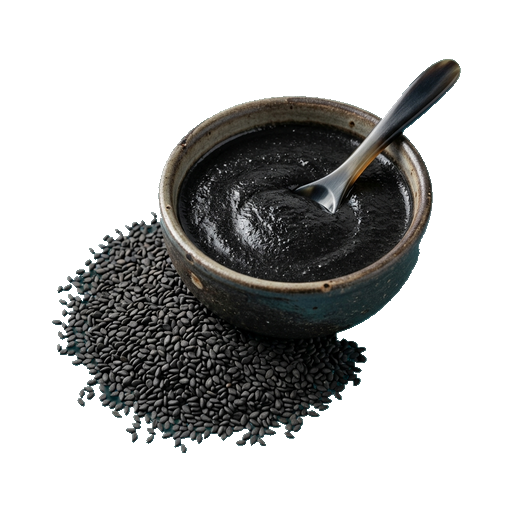
Black Sesame Paste
Black sesame paste is a thick, homogeneous mass made from roasted sesame seeds with a characteristic bitter, slightly nutty flavor and dark color. It serves as a base for sauces, is added to baked goods, desserts, and Asian dishes, giving them depth and richness. When choosing, pay attention to the composition — quality paste contains only sesame and minimal oil. When substituting, keep in mind that black sesame is more bitter than light sesame, so reduce the amount when using it for the first time.
About
Black sesame paste is not just a seasoning, but a full-fledged ingredient that changes the character of a dish. Unlike the more familiar sesame oil, the paste retains the texture of ground seeds and provides a denser, oilier consistency. Black sesame has a more intense, almost nutty flavor with a slight bitterness, which makes it less sweet than its white counterpart.
Aroma and Taste
Black sesame paste reveals itself differently depending on how you use it. When added to a hot dish, it imparts a deep, almost caramel tone with a smoky note. In cold sauces and dressings, the flavor remains fresher and more distinct, with a noticeable nutty base. The aroma is quite rich, so even a small amount of paste is noticeably present in the composition.
The bitterness in black sesame is not sharp, but rather noble — it adds complexity and prevents cloying. This makes the paste versatile: it works in both sweet and savory contexts, although in cooking it is more often used in non-sweet dishes.
Where and how to use
Black sesame paste works wonderfully in Asian cuisine — in noodle sauces, marinades for meat and fish, and salad dressings. You can dilute it with water or broth to create a liquid sauce, or keep it in its original consistency for a more intense flavor. Even a single spoonful of paste stirred into a sauce will give it depth and complexity.
Pasta pairs well with spicy ingredients — chili, mustard, ginger — and with acidic ones: vinegar, lemon, soy sauce. It can be added to soups, used as a base for sauce with grilled vegetables, or mixed with yogurt for a dip. In baking, black sesame paste is less common, but in some Eastern sweets it is added for depth of flavor.
Selection and Storage
When choosing paste, pay attention to the composition: ideally, it should contain only black sesame and possibly salt. Some manufacturers add oil to improve consistency — this is normal, but check that it is vegetable oil, not hydrogenated oil. The paste should be homogeneous, without lumps or layers, although a slight separation of oil on the surface is acceptable.
Store the paste in a tightly sealed jar in a cool place, away from direct sunlight. In the refrigerator, it can last for several months. If the paste thickens and becomes difficult to remove from the jar, add a little neutral oil and mix well. Before use, always check the smell — fresh paste smells of nutty sesame, without any mustiness or rancidity.
Practical Tips
- Start with half a teaspoon of paste per serving — the flavor is intense, and it's easy to add but difficult to remove
- For sauces, dilute the paste with water, broth, or soy sauce gradually to achieve the desired consistency
- If the paste tastes too bitter, mix it with something sweet — honey, sugar, or sweet sauce
- Paste holds its shape well in marinades and doesn't dissolve, so meat or vegetables get an even coating
Nutrition
per 100 g
- Calories
- 573 kcal
- Protein
- 17.7 g
- Fat
- 49.7 g
- Carbs
- 23.4 g
Measures and weight
- 1 tbsp
- 15 g
- 1 tsp
- 5 g
- 1 cup
- 250 g
Measure calculator
- Weight
- 100 g
- Calories
- 573 kcal