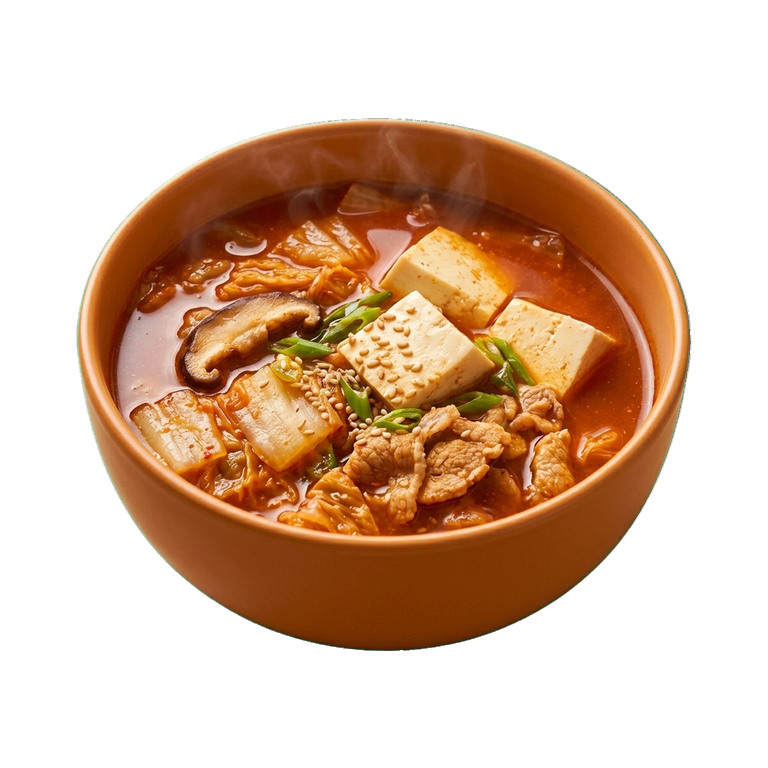
Usuba
Usuba
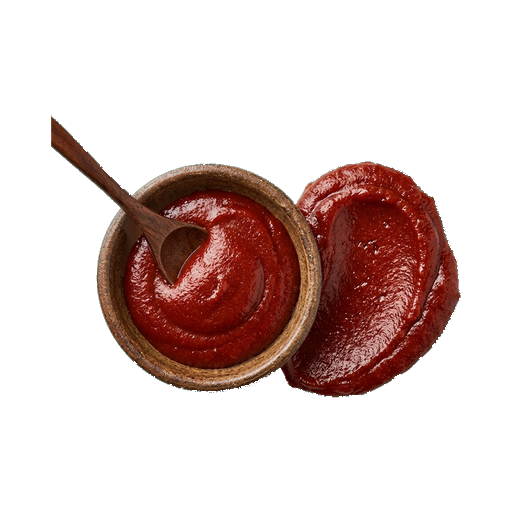
Gochujang paste
Spicy Korean red pepper paste with a characteristic hot flavor and a slightly sweet aftertaste. Used as a base for marinades, sauces, and seasonings for meat and vegetable dishes, as well as a standalone seasoning for rice. When selecting, pay attention to consistency — good paste should be homogeneous and not too liquid. When substituting with other hot sauces, keep in mind that gochujang imparts not only heat but also a characteristic fruity note to the dish.
About
Gochujang paste is a spicy Korean chili pepper condiment that has become indispensable in modern cuisine far beyond its homeland. Its deep red color and distinctive aroma immediately reveal its presence in a dish, while the taste is rich, multi-layered, with a pleasant heat and slightly salty notes.
Taste and Aroma
Khochodyan has a distinctly sharp profile, but it doesn't just burn — it contains sweet undertones and umami that unfold when heated. The paste smells of pepper, garlic, and fermented components, which give it a special depth. The intensity of the spiciness varies depending on the manufacturer, so it's worth checking the label before purchasing.
How to use in cooking
Gochujang paste works in several roles at once: as a marinade, as a base for sauce, or as a piquant addition to finished dishes. You can mix it with oil and soy sauce for dressing, combine it with mayonnaise for a spicy dip, or add it directly to dough for flatbreads. Fry it in oil before adding other ingredients — this way the flavor will reveal itself more brightly.
- Korean marinades for meat and vegetables
- Spicy sauces for rice bowls and noodles
- Filling for meatballs and cutlets
- Seasoning for soups and stews in the final minutes of cooking
- Base for spicy glaze for liver and seafood
Successful Pairings
Gochujang pairs well with garlic, ginger, and soy sauce — this is a classic trio of Korean cuisine. Add it to beef, chicken, and pork; it will enhance their flavor and add the right amount of heat. With seafood, the paste creates an interesting contrast: the spiciness balances the delicacy of shrimp or squid. Don't forget about acidity — lemon juice or rice vinegar will help balance the pungency.
Selection and Storage
When purchasing, pay attention to the consistency — the paste should be uniform, without lumps or layers. Check the ingredients: quality gochujang contains chili pepper, salt, fermented grains, and garlic, without unnecessary thickeners. Store an opened jar in the refrigerator in a tightly sealed container — the paste tolerates cold well and can last several months. If the paste is too thick, dilute it with oil or water before using.
- Store in the refrigerator at a temperature of 2–8 degrees
- Use a clean spoon each time you extract the paste
- Seal the jar tightly after each use
- Shelf life — usually 6–12 months depending on the manufacturer
Gochujang paste is not just a spicy condiment, but a tool for expanding your flavor palette. Start with small amounts to understand how it behaves in your dishes, and gradually experiment with dosages and combinations.
Nutrition
per 100 g
- Calories
- 200 kcal
- Protein
- 7 g
- Fat
- 2 g
- Carbs
- 38 g
Measures and weight
- 1 tbsp
- 18 g
- 1 tsp
- 6 g
- 1 cup
- 300 g
Measure calculator
- Weight
- 100 g
- Calories
- 200 kcal