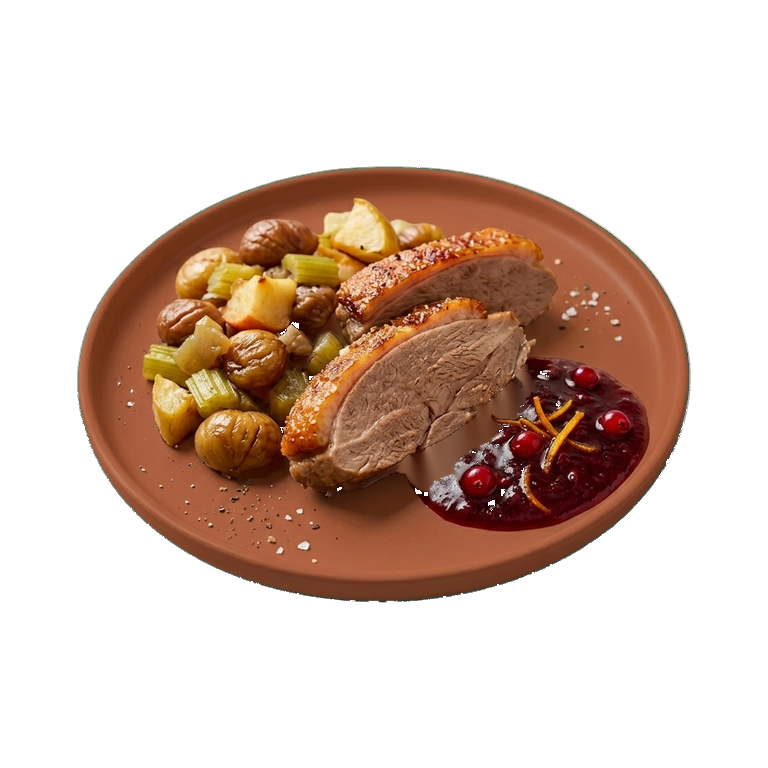
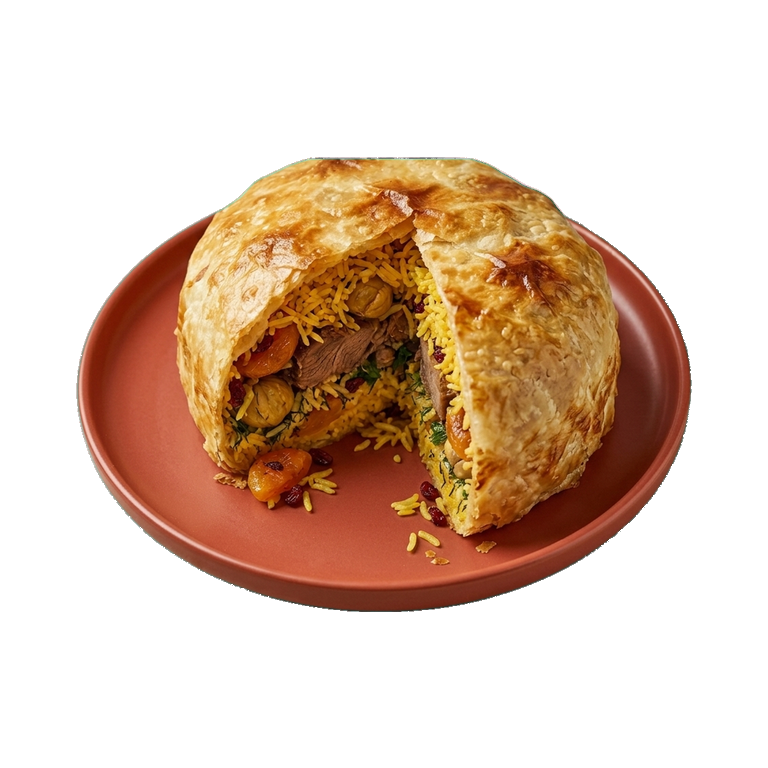
Usuba
Usuba
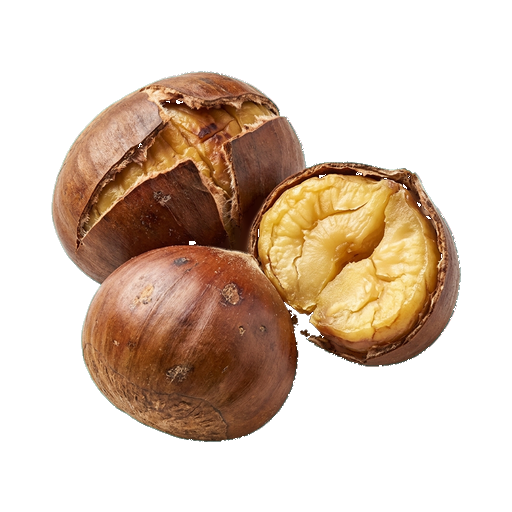
Roasted Chestnuts
Roasted chestnuts are nuts with soft, slightly sweet flesh and a delicate flavor, notably different from other nuts due to their lower fat content. After heat treatment, they become crumbly and easily peel from their skin, acquiring a tender consistency reminiscent of potatoes. They are used in desserts, side dishes, soups, and festive dishes, as well as eaten as a standalone snack; when selecting, it is important to ensure the shell is intact and there is no mold, as chestnuts spoil quickly if stored improperly.
About
Roasted chestnuts are not just a snack, but a full-fledged ingredient that transforms a dish with its delicate texture and slightly sweet taste. Unlike raw chestnuts, heat-treated nuts become softer, are easier to peel, and are ready to use straight from the package. This makes them a convenient choice for cooks who value both time and results.
Taste and texture
Roasted chestnuts have a soft, slightly crumbly flesh with a delicate nutty aroma and barely perceptible sweetness. They are not oily like most nuts, so they don't overload a dish with fat. The flavor is neutral enough to complement both sweet and savory dishes, yet distinctive and pleasant.
Where to use
- Add whole or halved to salads with autumn vegetables, leafy greens and cheese
- Use in poultry stuffing — chestnuts pair classically with chicken and turkey
- Mince and mix with ground meat for cutlets, pâtés or sausages
- Add to creamy soups made from mushrooms, pumpkin or root vegetables for delicate sweetness
- Use in desserts: chestnut purée, creams, mousses and even chocolate dishes
- Serve simply as a hot appetizer with salt or spices
Successful Pairings
Roasted chestnuts work well with mushrooms, especially porcini and chanterelles — their earthy flavor highlights the delicacy of the nut. They pair nicely with cinnamon, nutmeg, and cloves, making them ideal for autumn dishes. Red wine, balsamic vinegar, and dark chocolate also bring out their potential. In sweet dishes, chestnuts combine well with vanilla, caramel, and butter.
Selection and Storage
When purchasing, pay attention to the integrity of the packaging and the absence of mold. Chestnuts should be firm and free of any rotten smell. If you see oil at the bottom of the package — this is normal and does not indicate spoilage. Roasted chestnuts are stored in a cool, dry place for several months, and their shelf life is extended in the refrigerator. After opening the package, transfer the remainder to an airtight container.
- Room temperature: up to 2 months in a dry place
- Refrigerator: 3–4 months in an airtight container
- Freezer: up to 8 months if wrapped in plastic wrap
Roasted chestnuts are a find for those who want to add a special touch to familiar dishes without extra fuss. They are versatile, nutritious, and work well in both main courses and desserts. Try them in a new recipe and feel the difference.
Nutrition
per 100 g
- Calories
- 200 kcal
- Protein
- 2.9 g
- Fat
- 2.2 g
- Carbs
- 43 g
Measures and weight
- 1 pcs
- 15 g
Measure calculator
- Weight
- 100 g
- Calories
- 200 kcal