Usuba
Usuba
Tom yam chili paste
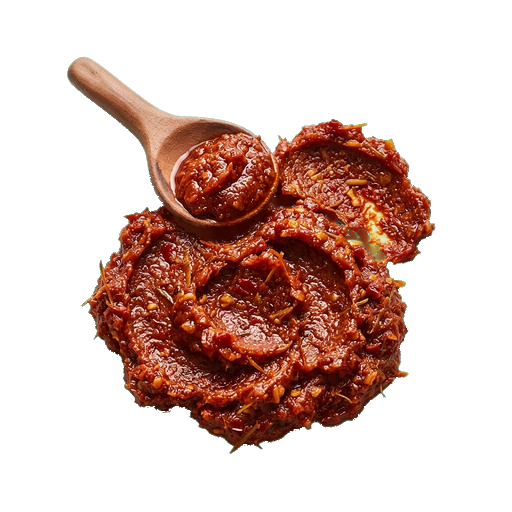
A spicy paste based on red peppers and spices, used as the foundation for traditional Thai tom-yam soup. Contains lemongrass, galangal, garlic, and chili pepper, which give it a distinctive hot flavor with floral and spicy notes. When used in cooking, it is diluted with broth or coconut milk, and when substituting, another spicy Asian paste can be used, although the original flavor profile may change.
About
Tom Yam pepper paste is a concentrated mixture of spices and aromatic ingredients that serves as the base for the eponymous spicy soup. In a jar or tube, you will find a ready-to-use component that eliminates the need to gather ingredients separately. This is not just a seasoning, but a full-fledged flavor foundation that sets the character of the dish from the first spoonful.
Aroma and Flavor Profile
Tom yum paste is a symphony of spicy, aromatic, and slightly sour flavors. Chili pepper dominates with its heat, but this is not a monolithic spiciness. It is supported by lemongrass with its characteristic fresh lemon notes, galangal with woody-spicy undertones, and lime, which add sourness. Garlic and onion provide depth, and sometimes the composition includes shrimp paste or fish sauce — they bring umami, that very fifth taste that makes the dish rich and satisfying.
The intensity depends on the manufacturer and recipe. One pasta can be mildly spicy, while another can be outright fiery. Before purchasing, it's worth checking the ingredients: the higher chili pepper appears in the ingredient list, the spicier the result will be.
How to use in cooking
A classic application is tom yum soup. Usually the paste is dissolved in hot broth (chicken, vegetable, or seafood), coconut milk, seafood or meat are added, and brought to a boil. One to two tablespoons of paste is enough per serving of soup, but it all depends on the desired spiciness and flavor concentration.
- Tom yum soup with shrimp or chicken — a classic
- Base for a spicy and sour sauce for noodles or rice
- Marinade for seafood before frying
- Additive to vegetable stew or curry to give it an Asian character
- Ingredient for dip sauce with the addition of yogurt or sour cream
Pasta is versatile: it works not only in soups, but also in salads, sauces, and marinades. The main thing is to remember that this is a concentrate, so start with a smaller amount, and then add to taste.
Selection and Storage
When choosing paste, pay attention to the composition. Quality paste contains natural ingredients: chili pepper, lemongrass, galangal, garlic, lime. Avoid options with an abundance of preservatives and thickeners. The color should be saturated red or brownish-red, and the consistency should be thick but spreadable.
Sealed pasta in a jar or tube is stored in a cool, dark place for months, and sometimes for a year or two, if there are no signs of spoilage. After opening, transfer the contents to a glass container with a tight-fitting lid and place it in the refrigerator — this way it will retain its freshness and aroma longer. Some chefs freeze pasta in portions in ice cube trays to use as needed.
Food Pairings
Tom yum pasta requires companions that soften its spiciness and create balance. Coconut milk is its ideal partner, it envelops, softens the heat and gives the dish creaminess. Lime enhances acidity and freshness. Fish sauce or soy sauce add saltiness and umami depth.
- Shrimp, squid, fish — seafood reveals pasta in a new way
- Chicken and beef — meat absorbs the spiciness and becomes more aromatic
- Mushrooms (button mushrooms, oyster mushrooms) — their umami enhances the pasta
- Vegetables: tomatoes, bell pepper, eggplant — add volume and texture
- Rice, noodles, rice noodles — neutral base that balances the spiciness
Remember: tom yum paste is not a background, but the main character of the dish. Other ingredients should support it, not overpower it.
Nutrition
per 100 g
- Calories
- 250 kcal
- Protein
- 3 g
- Fat
- 18 g
- Carbs
- 18 g
Measures and weight
- 1 tbsp
- 15.8 g
- 1 tsp
- 5.3 g
- 1 cup
- 262.5 g
Measure calculator
- Weight
- 100 g
- Calories
- 250 kcal