Usuba
Usuba
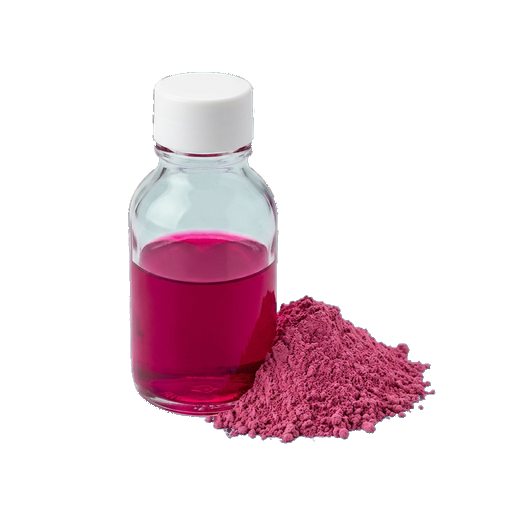
Pink food coloring
Pink food coloring is designed for tinting culinary products and beverages, imparting an attractive shade ranging from light pink to deep raspberry. It can be of synthetic origin or natural, derived from beets, berries, or cochineal, which affects its cost and organoleptic properties. When using, it is important to consider the concentration of the dye and compatibility with other ingredients — some colorants may interact with acids, alkalis, or fats, altering the intensity of the color.
About
Pink food coloring is one of the most versatile helpers in confectionery. It not only adds color but also creates a sense of tenderness and festivity in any dish. The coloring is easy to portion, distributes well in dough and creams without leaving streaks if used correctly.
Which food coloring to choose
There are three main types of food coloring on the shelves: gel, powder, and liquid dyes. Gel colorants are the most concentrated and economical, with just a drop being enough. Powders require more product, but they are convenient for dry mixes. Liquid dyes are the easiest to mix with creams and glazes, but they are less heat-resistant.
Where and how to use
- Butter creams and ganaches — dissolve the coloring agent beforehand in a small amount of hot water or add it to the liquid component
- Cookie and sponge cake dough — add the coloring agent last to avoid overmixing the batter
- Icing and royal icing — liquid coloring agent mixes most easily, gel coloring requires thorough stirring
- Fondant and modeling paste — add the coloring agent during kneading while the paste is still soft
Remember that during baking, the color may fade or shift slightly. If you need a vibrant result, add more coloring than seems necessary. Start small — it's better to add more than to overdo it and get an unnatural shade.
Storage and shelf life
Airtight packaging is the main condition for preserving the dye. Liquid dyes are stored in the refrigerator, gel and powder dyes — at room temperature in a dark place. With proper storage, dye does not lose its intensity for years. Check the expiration date on the package — usually it is 2–3 years.
Pairings with other ingredients
Pink works well with neutral flavors — vanilla, butter cream, white chocolate. If you add coloring to berry or fruit dough, keep in mind that natural pigments can interact with synthetic dye and change the shade. Test on a small portion before coloring a large volume.
If the dye doesn't mix well with the cream, dilute it in a teaspoon of vodka or lemon juice — this will speed up dissolution and won't affect the taste.
Nutrition
per 100 g
- Calories
- 0 kcal
- Protein
- 0 g
- Fat
- 0 g
- Carbs
- 0 g
Measures and weight
- 1 tbsp
- 15 g
- 1 tsp
- 5 g
- 1 cup
- 250 g
Measure calculator
- Weight
- 100 g
- Calories
- 0 kcal