Usuba
Usuba
Drinking alcohol
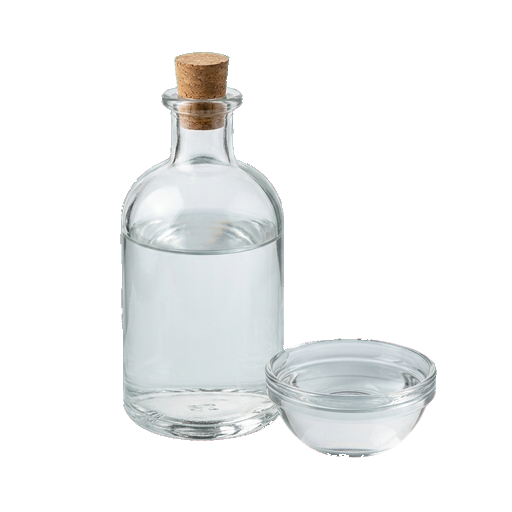
Drinking alcohol is a clear, colorless liquid with a characteristic sharp smell and burning taste, obtained through fermentation and distillation. In cooking, it is used for making tinctures, liqueurs, marinades, and certain sauces, as well as for flambéing dishes. When added to hot dishes, the alcohol evaporates, leaving only flavor components and helping to reveal the aromas of other ingredients.
About
Drinking alcohol is a clear liquid of high purity that serves as the basis for creating strong beverages and is used in cooking to extract flavors and aromas. Unlike technical alcohol, drinking alcohol has undergone special processing and is completely safe for consumption.
How Alcohol Works in the Kitchen
In cooking, food-grade alcohol is a universal helper. It dissolves both fat-soluble and water-soluble components simultaneously, making it ideal for preparing infusions, extracts, and liqueurs. Alcohol extracts the maximum flavor and aroma from ingredients that would remain inaccessible in water or oil.
When heated, alcohol evaporates, leaving behind a concentrated flavor. This property is used when deglazing a pan — a few milliliters of alcohol lift all the delicious browned bits from the bottom, while the alcohol itself evaporates without leaving a sharp aftertaste.
Practical Applications
- Tinctures and extracts: vanilla, spices, berries are infused in alcohol for 2–4 weeks, releasing all aromatic compounds
- Deglazing: add 50–100 ml to a hot pan after meat or vegetables, let it evaporate
- Marinades and sauces: alcohol enhances the penetration of flavors into the product and helps preserve it
- Desserts: used in mousses, creams, sweet sauces — evaporates when heated or whipped
Selection and Storage
Choose alcohol with a strength of 95–96% — this is the standard for culinary purposes. Weaker options contain excess water, which can disrupt the recipe. Check that the label indicates "drinking" or "food-grade" alcohol, not technical alcohol.
Store alcohol in a tightly sealed glass bottle in a dark place at room temperature. It does not spoil for years thanks to its own preserving properties. Keep away from heat and direct light — this will prevent evaporation and preserve its strength.
For culinary purposes, small quantities are often sufficient, so one bottle will last a long time. If you prepare tinctures regularly, it makes sense to keep alcohol on hand at all times — it's indispensable for experimenting with new flavors.
Nutrition
per 100 ml
- Calories
- 235 kcal
- Protein
- 0 g
- Fat
- 0 g
- Carbs
- 0 g
Measures and weight
- 1 tbsp
- 14 g
- 1 tsp
- 4.7 g
- 1 cup
- 232.5 g
Measure calculator
- Weight
- 100 g
- Calories
- 253 kcal