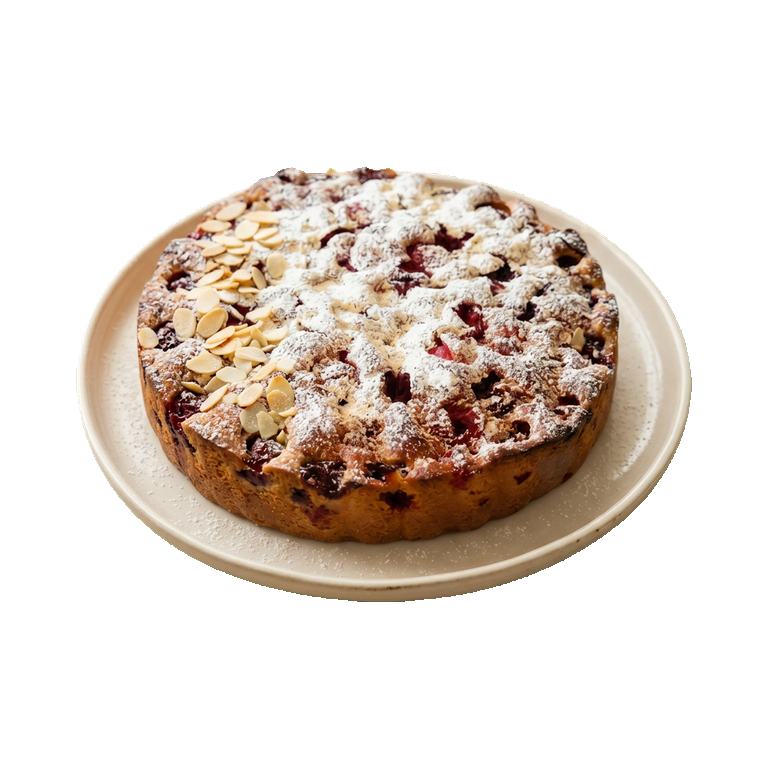
Usuba
Usuba
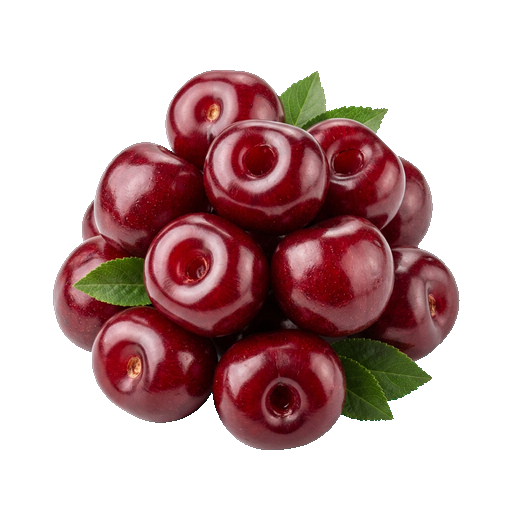
Pitted cherry
Pitted cherry is a berry with an intense sour and slightly astringent taste, ideal for baking, compotes, and jams thanks to its rich dark red color and firm flesh. Removing the pit makes it convenient for use in pie fillings, cakes, and desserts, as well as in sauces and marinades where no additional processing is required. When selecting, pay attention to the berry's integrity and absence of mold, and when storing frozen cherries, keep in mind that their acidity may intensify.
About
When cherry becomes more convenient
Pitted cherry is not just a berry, but a ready-made solution for those who value their time in the kitchen. The absence of a pit means you save about twenty minutes on cleaning and avoid the unpleasant moment when a guest unexpectedly bites into a hard stone in the middle of a dessert. The berry retains all the character of a regular cherry: the same bright tartness, astringency, and deep dark color, but it's much more pleasant to work with.
Taste and Aroma
Pitted cherries have the same balance of sweetness and acidity as regular ones, but without the distracting factor. The taste is pure, berry-like, with a subtle bitterness in the aftertaste. The aroma is characteristic cherry, slightly wine-like, which especially unfolds when the berry is heated. This is important for compotes, jams, and purees.
Where to use it
- Filling for pies, buns and syrniki — cherry holds its shape during baking and doesn't turn into mush
- Compotes and fruit drinks — cherry's tartness makes the drink refreshing, without the need to add lemon
- Jams and preserves — pitted cherries make the process faster, with a more uniform consistency
- Desserts, mousse, panna cotta — cherry works both fresh and as a puree
- Sauces for meat and poultry — cherry's astringency contrasts perfectly with fatty dishes
What to pay attention to when choosing
Pitted cherries come in fresh, frozen, and canned varieties. Fresh cherries should be firm, with shiny skin and no dents. Frozen cherries are more convenient to store and often cheaper — they are ideal for cooking. Canned cherries in syrup are ready to use, but keep in mind that they contain a considerable amount of added sugar.
Storage
- Keep fresh cherries in the refrigerator in a container for no more than 3–4 days
- Frozen ones — in the freezer for up to a year, without thawing before using in compotes and jam
- Canned ones — in a cool place in a closed jar, after opening transfer to glass dishes
Good neighbors
Cherry pairs easily with vanilla, cinnamon, clove, and black pepper. In sweet dishes, it is complemented by almonds, walnuts, and dark chocolate. In savory dishes, it works well with duck, beef, lamb, and even spicy spices. The tartness of cherry balances richness and adds complexity to a dish.
Nutrition
per 100 g
- Calories
- 52 kcal
- Protein
- 1.1 g
- Fat
- 0.3 g
- Carbs
- 12 g
Measures and weight
- 1 pcs
- 4 g
Measure calculator
- Weight
- 100 g
- Calories
- 52 kcal