Usuba
Usuba
Polenta
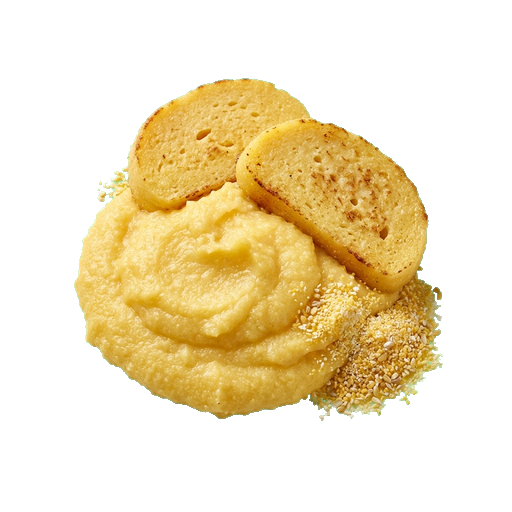
Polenta is a cornmeal porridge made from cornmeal or cracked grain, with a characteristic soft, slightly sweet taste. It is prepared by cooking in broth or milk until it reaches a thick porridge consistency, which is then often cooled, sliced, and fried or baked. In cooking, polenta serves as a versatile side dish for meat dishes and stews, as well as a base for casseroles and appetizers, readily absorbing the flavors of sauces and additions.
About
What is polenta and how to cook it
Polenta is coarsely ground cornmeal that is cooked in water or broth until it reaches the consistency of thick porridge. It can be served soft and creamy, straight with butter and cheese, or allowed to cool, sliced, and fried until crispy. It is a versatile side dish that works well in hearty main courses and as a base for appetizers.
Cooking polenta requires attention: the grain should be added slowly to boiling liquid while constantly stirring to avoid lumps. The process takes 20–40 minutes depending on the grind and type of grain. Ready polenta should easily pull away from the pot's sides. The key is not to rush and remember that it will continue to thicken as it cools.
Taste and aroma
Polenta has a soft, slightly sweet corn flavor with nutty notes. It absorbs the flavors of what you add to it well: butter and Parmesan make it rich and creamy, while vegetable or meat broth adds depth. The aroma depends on the quality of the grain — fresh polenta smells of grains, not flour.
Where to use polenta
Soft polenta is an ideal side dish for stews, braised meat, mushroom sauces, and fish. Its creamy texture contrasts well with rich, complex sauces. You can serve polenta with vegetables by adding them directly to the porridge in the final minutes of cooking.
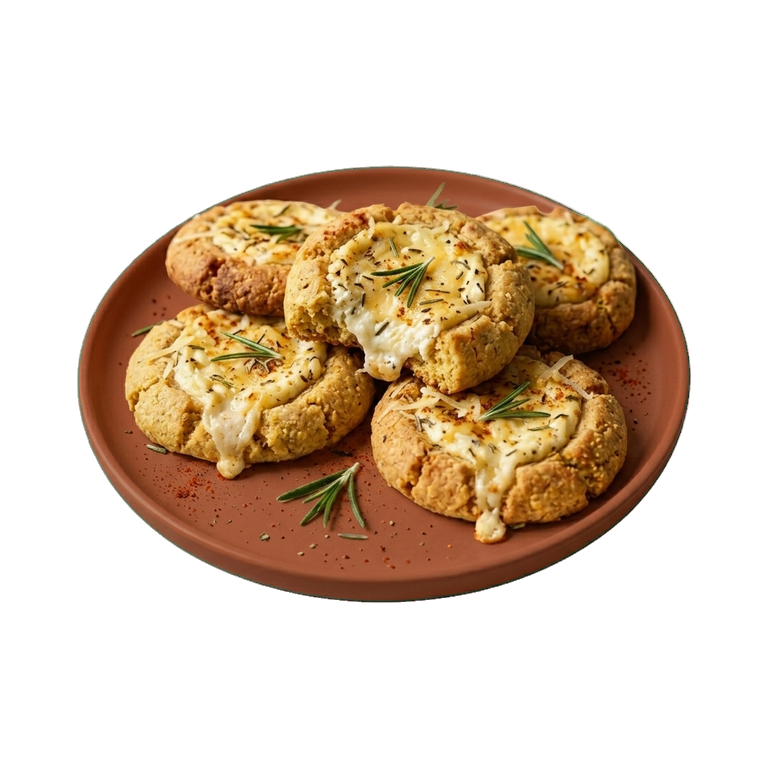
Chilled polenta is sliced and pan-fried to create a crispy appetizer or side dish with a golden crust. It can be served with tomato sauce, cheese, mushrooms, or any other toppings. This polenta works well as a base for canapés or as a standalone appetizer.
How to Choose and Store
Choose polenta from trusted stores — the grains should be yellow in color, without lumps and musty smell. Pay attention to the grind: for classic porridge, medium grain is suitable, for a smoother consistency — fine grind. Polenta is stored in a tightly closed container in a cool, dry place for up to a year, but it's better to use it within a few months after purchase while it retains its freshness and aroma.
Successful Pairings
- Butter, parmesan and black pepper for the classic version
- Porcini mushrooms, truffle oil and shallot for a festive dish
- Tomato sauce, basil and mozzarella for Italian style
- Beef broth and rosemary for a rich porridge
- Peas, corn and onion for a vegetable version
Polenta is not just a side dish, but a foundation for creativity. Its simplicity allows it to adapt to any cooking style and any ingredients you have on hand. Try it in different forms and with different additions to find your favorite way to prepare it.
Nutrition
per 100 g
- Calories
- 361 kcal
- Protein
- 7.8 g
- Fat
- 1 g
- Carbs
- 78 g
Measures and weight
- 1 tbsp
- 10.5 g
- 1 tsp
- 3.5 g
- 1 cup
- 175 g
Measure calculator
- Weight
- 100 g
- Calories
- 361 kcal