Usuba
Usuba
Polenta
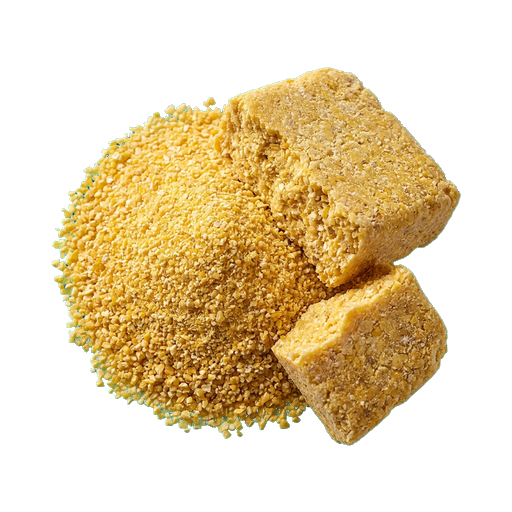
Valsugana polenta is a cornmeal from the Veneto region in northern Italy, made from a special corn variety with a sweet, slightly nutty flavor. This polenta has a coarser grind and golden color, making it ideal for preparing dense, creamy porridge with pronounced corn taste. During cooking, it requires careful stirring and sufficient time to release its characteristic aroma and achieve a uniform consistency. It is often used as a base for hot dishes or as a foundation for sauces and ragù.
About
What is this and why is it special
Polenta Valsugana is a medium-ground cornmeal from the northern regions of Italy. It is distinguished by its characteristic golden color and delicate consistency after cooking. Unlike coarser polentas, this version cooks faster and gives the dish a creamy texture. The corn kernels for it are selected with particular care, so the finished product has a clean, non-bitter taste with a light sweetness.
Taste and aroma
When cooked, polenta reveals a soft corn aroma with barely noticeable nutty notes. The taste is neutral and delicate — the grain easily absorbs the flavors of everything you add to it. This is exactly why it becomes an ideal base: it doesn't compete with the ingredients but enhances them. Finished polenta has a smooth, almost velvety texture.
How to Cook and Use
Polenta Valsugana is cooked for 20–25 minutes in a ratio of 1 part grain to 4 parts liquid (water, broth, or milk). During cooking, stir constantly to avoid lumps and burning. When the polenta thickens and begins to pull away from the sides of the pot, add butter and cheese — this is the classic way to serve it.
- Soft polenta — a side dish for stew, braised meat or mushrooms
- Chilled polenta is sliced and fried or baked with cheese
- Base for polenta porridge with vegetables and proteins
- Addition to soups for thickening and flavor enhancement
What pairs well with
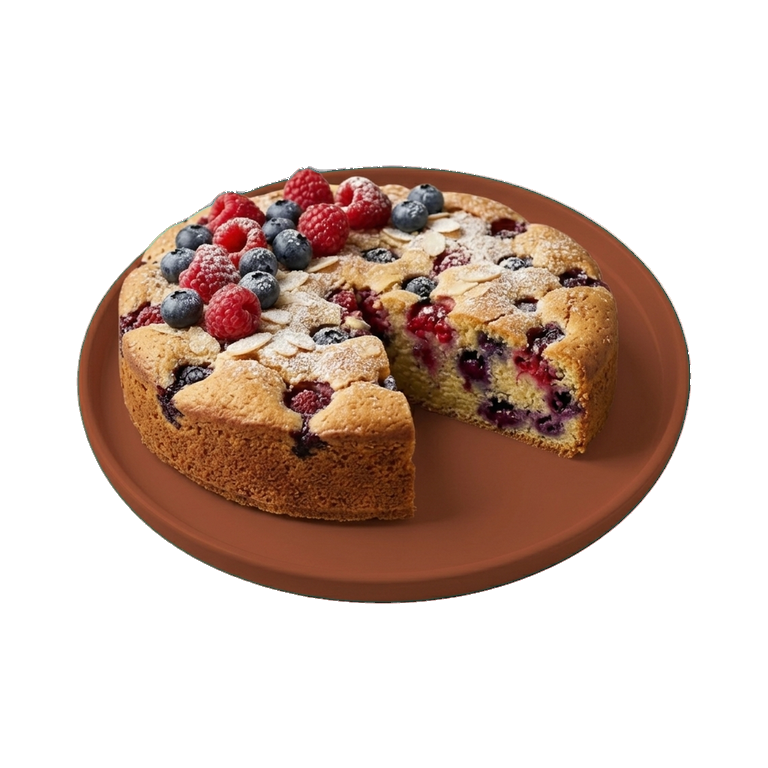
Polenta works well with rich sauces: bolognese, mushroom gravy, and tomato ragù. Butter and parmesan are classic accompaniments. It pairs beautifully with porcini mushrooms, truffle, bacon, and sausage. On the sweet side, polenta can become the base for a dessert with berries, honey, or chocolate.
Selection and Storage
When purchasing, pay attention to the color — it should be evenly golden, without gray or dull spots. Make sure the packaging is sealed and has no damage. The smell should be fresh, corn-like, without any moldy or musty notes.
Store polenta in a tightly sealed container in a dry, cool place protected from light. When stored properly, it maintains its quality for 6–8 months. Avoid storing it near strongly scented products — polenta easily absorbs foreign odors.
Nutrition
per 100 g
- Calories
- 350 kcal
- Protein
- 8 g
- Fat
- 1 g
- Carbs
- 77 g
Measures and weight
- 1 tbsp
- 10.5 g
- 1 tsp
- 3.5 g
- 1 cup
- 175 g
Measure calculator
- Weight
- 100 g
- Calories
- 350 kcal