Usuba
Usuba

Semi-dry champagne
Demi-sec champagne is a sparkling wine with residual sugar ranging from 32 to 50 grams per liter, which gives it a light sweetness while maintaining freshness and acidity. The flavor is characterized by fruity notes with honey and floral undertones, and the bubbles create a pleasant sensation on the palate. This champagne pairs well with desserts, fruit salads, and sweet appetizers, and can also serve as an aperitif for those who prefer less dry wines.
About
Semi-dry champagne strikes a golden mean between completely sweet and fully dry — it's an ideal choice for those who aren't ready for mineral dryness yet, but are tired of excessive sweetness. In a glass of such champagne, noticeable sweetness remains, but it doesn't overpower the natural fruity flavor and delicate notes of bread. The bubbles stay just as playful and lively, and the aftertaste becomes more harmonious thanks to the balance between sugar and acidity.
Taste and Aroma
To the taste, the semi-dry champagne reveals itself with apple, pear, and floral notes. The sweetness here does not overwhelm but rather emphasizes the fruitiness, creating a pleasant aftertaste. The aroma is light, with a hint of freshness and yeasty tones that appear during aging. This is not a sweet wine to be drunk only on New Year's night — it is a drink with character that you can offer to guests at any moment.
Role in the Kitchen
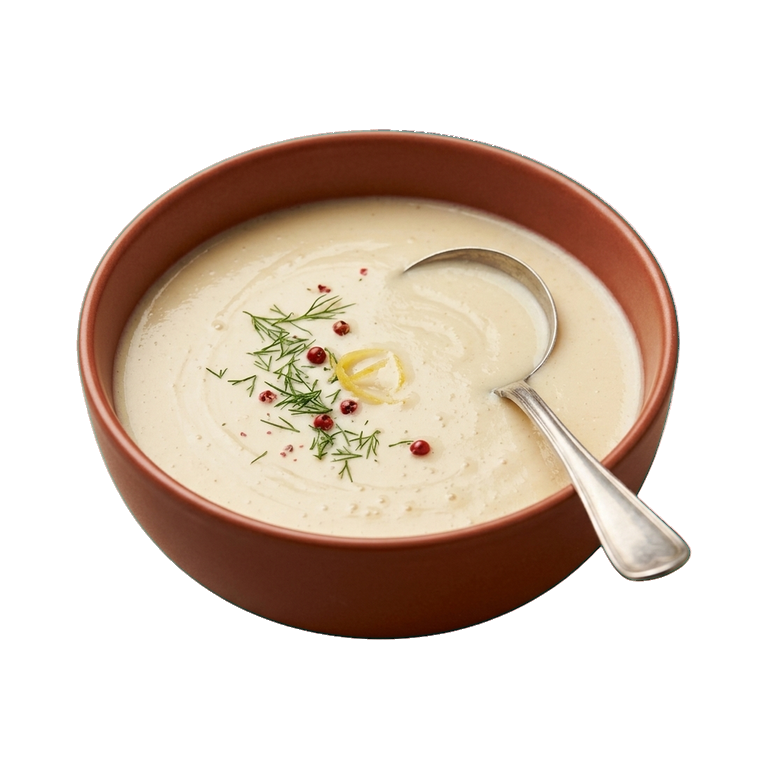
In the kitchen, semi-dry champagne works as a universal helper. It is added to sauces for seafood and poultry — it gives dishes lightness and elegance. For risotto or cream soup, it is an excellent choice: the sugar in its composition helps reveal creamy and delicate flavors, while acidity prevents the dish from becoming too heavy.
In desserts, semi-dry champagne becomes a highlight. It is used for poaching pears, making jellies, mousses, or panna cotta. Here, the sweetness of the wine doesn't compete with the recipe's sugar, but complements it, adding aromatic depth. Even a simple berry compote prepared with such champagne acquires a festive character.
What to serve with
- Seafood: oysters, shrimp, scallops — semi-dry wines soften saltiness and iodine notes
- White fish and delicate meat dishes — chicken, veal, rabbit
- Cheeses with delicate texture: mascarpone, ricotta, soft creamy varieties
- Fruits and berries: pears, peaches, strawberries, raspberries — natural continuation of the flavor profile
- Light appetizers: canapés with cream cheese, crème brûlée, panna cotta
Selection and Storage
When purchasing, check the label: semi-dry champagne (demi-sec) contains 32–50 grams of residual sugar per liter. This distinguishes it from dry (brut, up to 12 g/l) and sweet (doux, more than 50 g/l). The bottle should be intact, and the cork should be tightly sealed. The color of the liquid indicates quality: from light golden to amber. Cloudiness or sediment is a sign of storage problems or the drink's age.
Store semi-dry champagne in a horizontal position in a cool, dark place at a temperature of 10–15 degrees Celsius. Avoid sudden temperature fluctuations and direct sunlight — they destroy the delicate flavor profile. An opened bottle should be consumed within 24–48 hours, even if sealed with a special stopper. Young semi-dry champagne is enjoyed fresh, without aging for years — this wine is made for pleasure here and now.
Serve chilled to 8–10 degrees Celsius in tall, narrow glasses. This will allow the bubbles to rise beautifully and slowly, and the flavor to fully unfold. Open the bottle carefully, directing the cork to the side rather than upward — this way you'll preserve the gas and avoid spillage. The first sip is the moment when the wine reveals itself in all its glory.
Nutrition
per 100 ml
- Calories
- 88 kcal
- Protein
- 0.1 g
- Fat
- 0 g
- Carbs
- 5 g
Measures and weight
- 1 tbsp
- 14.8 g
- 1 tsp
- 5 g
- 1 cup
- 247.5 g
Measure calculator
- Weight
- 100 g
- Calories
- 89 kcal