Usuba
Usuba
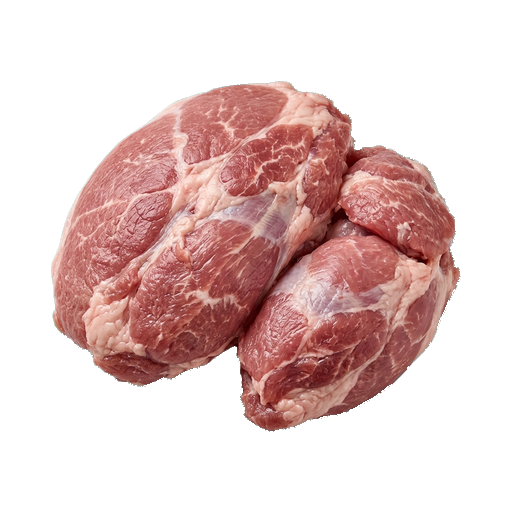
Pork jowl
Pork cheeks are meat from the animal's cheeks, characterized by high collagen and fat content, making them ideal for prolonged stewing and boiling. The meat has a tender texture after proper heat treatment, a rich meaty flavor with a subtle sweetness, and absorbs the aromas of spices and sauces well. Cheeks require slow cooking for at least 1.5–2 hours for the collagen to turn into gelatin and the meat to become soft; they are perfect for stews, soups, braised dishes, and pâtés.
About
Pork cheeks are one of the most rewarding cuts for prolonged braising. This is muscle tissue with layers of fat and connective tissue that, when properly prepared, transform into gelatin and give the dish a rich flavor and tender consistency. If you're looking for an ingredient that will make a simple stew or soup truly deep and complex, cheeks are exactly what you need.
Taste and texture
Pork cheeks have a pronounced meaty flavor with a barely noticeable sweetness. They are more aromatic than, say, tenderloin, because the working muscle accumulates more flavor compounds. When braised for two to four hours, the cheeks become so tender that they fall apart at the touch of a fork, and the broth surrounding them transforms into a thick, coating sauce.
How to cook
Cheeks require preliminary preparation: clean them of excess films and fat, but not completely — fat is needed for flavor and juiciness. Before stewing, it is advisable to sear the pieces on all sides over high heat to form a crust. This will seal the juices inside and add depth to the finished dish.
- Braising in wine or broth with vegetables (classic method, result — tender meat in thick sauce)
- Slow cooking in a multicooker or oven at low temperature (convenient when you need to cook for several hours)
- Soup or borscht (cheeks enrich the broth and become a delicacy in the bowl)
- Stew with root vegetables and spices (versatile dish that stores well and reheats nicely)
Flavor Pairings
Cheeks pair well with acidity: red wine, tomatoes, vinegar — all of this emphasizes the meat flavor and balances the richness. Spices work great too: black pepper, bay leaf, thyme, rosemary. For a more delicate approach, add carrots, celery, and onions — this classic trio will create an aromatic base.
Selection and Storage
When selecting cheeks, pay attention to the color — the meat should be pink or light red, without gray spots. The smell should be fresh, meaty, without any sourness. If the cheeks are sold in vacuum packaging, check the date. In the refrigerator they are stored for 3–4 days, in the freezer — up to three months. Before cooking, thaw in the refrigerator, not at room temperature.
Don't rush the cooking time. The cheeks only become truly tender after two hours of slow braising. Earlier — they remain tough, later — the meat may fall apart completely.
Pork cheeks are an investment of time that pays off completely. The dish turns out complex in flavor, homey in feeling, and impressive in result. If you're cooking on a weekend or have time for leisurely preparation, cheeks are an excellent choice for a family table or festive menu.
Nutrition
per 100 g
- Calories
- 263 kcal
- Protein
- 16 g
- Fat
- 22 g
- Carbs
- 0 g
Measure calculator
- Weight
- 100 g
- Calories
- 263 kcal