Usuba
Usuba
Pork knuckles
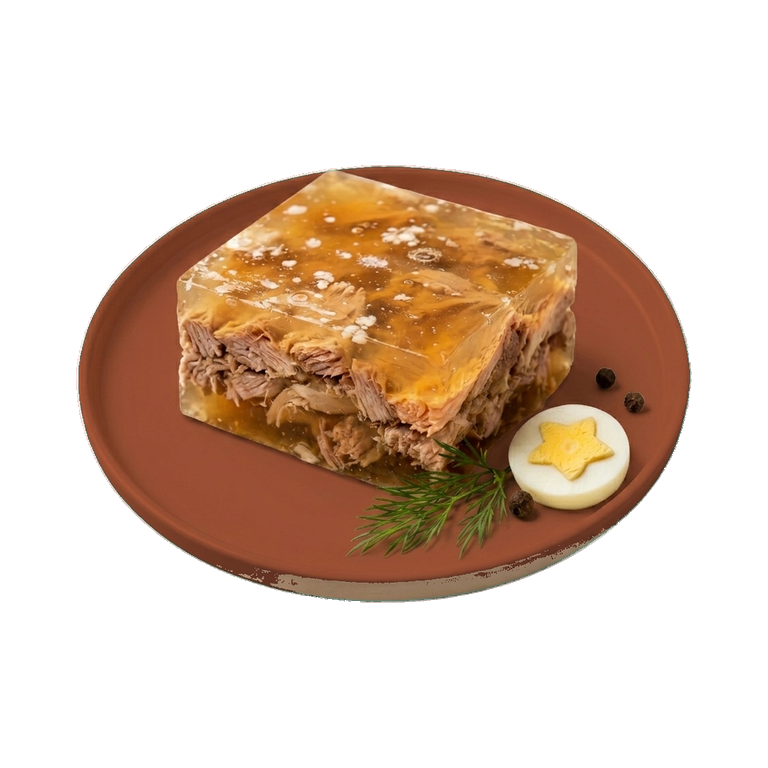
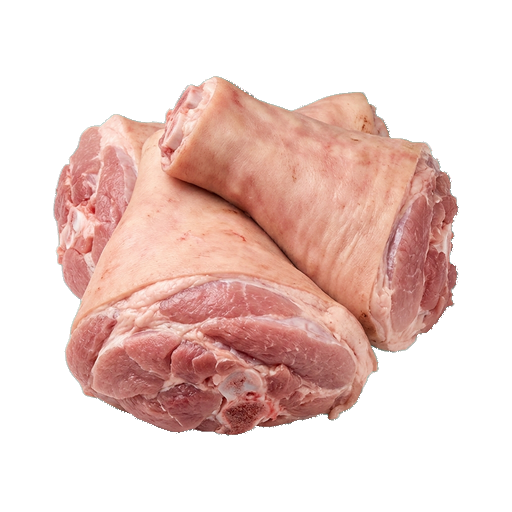
Pork knuckles are the lower part of the front or hind leg of a pig with bone and connective tissue that becomes tender and gelatinous with prolonged heat treatment. The meat on the knuckle contains a lot of collagen, making it ideal for boiling, braising, and making aspic, giving dishes a rich flavor and the desired consistency. When selecting, look for knuckles with pink meat and white fat, and avoid dark spots and unpleasant odors.
About
Pork knuckles are the front or hind leg of the animal with bone, meat, and cartilage. It is this combination that makes knuckles ideal for long braising: bone marrow enriches the broth, cartilage turns into gelatin, and the meat becomes tender and melts in your mouth. When you see a piece at the counter with a white bone in the middle and a layer of fat around the edges — that's what you need.
Taste and Texture
Shanks offer a deep, rich flavor — not spicy, but rather rounded and satisfying. The fat in this cut works as a natural flavor conductor: it doesn't make the dish heavy when cooked properly, but instead softens the texture and creates creaminess in the sauce. After an hour or two of braising, the meat easily separates from the bone, and the cartilage becomes tender without turning into mush.
How to cook
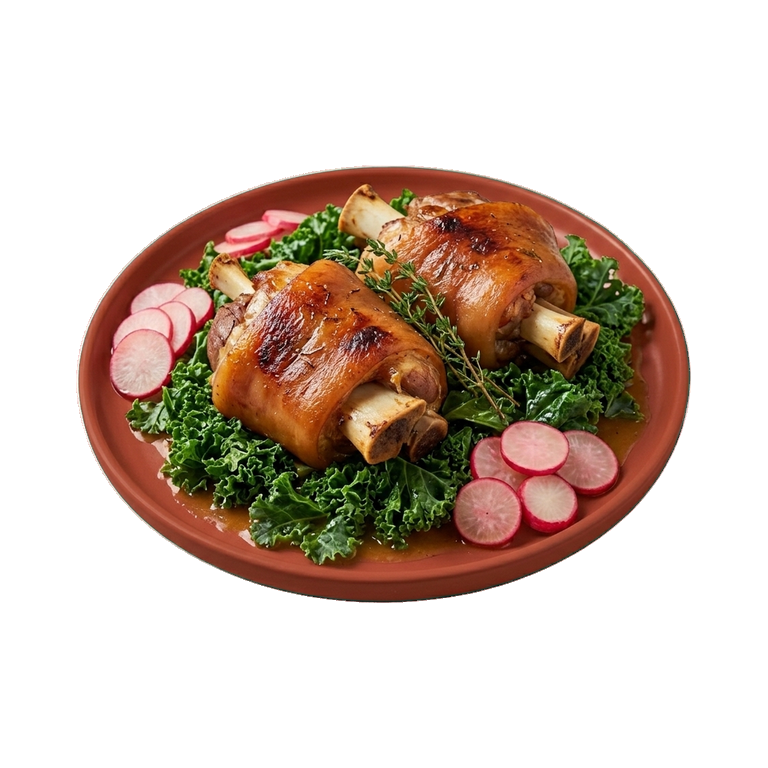
- Stewing — a classic method. Sear the knuckle on high heat until browned, then add vegetables, broth and simmer for 2–3 hours on low heat. Result: the meat falls off the bone on its own.
- Soup and broth. Knuckle produces a clear, aromatic broth with a pleasant viscosity due to gelatin. Ideal for soups where a good base is needed.
- Stew and similar dishes. Cut the meat into pieces after initial cooking — it will hold its shape and won't fall apart during the process.
- Baking. Knuckle tolerates the oven well at 160–180 degrees for 1.5–2 hours with vegetables and a small amount of liquid.
What goes well with knuckle of meat
Knuckle loves acidity and herbs. Add tomatoes, red wine, vinegar — they balance the richness and bring out the flavor. Vegetables that work well are carrots, celery, onions, and potatoes. Herbs like rosemary, thyme, or bay leaf enhance the aroma. Spices — black pepper, juniper, cloves — add depth.
Selection and Storage
When purchasing, look at the color of the meat — it should be pink or light red, without any gray tint. The bone should be white, without darkening. The smell should be fresh, meaty, without sourness. Shanks are stored in the refrigerator for 2–3 days in an airtight container, in the freezer — up to three months. Before cooking, let it thaw in the refrigerator, not at room temperature.
Practical tip
If you're cooking for the first time, don't be afraid of long braising — it's difficult to overcook a shank. On the contrary, the longer it simmers, the better it becomes. Put it on the stove in the morning over low heat, and by lunch you'll have a restaurant-quality dish. The fat that floats to the surface during cooking can be skimmed off with a spoon if you want to lighten the sauce.
Nutrition
per 100 g
- Calories
- 260 kcal
- Protein
- 18 g
- Fat
- 20 g
- Carbs
- 0 g
Measures and weight
- 1 pcs
- 800 g
Measure calculator
- Weight
- 100 g
- Calories
- 260 kcal