Usuba
Usuba
Furikake seasoning
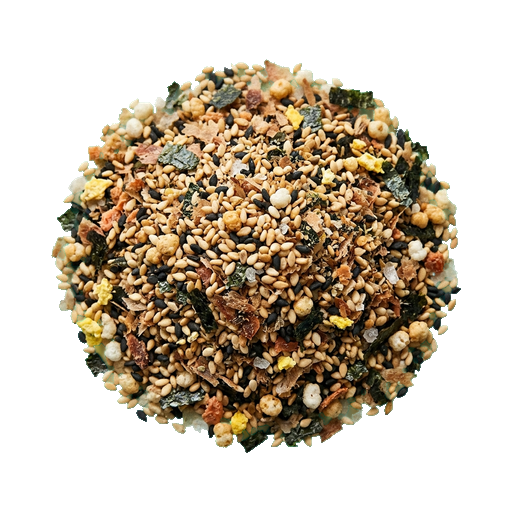
Furikake is a Japanese seasoning blend made from dried seaweed, sesame seeds, dried fish, and other ingredients that adds a salty, umami-rich flavor with a subtle fishy note to dishes. It is sprinkled over rice, noodles, vegetables, and snacks to enhance depth of flavor and texture. When choosing furikake, pay attention to the ingredients — quality furikake contains natural components without excess preservatives, and it should be stored in a tightly sealed container, protected from moisture and odors.
About
Furikake is a Japanese seasoning that transforms a simple dish into something vibrant and multi-layered. It doesn't replace the main flavor, but enhances it, adding texture and depth. If you haven't tried it in your kitchen yet, it's time to get acquainted with this versatile helper.
What's inside and how it works
Furikake consists of several components, each contributing its own flavor. The base is typically dried nori seaweed, which provides a salty umami note. To this, sesame seeds (white and black) are added, creating a nutty flavor and pleasant crunch. The mixture often includes bonito fish flakes, which shimmer and dance when they come into contact with hot food due to the heat — this not only looks striking but also enhances the aroma. The composition is completed with sea salt and sometimes a touch of sugar for balance.
Taste and Aroma
Furikake reveals itself as a moderately salty, slightly sweet mixture with a pronounced oceanic character. The aroma is fishy, but not sharp—rather delicate and enticing. Texture plays an important role: crispy sesame seeds contrast with soft nori flakes and thin bonito threads. All this creates a multi-layered sensation in the mouth that doesn't become tiresome even with frequent use.
Where it is used
- On rice — the classic way. Hot rice absorbs the aroma, the seasoning softens slightly, but retains its crunch.
- On eggs: omelets, fried eggs, boiled eggs. Furikake here acts as an alternative to salt and pepper.
- On avocado and toast. The contrast of creamy texture with crunchy seasoning works perfectly.
- On salads instead of or over traditional dressing. Adds salt, aroma and interesting texture.
- On sushi and rolls. Here it complements rather than competes with the main ingredients.
- On popcorn, vegetable chips, roasted nuts. Transforms a simple snack into a delicacy.
- On cream soups and purees. A pinch adds contrast and awakens the appetite.
How to dose
Furikake is a concentrated seasoning, so a pinch is often enough. Start with a small amount, taste it, then add more if needed. For a plate of rice, one heaping teaspoon will suffice. If you're using it on delicate dishes like cream soup, be careful — the seafood flavor can overpower other tastes. On avocado or eggs you can be more generous, as these products pair well with it.
Selection and Storage
When buying, pay attention to the color — quality furikake looks like a colorful mixture of black, white, and reddish hues. Avoid clumped pieces. The smell should be briny, but not musty. Store the seasoning in a tightly sealed glass jar in a cool, dark place — moisture and light are enemies of its crunchiness and aroma. With proper storage, furikake retains its properties for several months. If you notice that the seasoning has lost its crunch or the smell has become unpleasant, it's better to replace it.
Combinations and Experimentation
Furikake works well with simple ingredients: white rice, eggs, butter, avocado, and tomatoes. It doesn't clash with lemon and lime; instead, it enhances their freshness. With spicy sauces, furikake can compete for attention, so use it either as a substitute for heat or just a pinch. Try sprinkling it on dishes with delicate flavors — cottage cheese, soft cheeses, creamy sauces. The result is often pleasantly surprising.
Furikake is a little helper that teaches you to see the potential in simple ingredients. One pinch, and an ordinary breakfast becomes more delicious.
Nutrition
per 100 g
- Calories
- 370 kcal
- Protein
- 15 g
- Fat
- 15 g
- Carbs
- 38 g
Measures and weight
- 1 tbsp
- 9 g
- 1 tsp
- 3 g
- 1 cup
- 150 g
Measure calculator
- Weight
- 100 g
- Calories
- 370 kcal