Usuba
Usuba
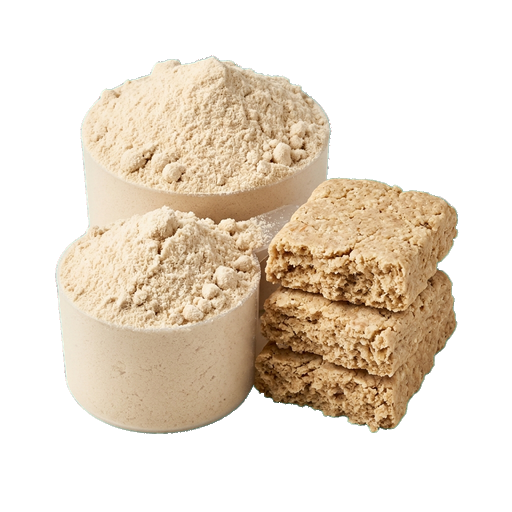
Protein powder
Protein is a concentrated source of protein derived from milk, eggs, soy, or other products through purification and drying. In cooking, it is used as a powder to enrich baked goods, beverages, desserts, and smoothies, adding nutritional value without significantly altering taste. When choosing, it is important to pay attention to the composition and type of protein — whey is quickly absorbed, casein is absorbed more slowly, and plant-based options are suitable for vegan recipes.
About
What is protein in cooking
Protein is a concentrated source of protein derived from milk, eggs, whey, or plant-based sources. In the kitchen, it serves as a universal helper: it binds ingredients, gives structure to baked goods, creates airiness in mousses and cocktails, and makes dishes more satisfying. It's not just a sports supplement — it's an ingredient that transforms the texture and nutritional value of the finished dish.
Types of Protein and Their Application
- Whey protein — dissolves quickly, ideal for creams, smoothies and beverages. Provides a smooth consistency.
- Casein protein — dissolves more slowly, suitable for dense desserts and protein bars.
- Egg protein — excellent binding agent in baking and omelets, helps achieve a fluffy structure.
- Plant-based protein (from peas, rice, hemp) — for vegan dishes, although may impart a slight aftertaste.
How to Use Protein in Cooking
Add protein in small amounts — usually 20–30 grams per serving. It works well in panna cotta, yogurt creams, protein cupcakes, and bars. For liquid dishes (drinks, sauces), simply stir the protein into cold liquid; for baking, mix it with flour or add it to the batter. Important note: when heated above 60 degrees, protein begins to denature, so for hot dishes add protein at the end of cooking or use it for cold desserts.
What pairs well with protein
- Fruits and berries — a classic combination in smoothies and mousses
- Nuts and seeds — add texture and flavor contrast
- Cocoa and vanilla — mask the neutral taste of protein
- Honey and dried fruits — natural sweet partners
- Oat flour and cereals — for protein bars and cookies
Selection and Storage
When choosing, pay attention to the composition — the fewer additives and sweeteners, the more versatile the protein is to use. Neutral flavors (vanilla, unflavored) are easier to combine with other ingredients. Check the manufacturing date and storage conditions on the package.
Store protein in a tightly sealed container in a cool, dry place, protected from light and moisture. Humidity is the enemy of protein, as it causes clumping and spoilage. The shelf life is typically 12–18 months under proper conditions. After opening the package, use the protein within two to three months.