Usuba
Usuba
Wheat flour, second grade
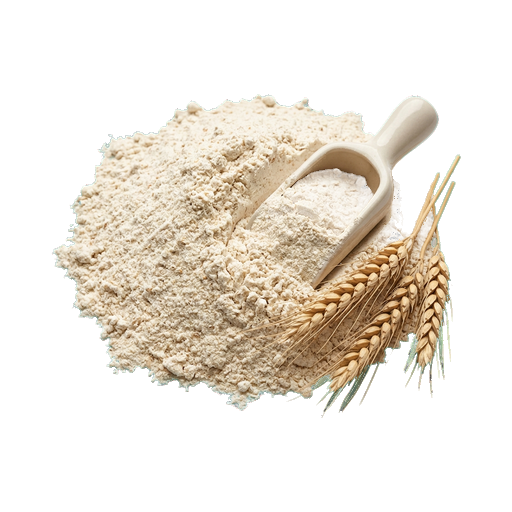
Second grade wheat flour contains more bran and germ than premium flour, which gives it a cream tint and a more pronounced bread flavor. It is well-suited for baking bread, buns, and homemade pies, providing the dough with better structure and longer freshness retention. When working with this flour, it is important to note that it requires slightly more liquid in the dough and produces a denser crumb compared to premium grade flour.
About
Second grade wheat flour is the workhorse of the home kitchen. It contains more grain bran and husks than the highest grade, which is why it's darker with visible dark specks. This peculiarity makes it universal: it's not only cheaper but also more nutritious, with a more pronounced bread flavor.
What will be the result
Baked goods made from second-grade flour have a denser crumb and more saturated flavor. Bread comes out with a crispy crust, buns are slightly coarse, but this is not a drawback, it's character. Pancakes and fritters become more filling. For thin pastry products like dumplings or noodles, it is less suitable — the dough can be stiffer than desired.
Where to use it
- Rye and wheat bread, baguettes, rolls
- Pancakes, fritters, cottage cheese pancakes, potato pancakes
- Pies, pastries, open-faced pies
- Cookies, cupcakes, muffins — everything where you want a more pronounced grain flavor
- Breadcrumbs for cutlets and fish
How to Choose and Store
When purchasing, pay attention to the packaging date — flour oxidizes over time and loses its properties. The packaging should be intact, without damage. Store flour in an airtight container or tightly sealed bag in a cool, dry place, away from spices and products with strong odors — it easily absorbs foreign aromas.
If a recipe calls for premium flour but you only have second-grade flour, sift it several times through a fine sieve — this will slightly improve the structure and remove some of the larger bran particles.
Nutrition
per 100 g
- Calories
- 329 kcal
- Protein
- 11.6 g
- Fat
- 1.6 g
- Carbs
- 64.9 g
Measures and weight
- 1 tbsp
- 9 g
- 1 tsp
- 3 g
- 1 cup
- 150 g
Measure calculator
- Weight
- 100 g
- Calories
- 329 kcal