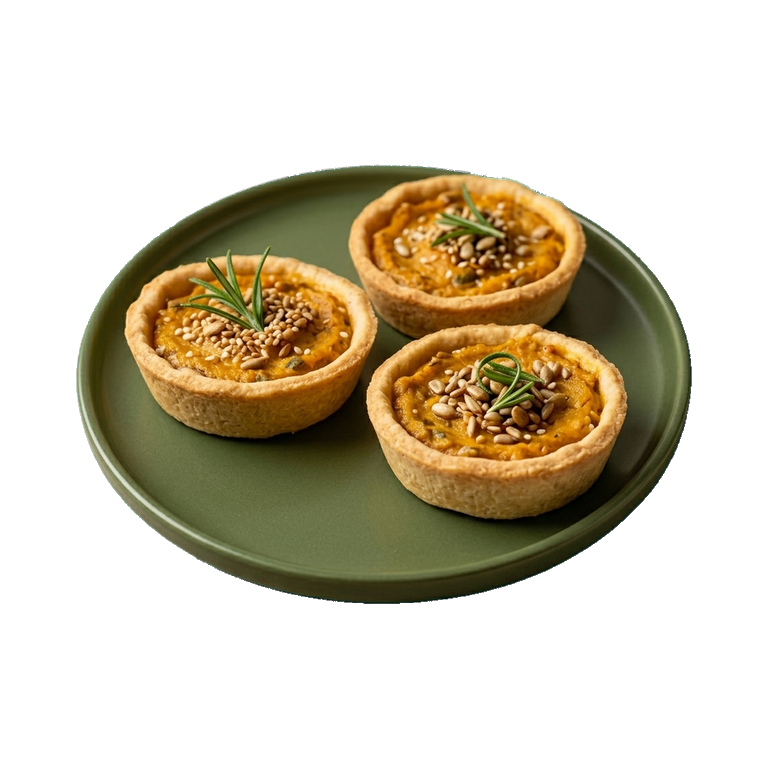
Usuba
Usuba
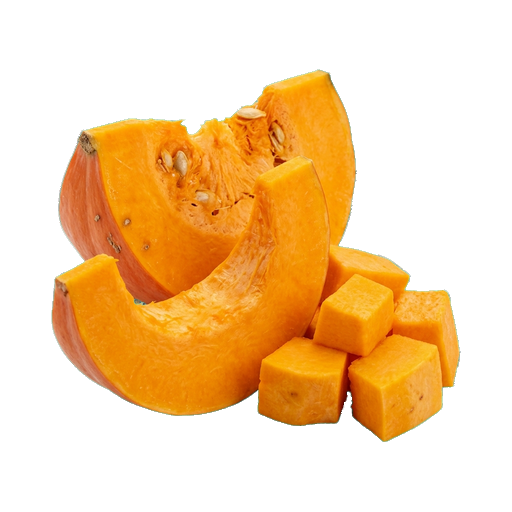
Pumpkin flesh
Pumpkin flesh is a sweet and tender vegetable with a soft texture that easily transforms into puree or cubes when cooked. Its subtly sweet, slightly nutty flavor works well in soups, side dishes, baked goods, and desserts, and also pairs nicely with savory spiced dishes. When selecting, look for firm skin without damage, and keep in mind that different pumpkin varieties vary in moisture content and sweetness, so cooking time may vary accordingly.
About
Pumpkin flesh is one of the most versatile vegetables in the kitchen. Its slightly sweet taste, dense texture, and ability to absorb the flavors of neighboring ingredients make it indispensable in both sweet and savory dishes. Working with pumpkin is simple: you just need to choose a ripe fruit and prepare it properly.
Taste and aroma
Ripe pumpkin has a soft, slightly nutty flavor with natural sweetness. The aroma is delicate and earthy, especially pronounced when baked or stewed. Young pumpkin is more watery and neutral in taste, but absorbs spices well. Mature pumpkin becomes denser and sweeter — it's best used for puree, cream soup, or desserts.
Role in dishes
- Soups and cream soups — pumpkin creates a creamy consistency without adding cream
- Side dishes — baked, stewed or fried pumpkin flesh is good as a standalone dish
- Porridges and risotto — adds sweetness and volume
- Baking and desserts — pumpkin puree is perfect for pies, muffins, cookies
- Sauces and pastas — pumpkin becomes the base for creamy pasta sauces
Successful Pairings
Pumpkin pairs well with spices: cinnamon, nutmeg, ginger, and clove enhance its sweetness. On the savory side, garlic, rosemary, thyme, and sage work well. Pumpkin combines nicely with coconut milk, butter, bacon, walnuts, and seeds. In sweet dishes, it's complemented by vanilla, caramel, and black pepper.
Selection and Preparation
When selecting a pumpkin, pay attention to its density and weight — a ripe pumpkin is heavy for its size. The skin should be hard, without soft spots or cracks. A dried, brown stem is a sign of maturity. Avoid fruits with dents and damage.
- Wash the pumpkin under running water and dry it
- Cut off the top with a sharp knife, then cut in half
- Scrape out the seeds and fibers with a spoon or special knife
- Cut the flesh into cubes or slices, depending on the recipe
- To make peeling easier, you can bake the halves in the oven for 15–20 minutes at 200 °C, then remove the flesh with a spoon
A whole undamaged pumpkin is stored in a cool, dry place (basement, pantry) for several months. Wrap the cut flesh in plastic wrap and place it in the refrigerator — it will last 5–7 days. Frozen pumpkin (in cubes or puree) retains its properties for up to 3 months. Ready-made puree in an airtight container in the refrigerator is good for a week.
If you need pumpkin pulp quickly, buy pre-cut pumpkin at the store. This saves time on preparation, although freshly cut pumpkin is always tastier and more aromatic.
Nutrition
per 100 g
- Calories
- 26 kcal
- Protein
- 1 g
- Fat
- 0.1 g
- Carbs
- 6.5 g
Measures and weight
- 1 tbsp
- 10.5 g
- 1 tsp
- 3.5 g
- 1 cup
- 175 g
Measure calculator
- Weight
- 100 g
- Calories
- 26 kcal