Usuba
Usuba
Pumpkin oil
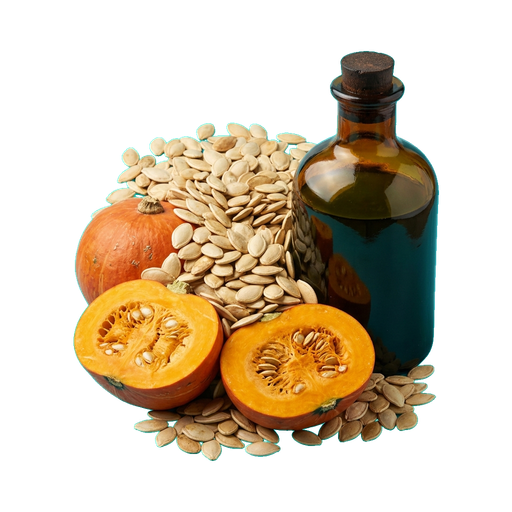
Pumpkin seed oil has a rich dark green color and a pronounced nutty flavor with a slight bitter note. It is primarily used as a dressing for salads, soups, cereals, and desserts, and is also added to sauces and marinades — heating destroys its delicate flavor, so the oil is best used in cold dishes or added at the end of cooking. When choosing, pay attention to cold-pressed oil and dark glass bottles, which protect the oil from light and oxidation.
About
Dark gold with nutty character
Pumpkin seed oil is not just a simple extract, but a concentrated burst of flavor that can transform a dish with just a few drops. The oil has a dark, almost black color with a greenish tint and a rich aroma that's instantly recognizable to those who cook often. The taste is simultaneously nutty, slightly sweet, and savory — making it a versatile finishing touch for countless dishes.
Aroma and Taste
The aroma of pumpkin seed oil is what immediately catches your attention. It has a deep, slightly earthy character with a distinct nutty undertone, reminiscent of lightly roasted seeds. When heated, the aroma becomes even more pronounced and fills the kitchen. On the palate, you can detect a subtle bitterness, which is balanced by natural sweetness. This combination makes the oil an interesting partner for both sweet and savory dishes.
Where to use it
The main rule — pumpkin oil is not fried and not cooked with it. This oil is for finishing, for the moment when the dish is already ready. A few drops on a plate of soup (especially pumpkin, mushroom, or tomato) — and an ordinary dish becomes more interesting. On a salad of greens or vegetables, it reveals itself fully, adding depth and character.
- Cream soups made from pumpkin, mushrooms, celery — a drop of oil on the surface
- Salads with leafy greens, beets, carrots — dressing together with vinegar
- Roasts, stews, braised vegetables — add at the end of cooking
- Cereals (buckwheat, polenta) — a few drops for aroma
- Bread, appetizers — for dipping instead of olive oil
- Desserts with pumpkin, nuts, chocolate — an interesting accent
Successful Combinations
Pumpkin seed oil works well with acidity — add it to a dressing with balsamic vinegar or red wine vinegar. It creates harmony with spices: thyme, sage, black pepper, and nutmeg emphasize its character. On a board with cheese, bread, and honey, the oil becomes part of an interesting appetizer. With butter in pasta or cream in soup, it adds a touch of luxury.
How to Choose and Store
Look for oil that is bottled in dark glass — this protects it from light. The label should indicate that this is cold-pressed oil with no additives or preservatives. The color should be rich, dark green or almost black. When you open the bottle, the smell should be bright and nutty, with no mustiness or rancidity.
After opening, pumpkin seed oil should be stored in the refrigerator in a tightly sealed bottle. The shelf life is usually indicated on the packaging — most often it is 6–12 months. If the oil starts to smell rancid or becomes viscous, it is better not to use it. A small bottle is an optimal choice because the oil is best used fresh while it retains its bright flavor and aroma.
Pumpkin seed oil is a tool for cooks who want to add depth and character to familiar dishes. A few drops are enough to change the perception of an entire dish.
Nutrition
per 100 ml
- Calories
- 896 kcal
- Protein
- 0 g
- Fat
- 99.6 g
- Carbs
- 0 g
Measures and weight
- 1 tbsp
- 13.8 g
- 1 tsp
- 4.6 g
- 1 cup
- 230 g
Measure calculator
- Weight
- 100 g
- Calories
- 974 kcal