Usuba
Usuba
Quince paste
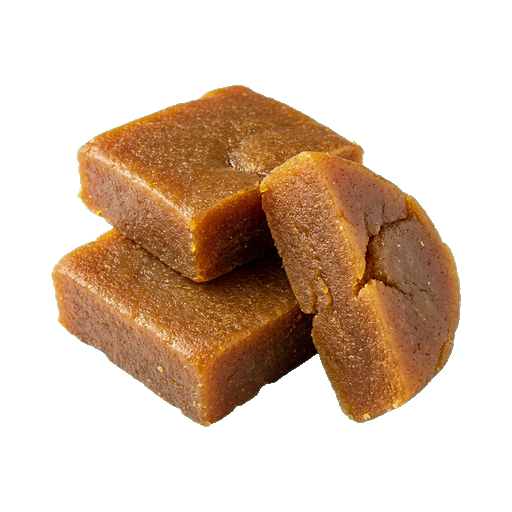
Dense and aromatic quince paste features a characteristic golden-brown color and rich fruity flavor with a subtle tartness. Used as a standalone dessert, added to baked goods, served with cheese and tea, and also serves as a base for glazing meat and poultry. When selecting, pay attention to consistency — quality paste should be firm, not sticky, with a uniform structure free of sugar crystallization.
About
Quince marmalade is not just a sweet treat, but a full-fledged ingredient that transforms the taste of a dish. Its dense consistency, rich color, and characteristic slightly tart aroma make it an indispensable kitchen helper. Unlike jam, marmalade holds its shape, doesn't spread, and cuts easily — this opens up countless possibilities for creativity.
Taste and aroma
Quince marmalade has a complex flavor profile. The main note is sweet, but never cloying, with a barely perceptible astringency that comes at the end. The aroma is pronounced, almost floral, with subtle honey and fruity undertones. This versatility allows the marmalade to work both in desserts and savory dishes, adding depth and intrigue to them.
Where to use
- Layer in cakes and pastries — holds shape and prevents dough from soaking
- Glaze for meat and poultry — gives the dish shine and sweet-tart flavor
- Filling for pies and buns — doesn't leak and cuts well
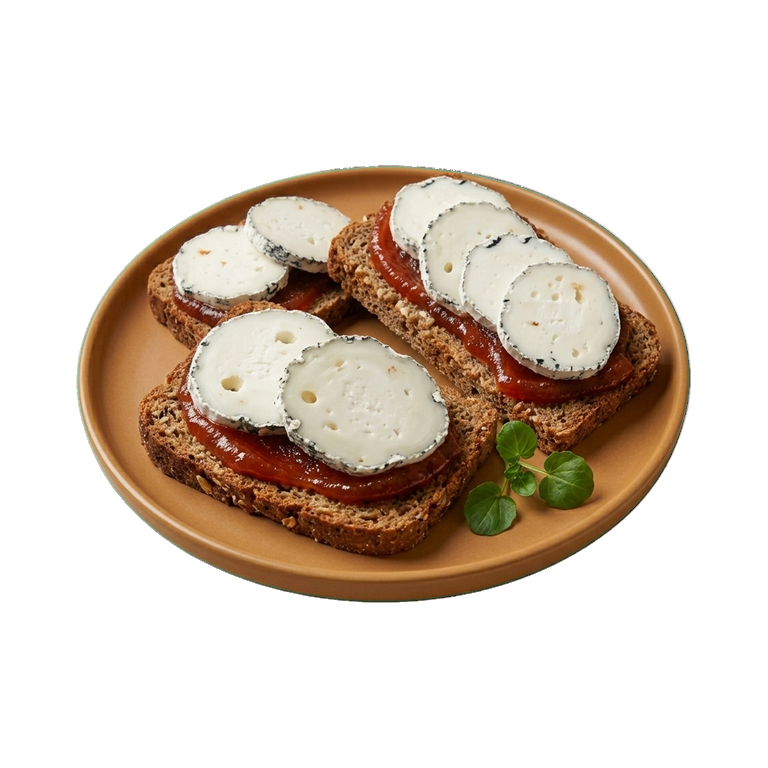
- Sauce for cheese and sliced meat appetizers
- Additive for yogurts and cottage cheese desserts
- Component for homemade candies and marshmallows
Combinations and pairings
Quince marmalade is versatile in combinations. It works well with dark chocolate, enhancing its bitterness. Almonds and hazelnuts emphasize its tartness. Vanilla and cinnamon soften the character of marmalade, making it more rounded. On a cheese board — an excellent companion for hard and blue cheeses. With meat — especially duck, pork, and chicken — it creates a contrast that ennobles the dish.
Selection and Storage
When choosing, pay attention to the consistency — quality marmalade should be elastic, but not rock-hard. The color varies from amber to dark red depending on the quince variety and cooking method. Check the ingredients: good marmalade should contain only quince, sugar, and pectin or agar-agar. Avoid products with excessive additives and thickeners.
Marmalade has a long shelf life due to its high sugar content. Keep an unopened jar in a cool, dark place for up to two years. After opening, transfer it to a glass container, cover with parchment paper or a lid, and store in the refrigerator. If you notice sugar crystallization on the surface, this is normal and does not affect quality. Before use, you can gently warm the marmalade in a water bath if it has hardened.
To make the marmalade easier to cut, lightly wet the knife with water or dip it in hot water. This will prevent sticking and give you a clean cut.
Nutrition
per 100 g
- Calories
- 269 kcal
- Protein
- 0.3 g
- Fat
- 0.1 g
- Carbs
- 67 g
Measures and weight
- 1 tbsp
- 19.5 g
- 1 tsp
- 6.5 g
- 1 cup
- 325 g
Measure calculator
- Weight
- 100 g
- Calories
- 269 kcal