Usuba
Usuba
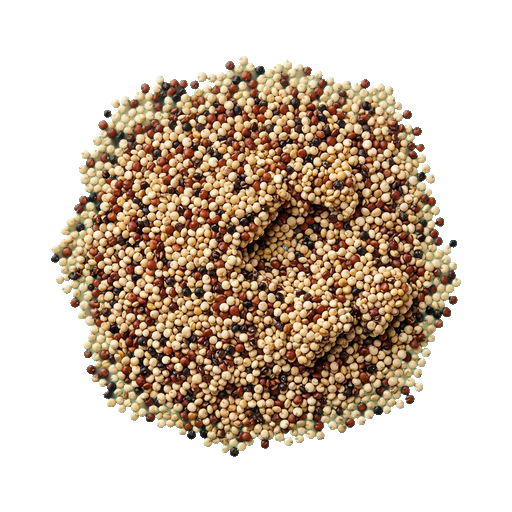
Quinoa
Quinoa is a grain from a South American plant with a nutty flavor and a slight bitterness that becomes fluffy and increases in volume when cooked. The grain contains all the necessary amino acids, which is why it's often used as a base for hearty salads, side dishes, and vegan dishes. When choosing quinoa, pay attention to color uniformity and the absence of foreign particles, and before cooking, it should be rinsed to remove the bitter coating on the grains.
About
What is quinoa and why it's in every healthy kitchen
Quinoa is not a cereal in the classical sense, but seeds of a plant that are prepared like porridge. The grains are small, light-colored (though there are red and black varieties), with a barely noticeable sharp tip. When you cook quinoa, it absorbs water and becomes fluffy, with each grain remaining separate. The taste is neutral, slightly nutty, which makes quinoa a versatile base for any dish — from sweet breakfasts to cold salads.
The main advantage of quinoa is its nutritional value. Unlike most grains, quinoa contains all nine essential amino acids, which is why it is often chosen by vegetarians and vegans as a source of complete protein. It is rich in fiber, magnesium, and iron, while being gluten-free. A single serving of quinoa is satisfying and nutritious — a small amount quickly satisfies hunger.
How to cook and what to pair with
Quinoa is easy to prepare: rinse it under cold water (this removes the bitterness), add two parts liquid to one part quinoa, and cook for 15 minutes. Use vegetable or chicken broth instead of water — the grains will absorb the flavor and become tastier. After cooking, let it sit for a few minutes covered, then fluff with a fork.
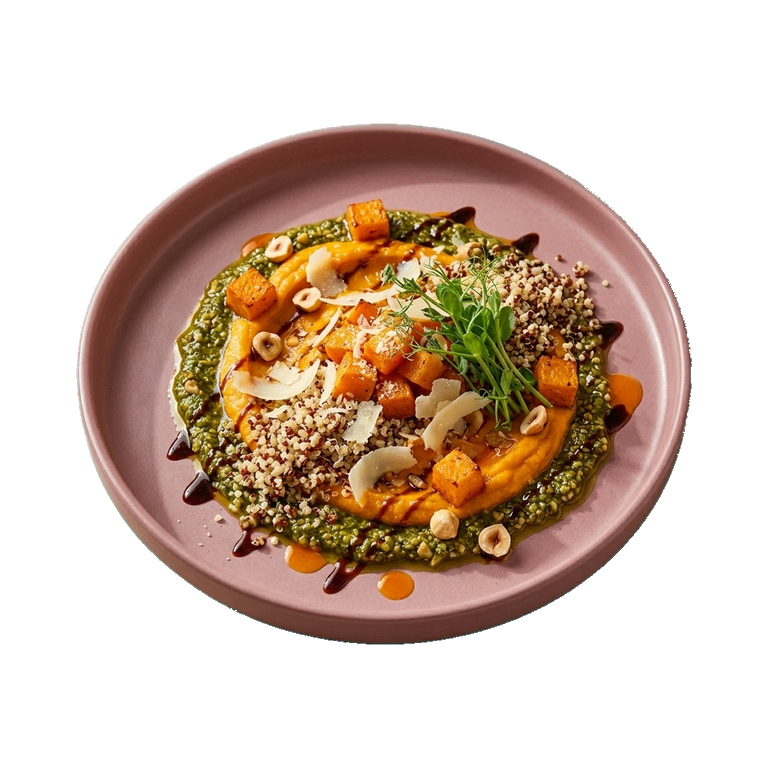
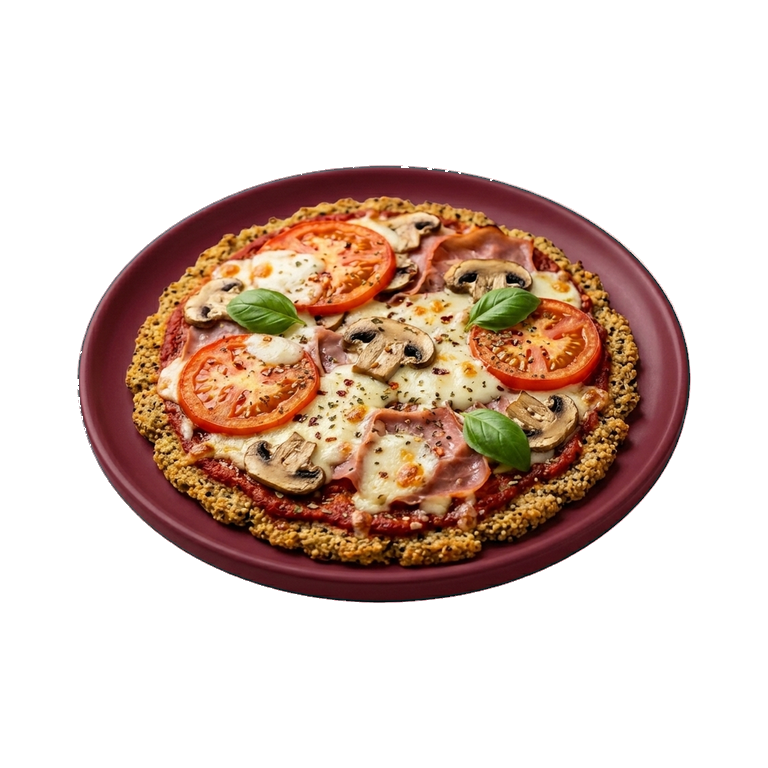
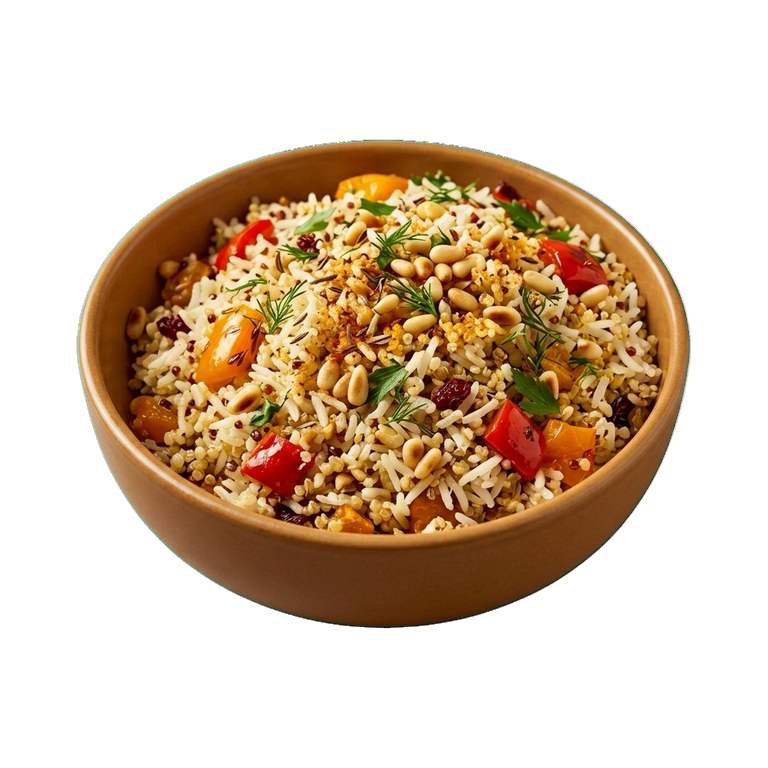
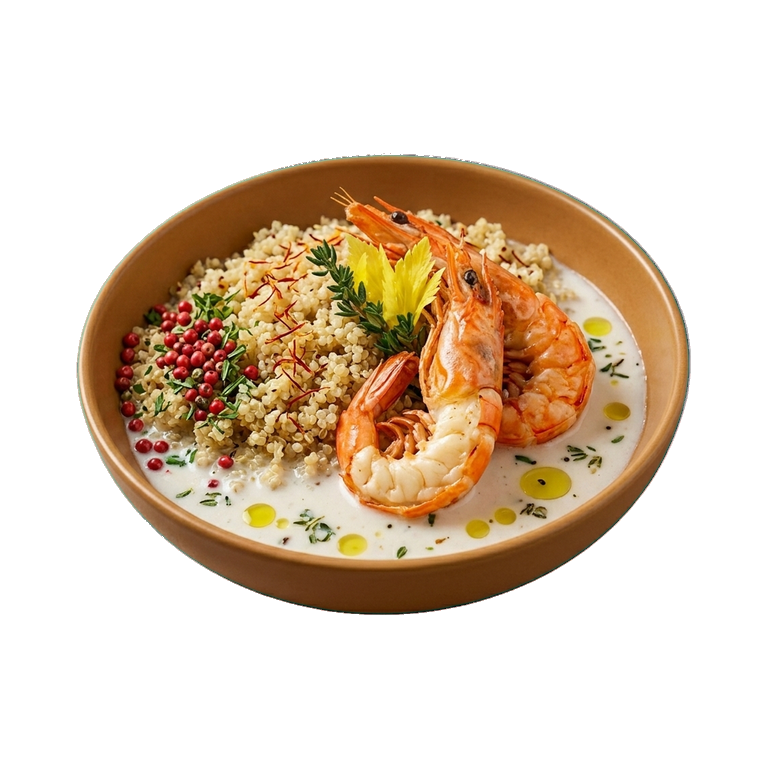
Quinoa is excellent in cold salads with vegetables, herbs, and lemon dressing — the grains hold their shape and don't fall apart. It's added to warm bowls with roasted vegetables and sauce. For breakfast, quinoa is prepared as porridge with milk, berries, and honey. It pairs perfectly with soups, serves as a filling for peppers or tomatoes, and is included in cutlets and patties together with vegetables.
- Vegetables: tomatoes, cucumbers, bell peppers, avocado, carrots
- Proteins: chickpeas, black beans, tofu, chicken, fish
- Herbs and greens: cilantro, parsley, mint, basil
- Dressings: lemon juice, olive oil, sesame oil, soy sauce
- Nuts and seeds: walnuts, almonds, cashews, sunflower seeds
Selection and Storage
When purchasing, pay attention to the color — it should be uniform, without dark spots or impurities. Quinoa is sold in bulk and in packages; packaged quinoa is more convenient as you can see the packaging date. White quinoa is the most delicate and quickest to cook. Red and black quinoa have a more pronounced nutty flavor and hold their shape better, which is good for salads.
Store dry quinoa in an airtight container in a cool, dry place — this way it will keep for up to a year. Keep cooked quinoa in the refrigerator in a closed container for no more than five days. If you are preparing quinoa in advance for salads and bowls, let it cool completely before refrigerating, otherwise it may become damp.
Rinsing quinoa before cooking is not just a tip, but a necessity. The surface of the grains contains saponins, which give a bitter taste. Well-rinsed quinoa will reveal its true mild flavor.
Nutrition
per 100 g
- Calories
- 368 kcal
- Protein
- 14.1 g
- Fat
- 6.1 g
- Carbs
- 64.2 g
Measures and weight
- 1 tbsp
- 10.5 g
- 1 tsp
- 3.5 g
- 1 cup
- 175 g
Measure calculator
- Weight
- 100 g
- Calories
- 368 kcal