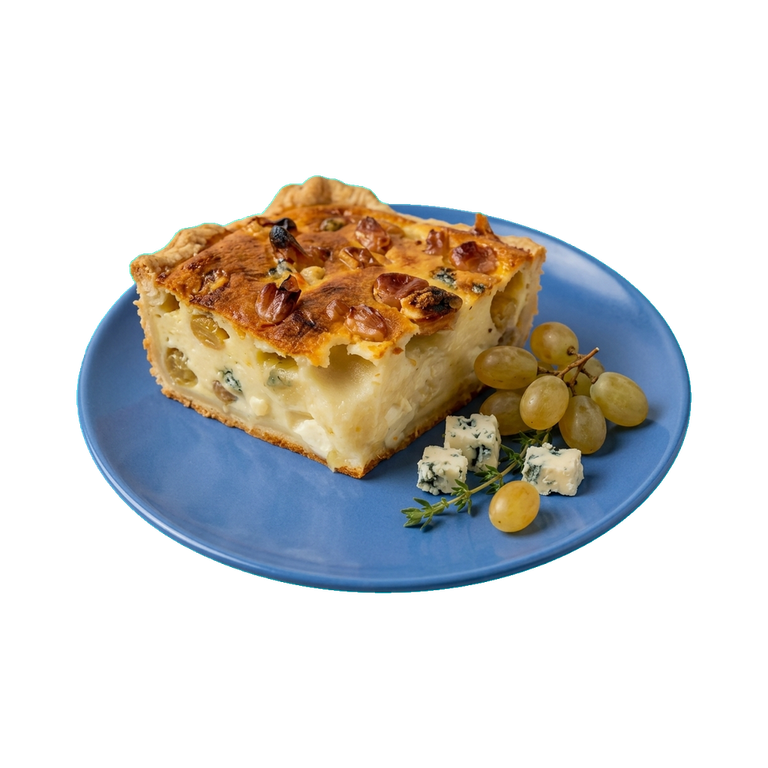
Usuba
Usuba
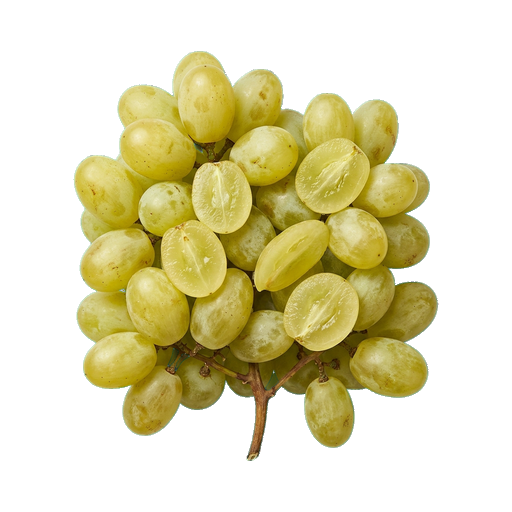
Raisins
Kishmish is a seedless grape variety with thin skin and a sweet taste, ideal for fresh consumption and drying. The berries have a delicate texture, are easily digestible, and contain natural sugars, making them a popular ingredient in desserts, baked goods, and compotes. When selecting, pay attention to the firmness of the fruits and uniform color — they should be free from damage and soft spots.
About
Kishmish is seedless raisins obtained from certain grape varieties. Its main difference is that the grapes are initially formed without seeds or with underdeveloped seeds, so when dried, you won't encounter hard pits. This makes kishmish convenient for adding to baked goods, cereals, and compotes, where pits would be an obstacle.
Taste and Aroma
Raisins have a sweet, concentrated taste of grapes with a subtle tartness. The aroma is delicate, fruity, with no sharp notes. The texture is dense and slightly elastic — the berry does not fall apart when chewed. The sweetness of raisins is higher than regular raisins because they contain less moisture and more sugar per unit of weight.
Where to use
- Baked goods: buns, bread, cookies, cupcakes — no need to remove raisins before serving
- Cereals and breakfasts: add to oatmeal, buckwheat or rice for sweetness
- Compotes and fruit drinks: gives drinks a rich sweet taste
- Salads: pairs well with chicken, bacon, nuts and spicy herbs
- Pilaf and rice: traditional component of oriental dishes
- Dried fruit mixes: for snacks and mix with nuts
Successful Pairings
Raisins work well with cinnamon, cardamom, and ginger — these spices emphasize its sweetness. With nuts (walnuts, almonds, cashews) it creates a harmonious contrast of textures. In salads, it pairs excellently with acidic components like lemon juice or vinegar. Aromatic herbs — cilantro, mint — add freshness to its sweetness.
How to Choose and Store
When purchasing, pay attention to the color: raisins should be evenly colored, without mold or damp spots. The berries should not stick together in a clump — this is a sign of improper storage. Smell them: the aroma should be pleasant, fruity, without any mustiness.
- Store in a tightly closed glass jar or zip-lock bag
- Place: cool, dry, protected from direct sunlight (pantry, cupboard)
- Temperature: room temperature or refrigerator (longer shelf life)
- Shelf life: up to a year with proper storage, up to 18 months in the refrigerator
- Tip: if the raisins have dried out, soak them in warm water for an hour before use
Raisins are a versatile ingredient that will always come in handy in the kitchen. Their convenience lies in the absence of seeds, making them an ideal choice for dishes where smooth texture and clean taste are important. Keep a package in stock for spontaneous baking or a quick breakfast.
Nutrition
per 100 g
- Calories
- 270 kcal
- Protein
- 2.9 g
- Fat
- 0.6 g
- Carbs
- 70 g
Measures and weight
- 1 tbsp
- 9 g
- 1 tsp
- 3 g
- 1 cup
- 150 g
Measure calculator
- Weight
- 100 g
- Calories
- 270 kcal